Frankfurt: Euro area inflation accelerated to 4.0% in October 2026 from 3.8% in September, according to the Eurostat flash estimate published on 4 November 2026. Energy prices drove the increase, and the reading is the highest in more than three years.
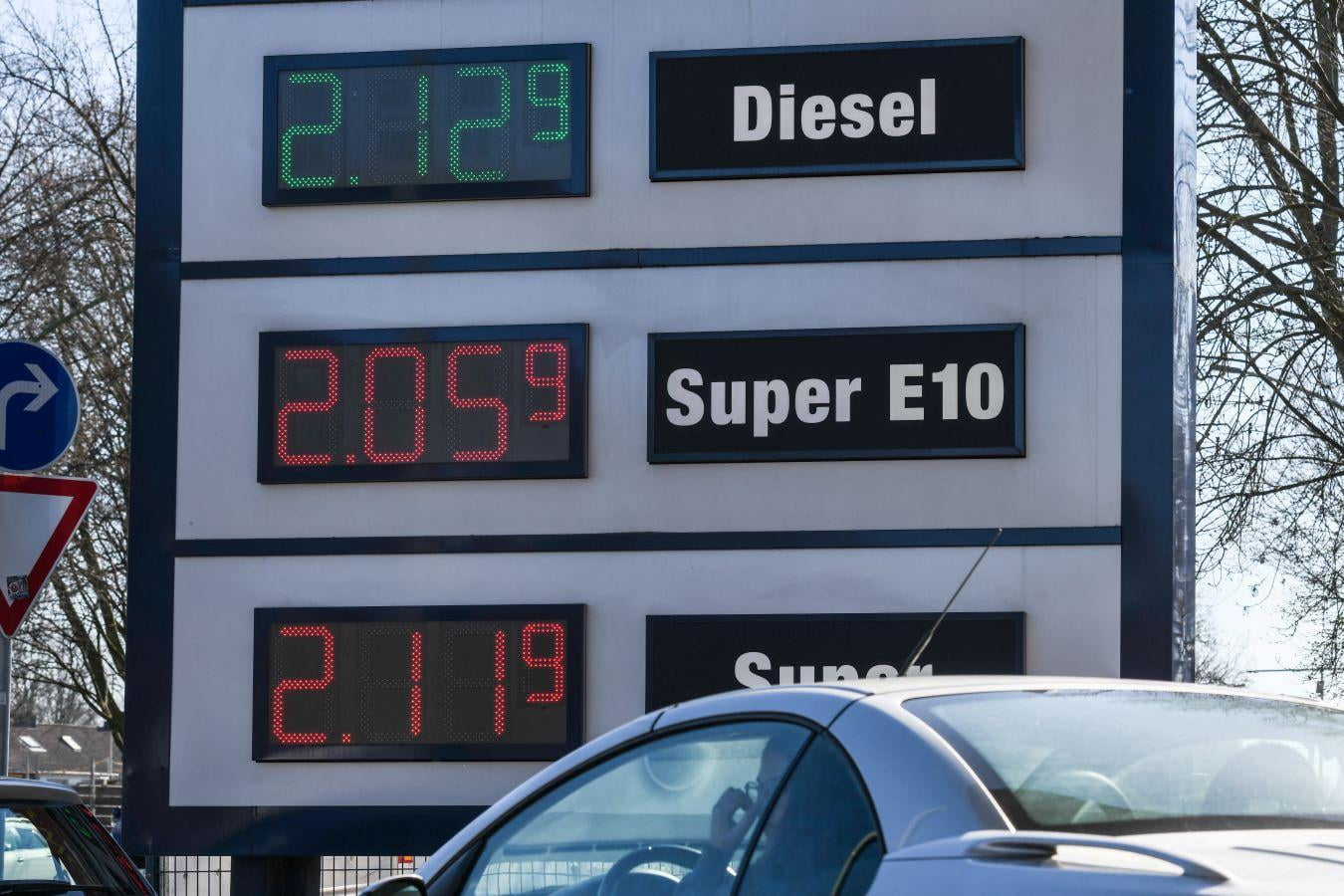
Energy inflation reached an annual rate of 20.8%, up from 18.9% a month earlier, and energy prices rose 1.4% on the month. Euronews calculates that energy, with a basket weight of about 9%, contributed roughly 1.9 percentage points to the headline rate. Services inflation edged up to 3.3% from 3.2%, food, alcohol and tobacco rose to 1.6% from 1.3%, and non-energy industrial goods moved to 1.2% from 1.1%, based on the Eurostat euro indicators release.
The headline euro area inflation figure matched what economists had expected. Prices rose 0.4% month on month, and core inflation, which excludes energy, food, alcohol and tobacco, held steady at 2.5%. The last time euro area inflation ran this high was September 2023, when it stood at 4.3%.
National euro area inflation rates show a wide spread. Lithuania records the highest rate at 6.1%, followed by Bulgaria at 6.0%, Greece and Italy at 5.6%, Cyprus at 5.4% and Belgium at 5.2%. Italy posted the biggest jump, from 4.2% in September, with prices up 1.2% in a single month, while Malta at 2.3%, Germany at 2.8% and Slovakia at 2.9% record the lowest rates.
Germany stands out in the euro area inflation data because a fuel tax cut that took effect on 1 October and runs until the end of the year pulled its rate down from 3.3%, and German prices fell 0.1% on the month. Elsewhere, Euronews reports that inflation accelerated in 13 of the 21 member states, eased in six and held steady in two. France rose to 3.8% from 3.4%, Portugal to 3.9% from 3.6%, and Finland to 3.4% from 2.7%.
The euro area inflation figures raise the pressure on the European Central Bank. The ECB held its deposit facility rate at 2.5% on 29 October after raising it in June and September, and Euronews reports that Christine Lagarde said policymakers discussed another increase but agreed unanimously to wait. Nicola Nobile, chief Italy economist at Oxford Economics, said: “This inflation print adds to the already strong case for an ECB rate hike in December.”
Pantheon Macroeconomics analysts Claus Vistesen and Melanie Debono wrote in a note on Wednesday that “The Bank will need to raise its inflation forecasts further in December, supporting a hike.” They expect a 25 basis point increase, with inflation at 4.1% in November, 4.3% in December and a peak of 4.5% in January. Prediction markets put the chance of a quarter-point hike at the 16 to 17 December meeting at about 84%.
The next Eurostat releases will show whether euro area inflation keeps climbing in November or whether energy prices start to ease. Households in the countries above 5% face the sharpest squeeze, and the ECB must now decide in December whether to answer a four-year-high energy shock with another rate rise.