November 28, 2026
LATEST
EU-Bills Auction of €6 Billion Tests Investor AppetiteTransparency Gaps in AI Act Standards Draw Ombudsman Fire22nd Sanctions Package Cuts 60 Russian Banks From SWIFTArticle 7 Procedure Against Hungary Divides MEPs Before December VoteSolidarity Pool for 2027 Hands Ministers a Fresh Migration BargainPesticide Approval Rules Overhaul Stalls Until 2027 as MEPs SplitVAT Fraud Money Laundering Raids Net 21 Arrests in 12 StatesVariable Mortgage Rates Survive a CJEU Fairness TestAviation Fuel Anti-Dumping Probe Targets China and SingaporeAlbania Growth Plan Funding Rises 15 percent as Kos Eyes 2030 EU MembershipSugar Inward Processing Suspension Stays in Place Until May 2027Jordan Water Security Becomes the Test of Team Europe Delivery in 2026UNIFIL Replacement Force Debate Puts EU Lebanon Mission on the SpotCentral Asia Critical Minerals Lure Europe as Tashkent Seeks RefiningJapan-EU Financial Regulatory Forum Tightens Supervisory TiesThailand EU Partnership Bets on Bangkok as Europe’s Regional HubEU-Indonesia CEPA Signature Starts a Race to Ratify Before 2027Bulgaria Deficit Fine Puts the Euro’s Newest Member in FocusUkraine Loan Holdouts Push the €45bn Rescue to December TalksWinter Aid for Ukraine Grows as Sweden Commits SEK 240 MillionEU-Bills Auction of €6 Billion Tests Investor AppetiteTransparency Gaps in AI Act Standards Draw Ombudsman Fire22nd Sanctions Package Cuts 60 Russian Banks From SWIFTArticle 7 Procedure Against Hungary Divides MEPs Before December VoteSolidarity Pool for 2027 Hands Ministers a Fresh Migration BargainPesticide Approval Rules Overhaul Stalls Until 2027 as MEPs SplitVAT Fraud Money Laundering Raids Net 21 Arrests in 12 StatesVariable Mortgage Rates Survive a CJEU Fairness TestAviation Fuel Anti-Dumping Probe Targets China and SingaporeAlbania Growth Plan Funding Rises 15 percent as Kos Eyes 2030 EU MembershipSugar Inward Processing Suspension Stays in Place Until May 2027Jordan Water Security Becomes the Test of Team Europe Delivery in 2026UNIFIL Replacement Force Debate Puts EU Lebanon Mission on the SpotCentral Asia Critical Minerals Lure Europe as Tashkent Seeks RefiningJapan-EU Financial Regulatory Forum Tightens Supervisory TiesThailand EU Partnership Bets on Bangkok as Europe’s Regional HubEU-Indonesia CEPA Signature Starts a Race to Ratify Before 2027Bulgaria Deficit Fine Puts the Euro’s Newest Member in FocusUkraine Loan Holdouts Push the €45bn Rescue to December TalksWinter Aid for Ukraine Grows as Sweden Commits SEK 240 Million

UNIFIL Replacement Force Debate Puts EU Lebanon Mission on the Spot

Baabda: The debate over a UNIFIL replacement force reached the Lebanese presidential palace on 27 November, when President Joseph Aoun told German Minister of State Jens Plötner that United Nations peacekeepers should keep operating while they withdraw. Aoun argued that any successor deployment ought to work under Security Council Resolution 1701, which he said could be amended if necessary. His intervention lands barely five weeks before the UNIFIL mandate expires on 31 December 2026.

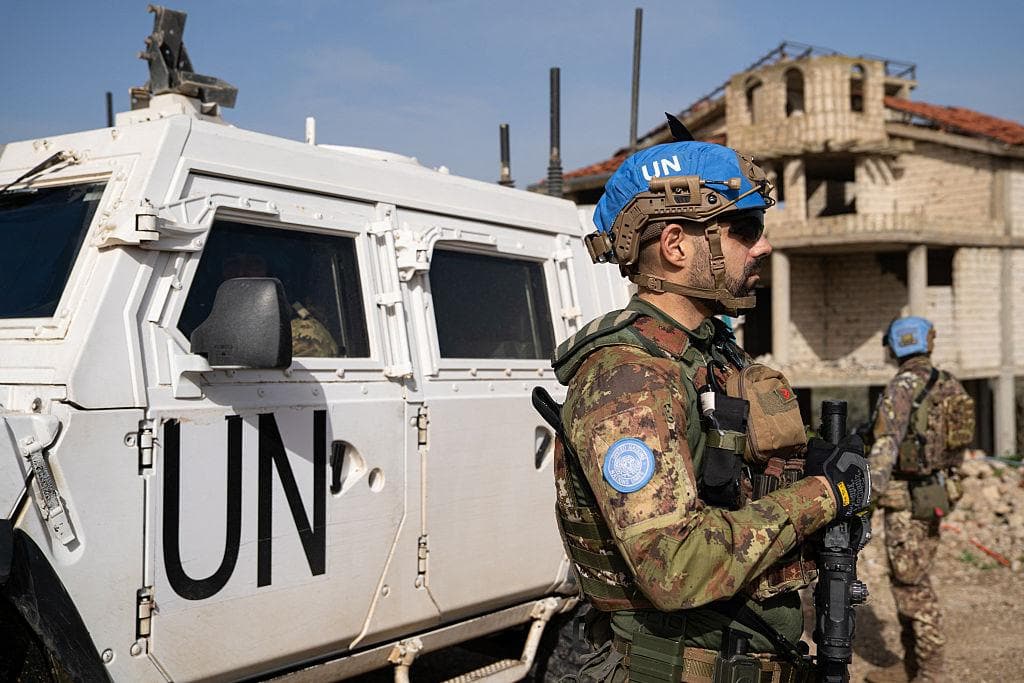
The timetable leaves little room. Resolution 2790, adopted unanimously in August 2025, ends the mandate at the close of this year and sets out a drawdown through 2027. Lebanese officials expect the withdrawal to begin in January and finish within roughly twelve months, long before any UNIFIL replacement force could realistically assemble. As of late September, the mission still counted about 7,565 personnel from 46 countries, with Italy, France and Spain among its largest contributors alongside Indonesia and India.

Europe has already answered part of the question, though not the part Beirut most wants answered. In October, the Council moved to establish a new Common Security and Defence Policy mission to train and advise the Lebanese Armed Forces and the Internal Security Forces, with an initial three-year mandate. High Representative Kaja Kallas told reporters in Beirut on 8 October that the mission would not replace UNIFIL. Reported planning figures point to only around 100 military personnel, drawn mostly from France, Italy and Spain.

That gap explains why talk of a UNIFIL replacement force keeps returning. A training mission can strengthen the army that Lebanon has promised to deploy south of the Litani river, but it does not patrol, monitor a ceasefire or escort convoys. Prime Minister Nawaf Salam has said that France is preparing a Security Council text that would let UNIFIL continue mine clearance, escorts and monitoring during its exit. Washington has opposed extending UNIFIL, although US officials have since signalled openness to studying the Lebanese proposal.

For the European Union, every option carries real costs. A European-led UNIFIL replacement force in the south would need a legal basis, Lebanese consent, credible rules of engagement and at least tacit acceptance from Israel, which has criticised the peacekeepers’ record and whose formal talks with Beirut remain suspended. Member states that already supply blue helmets would face the same exposure under a different flag, without the political cover of a UN mandate. Several capitals also see their defence budgets stretched by commitments on the eastern flank.

Yet the risk of a vacuum looks larger. Southern Lebanon remains the most sensitive front in the Eastern Mediterranean, and a sudden security void in 2027 would test the Lebanese army just as it tries to assert a state monopoly on weapons. The EU has spent years funding Lebanese institutions, and its credibility now depends on whether that investment survives the transition. Brussels therefore has a clear interest in sequencing the arrival of any UNIFIL replacement force, which means keeping UNIFIL functional for as long as possible and building the training mission quickly.

Sequencing alone will not settle the matter, because someone must still fill the ground role that blue helmets leave behind. A bridging arrangement under an amended Resolution 1701 could give a smaller UNIFIL replacement force legitimacy without forcing Europe to carry the whole burden. Arab partners, which Lebanon is also consulting, could share that load and soften Israeli objections.

The coming weeks will show whether Europe treats a UNIFIL replacement force as its own responsibility or as somebody else’s problem. France’s diplomacy in New York, Germany’s engagement in Baabda and the Council’s work on the new CSDP mission all point towards a more active European role. The decisive test is whether member states can agree a mandate before the UN flag starts coming down in January.