November 28, 2026
LATEST
EU-Bills Auction of €6 Billion Tests Investor AppetiteTransparency Gaps in AI Act Standards Draw Ombudsman Fire22nd Sanctions Package Cuts 60 Russian Banks From SWIFTArticle 7 Procedure Against Hungary Divides MEPs Before December VoteSolidarity Pool for 2027 Hands Ministers a Fresh Migration BargainPesticide Approval Rules Overhaul Stalls Until 2027 as MEPs SplitVAT Fraud Money Laundering Raids Net 21 Arrests in 12 StatesVariable Mortgage Rates Survive a CJEU Fairness TestAviation Fuel Anti-Dumping Probe Targets China and SingaporeAlbania Growth Plan Funding Rises 15 percent as Kos Eyes 2030 EU MembershipSugar Inward Processing Suspension Stays in Place Until May 2027Jordan Water Security Becomes the Test of Team Europe Delivery in 2026UNIFIL Replacement Force Debate Puts EU Lebanon Mission on the SpotCentral Asia Critical Minerals Lure Europe as Tashkent Seeks RefiningJapan-EU Financial Regulatory Forum Tightens Supervisory TiesThailand EU Partnership Bets on Bangkok as Europe’s Regional HubEU-Indonesia CEPA Signature Starts a Race to Ratify Before 2027Bulgaria Deficit Fine Puts the Euro’s Newest Member in FocusUkraine Loan Holdouts Push the €45bn Rescue to December TalksWinter Aid for Ukraine Grows as Sweden Commits SEK 240 MillionEU-Bills Auction of €6 Billion Tests Investor AppetiteTransparency Gaps in AI Act Standards Draw Ombudsman Fire22nd Sanctions Package Cuts 60 Russian Banks From SWIFTArticle 7 Procedure Against Hungary Divides MEPs Before December VoteSolidarity Pool for 2027 Hands Ministers a Fresh Migration BargainPesticide Approval Rules Overhaul Stalls Until 2027 as MEPs SplitVAT Fraud Money Laundering Raids Net 21 Arrests in 12 StatesVariable Mortgage Rates Survive a CJEU Fairness TestAviation Fuel Anti-Dumping Probe Targets China and SingaporeAlbania Growth Plan Funding Rises 15 percent as Kos Eyes 2030 EU MembershipSugar Inward Processing Suspension Stays in Place Until May 2027Jordan Water Security Becomes the Test of Team Europe Delivery in 2026UNIFIL Replacement Force Debate Puts EU Lebanon Mission on the SpotCentral Asia Critical Minerals Lure Europe as Tashkent Seeks RefiningJapan-EU Financial Regulatory Forum Tightens Supervisory TiesThailand EU Partnership Bets on Bangkok as Europe’s Regional HubEU-Indonesia CEPA Signature Starts a Race to Ratify Before 2027Bulgaria Deficit Fine Puts the Euro’s Newest Member in FocusUkraine Loan Holdouts Push the €45bn Rescue to December TalksWinter Aid for Ukraine Grows as Sweden Commits SEK 240 Million

22nd Sanctions Package Cuts 60 Russian Banks From SWIFT

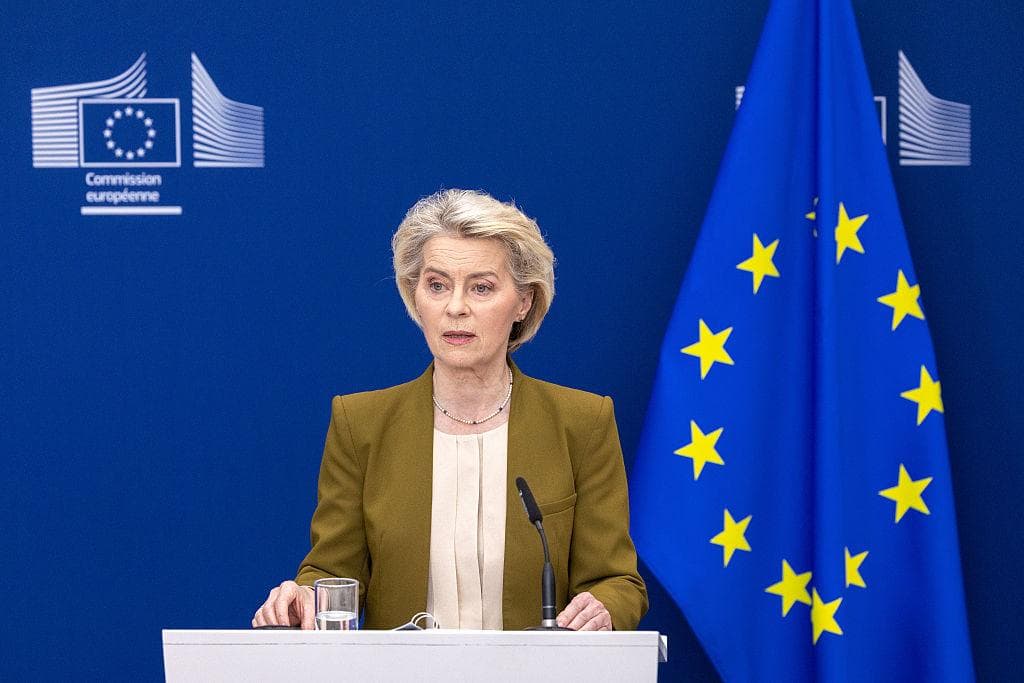
The European Commission’s 22nd sanctions package against Russia, presented by Ursula von der Leyen on Monday 23 November 2026, would cut roughly 60 more Russian banks off the SWIFT messaging system and ban all transactions with them. The proposal also reaches into crypto networks, refinery services and Russian sport, and it now needs the unanimous backing of all 27 member states.

The timing matters. Russia’s full-scale war on Ukraine is approaching its fifth anniversary, and EU capitals are debating how far diplomacy can move without fresh economic pressure. Foreign policy chief Kaja Kallas framed the 22nd sanctions package in exactly those terms, arguing that talks only work when the aggressor feels the cost.

Finance sits at the core of the 22nd sanctions package. The transaction ban on about 60 banks builds on the 21st package adopted in July, which removed 33 institutions from SWIFT and blocked dealings with 14 crypto-related platforms. This time the Commission targets crypto and payment networks inside Russia and in third countries, and von der Leyen announced a dedicated Crypto Sanctions Task Force to chase evasion through digital assets.

Energy measures in the 22nd sanctions package break new ground. European companies could no longer help build, operate or repair Russian energy infrastructure, refineries in particular, and the ban would cover electricity services for the first time. The Commission also wants to list more than 70 additional shadow fleet tankers and to bar every tanker insured in Russia from the trade it regulates.

One proposed change runs the other way. Brussels plans to lift sanctions on the Kulevi refinery in Georgia, which the EU listed in July, because the plant now buys Libyan rather than Russian crude. That detail shows how the sanctions machinery tries to reward changed behaviour as well as punish evasion.

Security concerns shape the human side of the 22nd sanctions package. The Commission would activate an entry ban on Russian former combatants, tighten visa checks on anyone who fought in Ukraine since February 2022 and stop recognising non-biometric Russian passports. Von der Leyen said these veterans pose a security risk and that the EU should keep them out.

Sport and corporate governance also enter the frame. Russian teams could not compete under their flag at events in the EU, official Russian symbols would disappear from those venues and Russian sponsors would face limits on funding European sports and cultural bodies. EU citizens would have to leave the governing bodies of companies based in Russia.

Kallas pointed to more than 100 new designations linked to the Russian and Belarusian military-industrial complex, while tighter export controls would hit more than 20 entities. Ukrainian Prime Minister Serhii Koretskyi welcomed the package, and Kyiv’s sanctions envoy Vladyslav Vlasiuk singled out the energy restrictions for praise.

The harder test for the 22nd sanctions package lies in the Council. EU ambassadors began their first discussion on 25 November, just before leaders met for a budget summit that ended without agreement. Past packages have stalled for weeks when one capital sought concessions, and the banking and energy clauses touch interests in several member states.

Economic security officials will watch three questions closely. They want to know whether the SWIFT cut-offs squeeze Russia’s trade finance or simply push more payments through intermediaries in Central Asia and the Gulf. They also need to see whether the new crypto task force can match the speed of evasion networks, and whether the services ban on refineries survives negotiation intact.

For Europe, the 22nd sanctions package tests whether the bloc can keep raising costs on Moscow while its own budget talks and peace diplomacy remain unsettled. Approval before the December European Council would signal unity; a long delay would hand the Kremlin a reprieve it has learned to exploit.