November 29, 2026
LATEST
Integrated Resolve Exercise Ends With Lessons on Hybrid RiskEuropean Rail Platform Wins Operators a Voice on Train PathsAcetamiprid Residue Limits Face a Veto Bid From Five Cross-Party MEPsOperation Irini Rolls On to March 2027 as Libya Patrols Hail 407 ShipsSRB 2027 Work Programme Expands Bank Crisis Dry Runs and SimulationsEU-Western Balkans Summit Declaration Stalls on a Bosnian ObjectionEU-Azerbaijan Relations Gain Weight as Estonia Opens a Baku EmbassyEU-Bills Auction of €6 Billion Tests Investor AppetiteTransparency Gaps in AI Act Standards Draw Ombudsman Fire22nd Sanctions Package Cuts 60 Russian Banks From SWIFTArticle 7 Procedure Against Hungary Divides MEPs Before December VoteSolidarity Pool for 2027 Hands Ministers a Fresh Migration BargainPesticide Approval Rules Overhaul Stalls Until 2027 as MEPs SplitVAT Fraud Money Laundering Raids Net 21 Arrests in 12 StatesVariable Mortgage Rates Survive a CJEU Fairness TestAviation Fuel Anti-Dumping Probe Targets China and SingaporeAlbania Growth Plan Funding Rises 15 percent as Kos Eyes 2030 EU MembershipSugar Inward Processing Suspension Stays in Place Until May 2027Jordan Water Security Becomes the Test of Team Europe Delivery in 2026UNIFIL Replacement Force Debate Puts EU Lebanon Mission on the SpotIntegrated Resolve Exercise Ends With Lessons on Hybrid RiskEuropean Rail Platform Wins Operators a Voice on Train PathsAcetamiprid Residue Limits Face a Veto Bid From Five Cross-Party MEPsOperation Irini Rolls On to March 2027 as Libya Patrols Hail 407 ShipsSRB 2027 Work Programme Expands Bank Crisis Dry Runs and SimulationsEU-Western Balkans Summit Declaration Stalls on a Bosnian ObjectionEU-Azerbaijan Relations Gain Weight as Estonia Opens a Baku EmbassyEU-Bills Auction of €6 Billion Tests Investor AppetiteTransparency Gaps in AI Act Standards Draw Ombudsman Fire22nd Sanctions Package Cuts 60 Russian Banks From SWIFTArticle 7 Procedure Against Hungary Divides MEPs Before December VoteSolidarity Pool for 2027 Hands Ministers a Fresh Migration BargainPesticide Approval Rules Overhaul Stalls Until 2027 as MEPs SplitVAT Fraud Money Laundering Raids Net 21 Arrests in 12 StatesVariable Mortgage Rates Survive a CJEU Fairness TestAviation Fuel Anti-Dumping Probe Targets China and SingaporeAlbania Growth Plan Funding Rises 15 percent as Kos Eyes 2030 EU MembershipSugar Inward Processing Suspension Stays in Place Until May 2027Jordan Water Security Becomes the Test of Team Europe Delivery in 2026UNIFIL Replacement Force Debate Puts EU Lebanon Mission on the Spot

AgoraEU Programme Gets a €10.72 Billion Bid From MEPs for Culture

Lyon: The AgoraEU programme, the EU’s planned single fund for culture, media and democratic values from 2028 to 2034, should receive €10.72 billion, the European Parliament decided on Wednesday 25 November 2026. MEPs backed their negotiating position in Strasbourg by 448 votes to 206, with 10 abstentions.

That figure sits about 25% above the Commission’s proposal of €8.58 billion. In 2025 prices, Parliament’s envelope equals €9.50 billion, against €7.61 billion in the Commission’s draft. The extra money reflects a push by the Culture and Education Committee and the Civil Liberties Committee to protect sectors that fear losing ground in a tighter long-term budget.

The two committees had already set the tone for the AgoraEU programme. Members voted 64 to 17, with 2 abstentions, on the draft position, and 65 to 19 to open talks with the Council. French Socialist Emma Rafowicz and Swedish Green Alice Kuhnke led the file as co-rapporteurs.

The Commission designed the AgoraEU programme to merge Creative Europe with the Citizens, Equality, Rights and Values programme known as CERV. Parliament accepts the merger but insists on fixed shares for each strand, so that no area can quietly lose money during the seven-year cycle.

Under the committee text, the Creative Europe culture strand would receive 21% of the total, while MEDIA, which supports audiovisual works and video games, would get 25%. News and journalism would take 13.5%, a strand that could give independent media their first dedicated EU budget line. The democracy, citizens, equality, rights and values strand would receive 29.5%, and the Daphne programme against violence would get 11%.

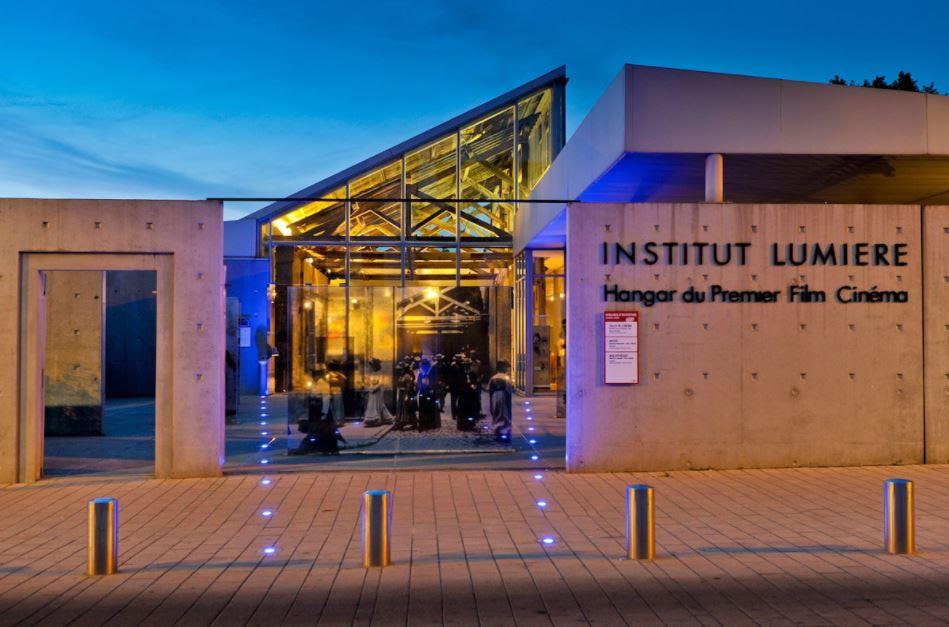
Cultural organisations welcomed the earmarks in the AgoraEU programme. Film producers in Lyon, home to the Institut Lumière and a dense cluster of animation studios, rely heavily on MEDIA support for development and distribution across borders. Publishers and newsrooms see the journalism strand as a lifeline at a time when advertising revenue keeps falling.

Governments take a different view of the structure. The Council adopted a partial general approach on 12 May 2026 that keeps the Commission’s three strands of culture, MEDIA and CERV, and it left every budget figure in brackets. Finance ministries want to settle the overall size of the 2028-2034 framework before they discuss individual programmes.

That sequencing creates the real obstacle. Talks with member states on the AgoraEU programme can begin only once governments agree on the multiannual financial framework, and EU leaders failed to reach that deal at their special summit on 26 and 27 November. Council President António Costa’s compromise also points to cuts rather than increases across most headings.

Culture Action Europe and other networks plan to lobby national capitals before the next summit. Their message is simple: a merged fund with no guaranteed shares would let culture, journalism and rights work compete against each other for shrinking money.

The coming months will show whether Parliament’s €10.72 billion bid survives contact with the Council. For artists, newsrooms and civil society groups, the shape of the AgoraEU programme will decide how much EU support they can count on until 2034.