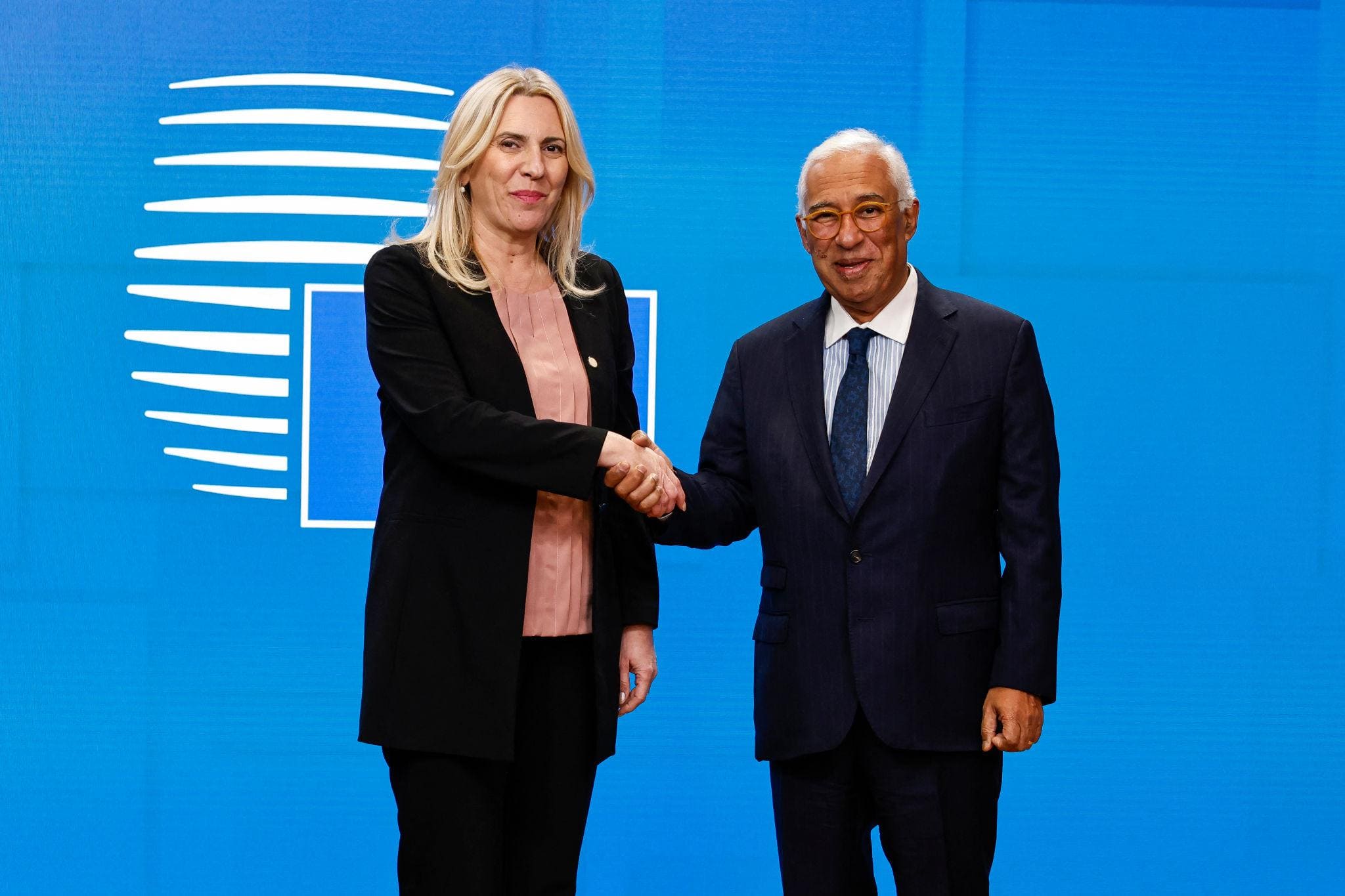
Montreal: The Canada-EU alliance launched at the 21st summit between the two partners is now entering its hardest phase, as officials translate broad promises into concrete sector road maps. Prime Minister Mark Carney hosted European Council President António Costa and Commission President Ursula von der Leyen in Montreal on 29 and 30 October 2026, and the joint statement they issued created what both sides call the Alliance for the Future.
The central idea of the Canada-EU alliance is ambitious. Leaders committed to define an “ever-closer association” between Canada and the European Union by the 2027 summit, a relationship that would go beyond a trade deal while stopping short of membership. Carney told reporters that formal negotiations would take about another year and that the label mattered less than the substance.
The label still caused a stir. Von der Leyen had floated the idea of associate membership for Canada in September, and the phrase was removed from the formal text after Chancellor Friedrich Merz and other leaders raised objections. President Donald Trump called the idea laughable and warned of hostile trade consequences, which shows how closely Washington watches any move by Ottawa towards Europe.
The summit nevertheless gave the Canada-EU alliance a solid package of deliverables. The two sides signed a Digital Trade Agreement and a new Competition Agreement, and Canada will take part in the EuroHPC Joint Undertaking for supercomputing. The European Investment Bank concluded a critical minerals agreement, and leaders launched a subsea cable initiative and a feasibility study on Canadian liquefied natural gas exports to Europe.
Security and mobility also feature. Frontex and the Canada Border Services Agency agreed a working arrangement, and a procurement path opens for Canadian firefighting aircraft, a practical gain for southern European states facing longer wildfire seasons. These items build on the Security and Defence Partnership signed in June 2025 and on Canada’s association to Horizon Europe.
The Canada-EU alliance rests on a mature foundation. The Comprehensive Economic and Trade Agreement has applied provisionally since 2017, and both partners share positions on Ukraine, climate policy and multilateral trade rules. What changes now is the political intent, because each side is treating the other as a hedge against an unpredictable United States.
Several tests lie ahead for the Canada-EU alliance. Negotiators must open talks on Canadian access to Erasmus+ and to Galileo services, and the LNG study must show whether new Atlantic energy routes make economic sense. Several member states have still not ratified CETA, a reminder that political enthusiasm in Brussels does not always survive national parliaments.
The coming year will reveal whether this partnership becomes a durable model for associating like-minded democracies with the EU. If the road maps deliver real access to programmes, markets and security cooperation by the 2027 summit, the Canada-EU alliance could reshape how Europe organises its closest partnerships beyond enlargement.