Antwerp: The melt and pour requirement written into the EU’s new steel regulation takes effect on 1 October 2026, and from that date every importer bringing covered steel products into the customs union must show customs officers where the metal was first melted and cast. The rule, part of Regulation (EU) 2026/1384 on steel overcapacity, shifts the question of origin from where a coil was last rolled to where its liquid steel was first poured.
The European Parliament and the Council adopted the regulation on 17 June 2026, and it entered into force on 25 June to replace the steel safeguard that had shielded European mills since 2019. It caps duty-free imports across 26 product categories at a combined tariff-rate quota of 18,345,922 tonnes a year, roughly 47 per cent less on average than the old safeguard allowed. Volumes above the quota now pay a 50 per cent duty, double the previous 25 per cent rate.
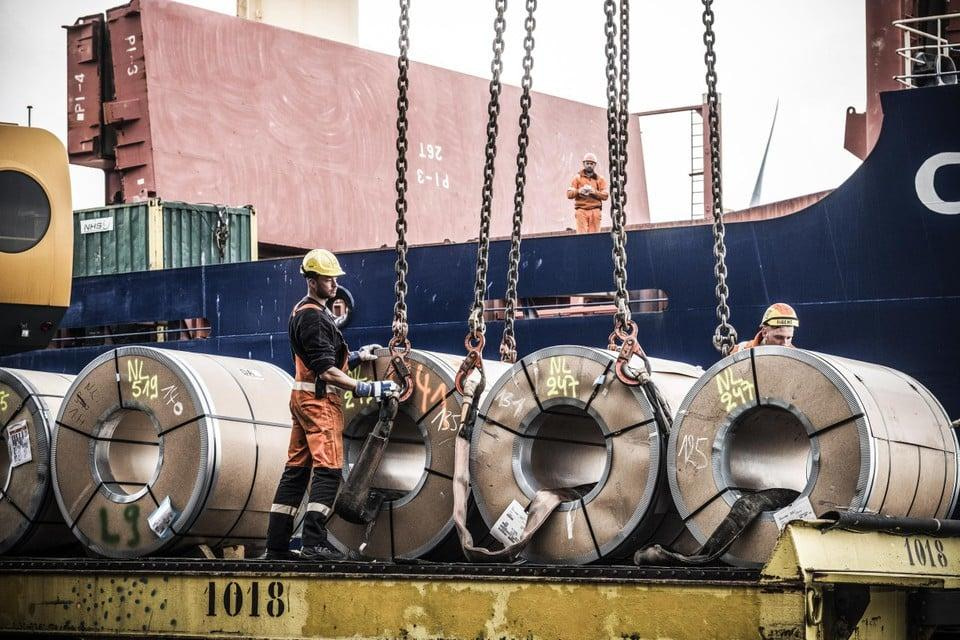
From October, declarants must lodge verifiable evidence identifying the country where the raw steel or iron was produced in liquid form in a furnace and then cast into its first solid state. The Commission set out the accepted forms of evidence in implementing rules published at the end of August, meeting the 31 August deadline the co-legislators had fixed. Customs authorities in ports such as Antwerp, Rotterdam and Genoa will check those declarations at the moment of import, alongside the usual tariff classification and non-preferential origin.
Brussels designed the melt and pour requirement to close a familiar loophole. Steel melted in one country and then rolled, coated or cut in another can currently acquire the origin of the processing country, which lets producers route surplus metal through third markets with more generous quota shares. The EU expects global excess capacity to climb from 602 million tonnes in 2024 to 721 million tonnes by 2027, and European producers have long argued that transshipment hides where much of that surplus actually comes from.
For now, the data serve transparency rather than quota allocation. Melt and pour information will start to feed into country allocations only from 1 October 2027, and by 30 June 2028 the Commission must assess whether to make the melt and pour country the formal basis for access to the tariff quotas. Any such change would require a new legislative proposal, which gives trading partners and importers a window to argue their case.
The practical burden lands first on importers, distributors and customs brokers. Many downstream buyers purchase from service centres and traders who do not hold mill certificates for every batch, and they now need suppliers to pass those documents down the chain. Trade lawyers expect early friction at the border, particularly for mixed consignments and for products that pass through several processing stages before reaching the EU.
The regulation also looks beyond the current product list. By 30 June 2027, the Commission must decide whether downstream goods made largely of steel should come under the scheme, a demand pressed by distributors who fear that quota limits on flat and long products will simply push imports into finished components. That review, together with the melt and pour data gathered over the next twelve months, will shape how tightly the customs union can police the origin of steel entering the single market.
For customs administrations, the new evidence rule tests whether they can verify supply-chain claims at scale without slowing trade. For European mills, it marks the first step toward a quota system that tracks where steel is really made. And for exporters in Turkey, India, South Korea and elsewhere, the melt and pour requirement turns furnace records into a document that now travels with every shipment.