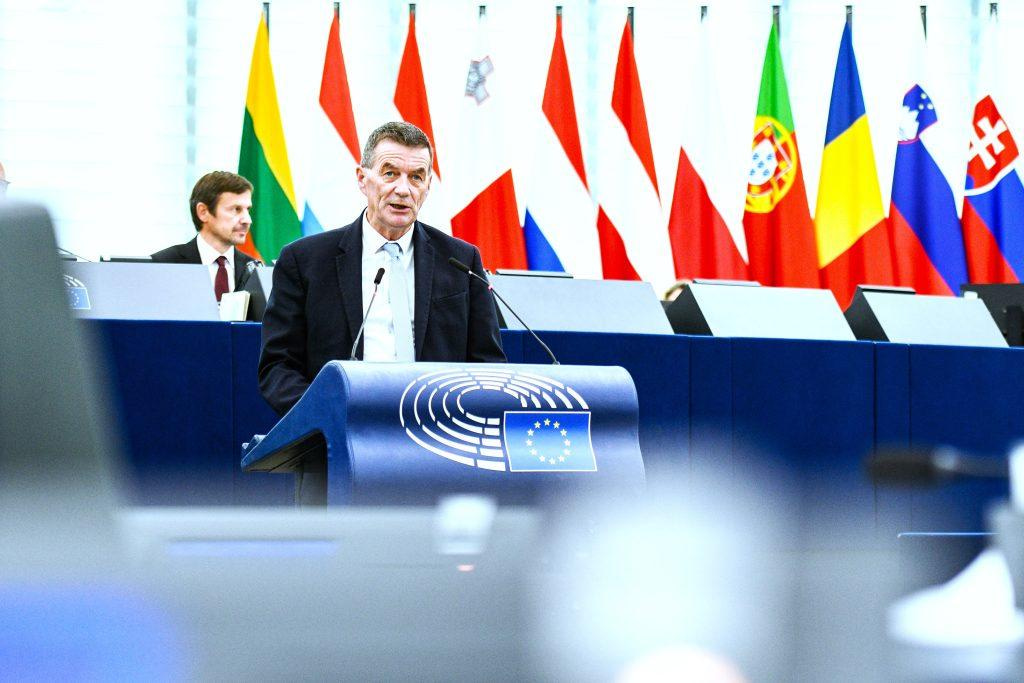
The EU spending error rate rose to 3.8% in 2025, according to the European Court of Auditors’ annual report published on 8 October 2026. That is up from 3.6% in 2024 and well above the 2% materiality threshold that auditors use. It earned the EU budget an adverse opinion on spending for the seventh year running.
The auditors examined a population of €130.8 billion in spending. Cohesion funding carried the highest EU spending error rate at 6.6%, up from 5.7% a year earlier. Agriculture and environment spending rose from 2.6% to 3.9%, and the two areas together make up almost two-thirds of the audited total.
Common mistakes included ineligible costs, projects, activities or beneficiaries, breaches of public procurement and grant award rules, and missing supporting documents. ECA President Tony Murphy called the errors significant and widespread. Errors do not automatically mean fraud, because they measure whether money followed EU rules.
The EU spending error rate has now sat above the 2% threshold for years. The accounts themselves received a clean opinion on reliability, and revenue was free of material error. The Commission highlighted that clean bill of health for the nineteenth consecutive year. It also argues that the final error rate for cost-based programmes falls below 2% once controls and corrections are counted.
The Recovery and Resilience Facility drew a qualified opinion. Auditors found irregularities in €45.4 billion of spending under the facility. Of €359.9 billion committed, €237.5 billion had been paid by the end of 2025, which leaves more than €122 billion for the final year, and only three of 27 member states had drawn at least 80% of their allocations.
Auditors also found payment requests where targets changed without clear explanation, and payments to nine member states that involved unmet milestones, double funding or eligibility-period problems. Murphy warned that adjusting targets to actual progress lowers ambition and delivers less value for money. The Commission says it has reasonable assurance on milestone fulfilment.
Hungary shows how this plays out in practice. About €10 billion was suspended under the previous government, and access required 27 super-milestones tied to financial interests, the rule of law and anti-corruption. The new government met the 30 September 2026 deadline for final payment requests. The Commission plans preliminary assessments by the end of November and final payment decisions by the end of December.
The EU spending error rate matters most for the 2028-2034 budget talks. Commission proposals would move funding towards a performance model that largely copies the recovery facility, with payments not linked to actual costs. The auditors warn that this reduces the relevance of costs and could give member states a liquidity bonus.
Murphy also cautioned that the EU spending error rate could climb further if agriculture and cohesion funds merge into a single European fund. He said that would raise the risk of errors and weaken accountability. National authorities, he noted, missed errors they should have caught. The ECA wants the co-legislators to apply the lessons of its opinions to the next budget.
The Commission says it will respond through its SUMMA financial system and a review of its anti-fraud architecture before the end of the year. Parliament and the Council now have a hard number to weigh. If the EU spending error rate keeps climbing while the budget shifts to milestone-based payments, the debate over accountability will dominate the 2028-2034 negotiations.