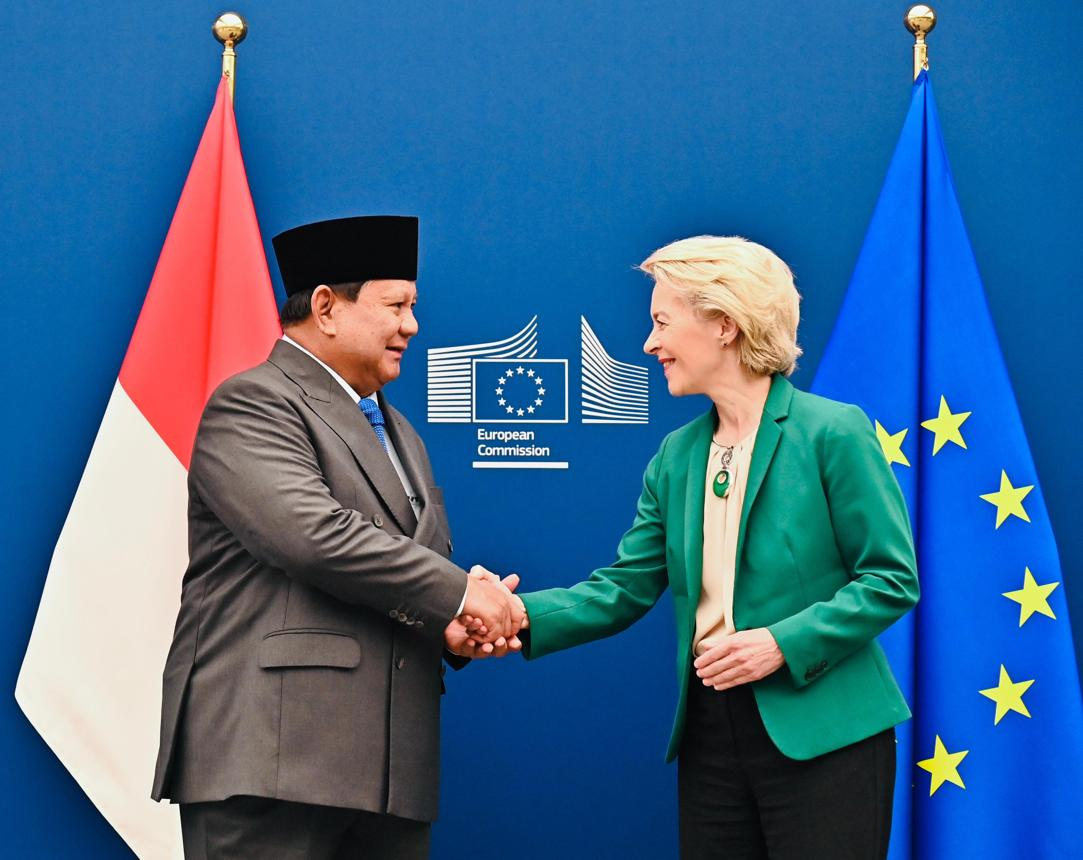
Beijing: The latest EU-China trade talks ended on 9 October with a joint statement that promises more than it delivers, yet it settles one question that matters to European factories, namely whether Chinese rare earth licences keep flowing. Trade Commissioner Maroš Šefčovič and Commerce Minister Wang Wentao held the second round of the Trade and Investment Consultations in the Chinese capital, and both sides called the exchange pragmatic and productive.
In the EU-China trade talks, China pledged to continue fast-track export licences for rare earths and permanent magnets destined for the EU. In return, Brussels will work with national authorities to speed up priority licences for dual-use sectors, and both governments agreed to strengthen their Export Control Dialogue. They also promised advance warning when entities are added to or removed from control lists, which gives European importers something they have lacked, a predictable calendar.
On cars, the statement records an understanding on hybrid vehicle trade conducted in a manner compliant with World Trade Organization rules, but it does not publish the content. The anti-subsidy case on battery electric vehicles continues, and the text recalls procedures for price undertakings, under which exporters can offer minimum prices instead of paying duties. Both sides will also explore cutting or removing tariffs on certain goods, again within WTO rules. Readers should treat these lines as an agenda for further work rather than a settlement.
Farm and health trade also featured in the EU-China trade talks, in smaller but concrete mentions. China will speed up recognition of regionalisation for eligible member states, which matters to exporters facing disease-related bans, and the sides will discuss lifting limits on products from states affected by bluetongue. The EU welcomed Beijing’s plan to import more European medical devices, including a matchmaking event at the ninth China International Import Expo.
The statement also shows what was left unresolved. The Foreign Subsidies Regulation will receive only a technical dialogue, and the Commission insisted that its guidance on EU funds for clean energy projects is country neutral, a response to Chinese complaints about inverters. On intellectual property, the text reports some progress, to be tracked in a dedicated working group. These EU-China trade talks therefore left the hardest trade defence questions where they were.
The EU-China trade talks follow the pattern of a managed relationship. Brussels is trading access to critical inputs against its own restraint on trade defence, while Beijing keeps the licensing tap as leverage. For Šefčovič, who carries both trade and economic security in his portfolio, the rare earth language is the practical gain, because supply shocks have hit European carmakers and defence suppliers before. The cost is that industry must accept dialogue where it wanted binding commitments.
The calendar sets the test. A ministerial video conference is planned for January 2027, and a third ministerial meeting is due in March 2027. Until then, the EU-China trade talks will be judged by licence approval times, the fate of the electric vehicle price undertakings and whether the hybrid understanding is ever published. If those three indicators improve, the October round will look like a useful reset; if not, it will join earlier rounds that produced statements without shifts in trade flows.