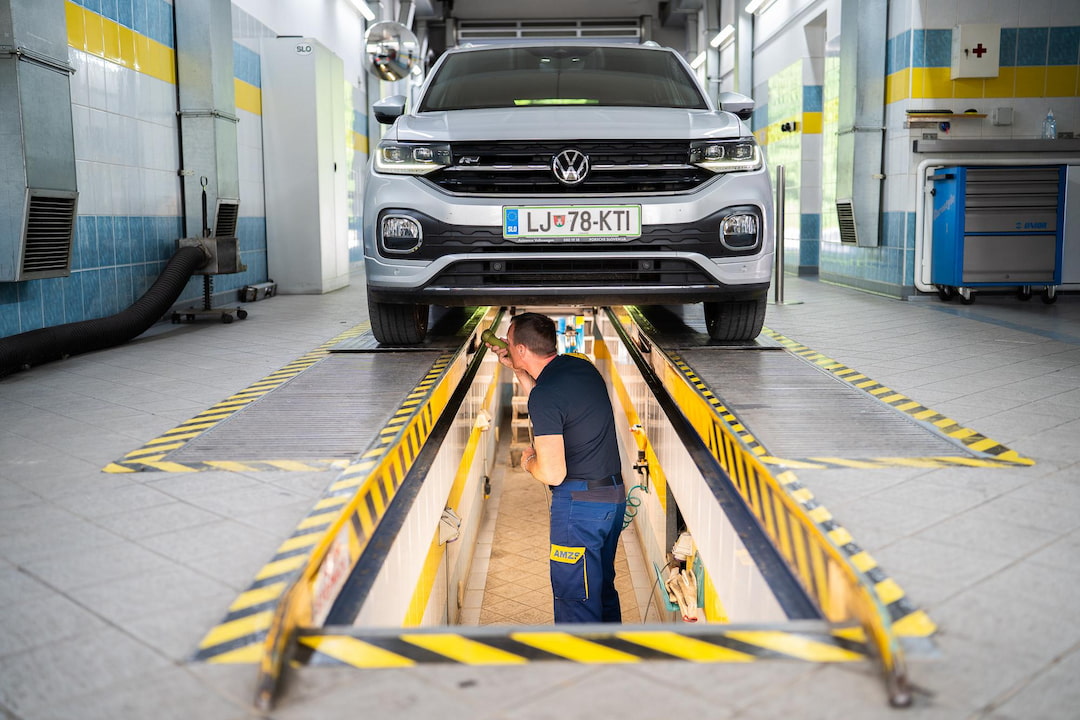
Brussels: Negotiators from the European Parliament, the Council and the Commission met on 20 October 2026 and settled several technical points of the roadworthiness package, but they parked the hardest question, how to record vehicle mileage, for a final trilogue. The Irish presidency of the Council expects that conclusive round on 2 December 2026.
The roadworthiness package consists of two proposals: a directive on periodic roadworthiness tests and a directive on vehicle registration. On 20 October the co-legislators confirmed agreement on the mutual recognition of roadworthiness certificates between member states, on testing obligations for vehicles used in private hire services, on the languages printed on certificates and on reporting duties. They also found a compromise on most of the annex that defines what inspectors test and how, Agence Europe reported.
Odometer readings remain the open issue in the roadworthiness package. Parliament wants mileage recording limited to passenger cars (category M1) and light commercial vehicles (category N1), while the Council has asked for a balanced compromise. Both institutions asked the Commission to draft a compromise text, and negotiators will settle the point on 2 December.
Parliament set out its stance on the roadworthiness package on 21 May 2026, when MEPs voted 369 to 126, with 84 abstentions, to open talks with the Council. Rapporteur Jens Gieseke, a German member of the EPP group, leads the Parliament team. MEPs want repair shops to record mileage and carmakers to send readings from connected vehicles to national databases, with repairs lasting under one hour exempt so that small garages avoid extra paperwork.
Parliament also rejected the Commission idea of moving cars and vans older than ten years from two-yearly to annual inspections. The Council position of December 2025 keeps current inspection intervals as well, so the two institutions already agree on one of the most visible points for drivers. Parliament additionally asks for more choice in where drivers have vehicles inspected.
Emissions checks form another strand of the roadworthiness package. Parliament wants roadside inspections to screen cars, motorcycles, vans, trucks and buses for pollution, and vehicles flagged as potentially high emitting would face a further technical inspection. The Commission estimates that the reform could save about 7,000 lives and prevent about 65,000 serious injuries by 2050, with benefits above EUR 390 billion, according to a European Parliament research briefing.
Technical work continues in the coming weeks, including on Parliament’s proposal to assess structural damage after an accident. For motorists and garages, the practical message is that certificate recognition and private hire testing look settled, while mileage rules remain open. The roadworthiness package will therefore stand or fall on one compromise text that the Commission has yet to publish, and the 2 December trilogue will show whether Parliament and Council can close it before the Irish presidency ends.