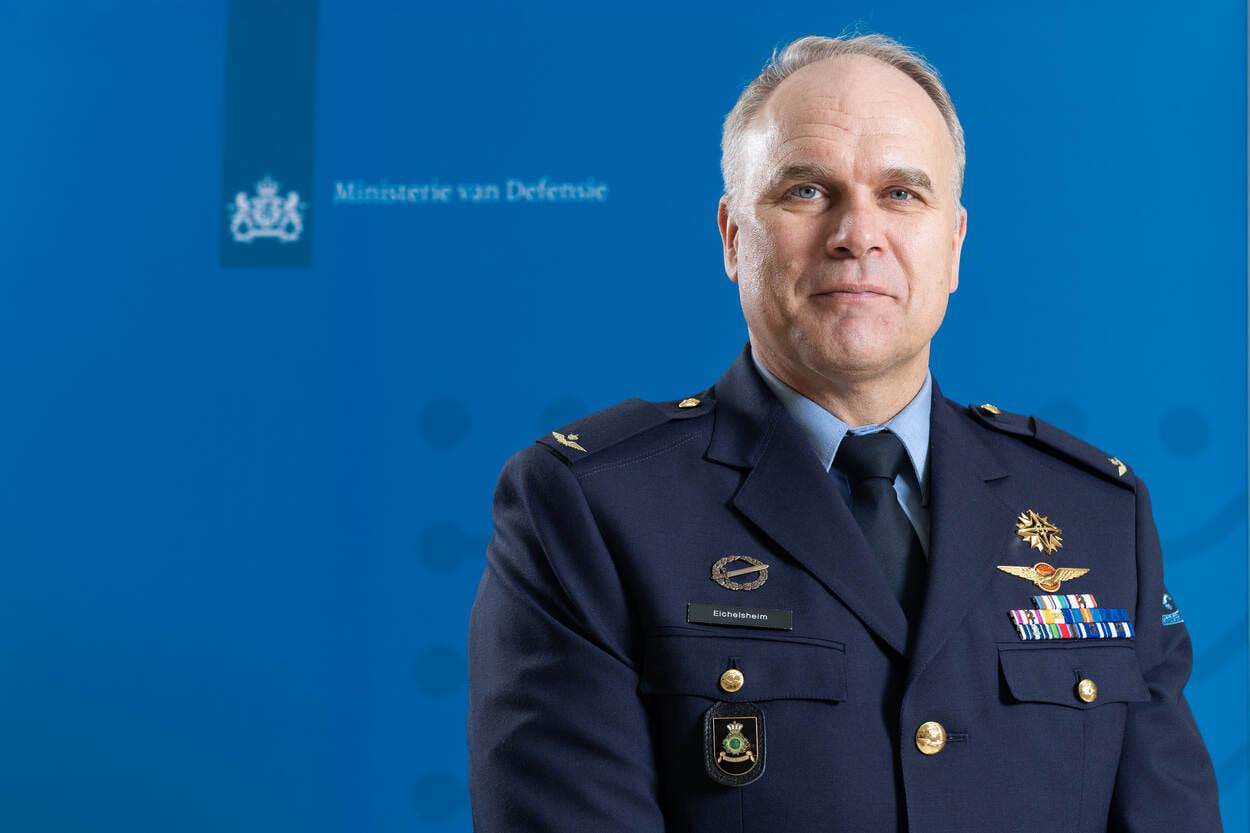
The race to chair the EU Military Committee opened early this week when Dutch General Onno Eichelsheim declared his candidacy at a committee meeting on Wednesday 25 November 2026. The vote will take place in May 2027, well ahead of the handover in mid-2028.
Eichelsheim, a senior Dutch four-star officer, will seek to succeed Irish General Seán Clancy. Clancy took office on 1 June 2025 after Austria’s Robert Brieger, and his three-year term ends in 2028.
The chiefs of defence of the 27 member states choose the chair, and the Council of the EU then formally appoints the winner. The post goes to a four-star officer who speaks for the EU Military Committee and serves as the senior military adviser to the High Representative, currently Kaja Kallas.
In a statement released by the Dutch Ministry of Defence, Eichelsheim said Europe must grow stronger and take more responsibility within NATO. He argued that the EU needs a strong military voice and clear military advice as it builds up its defence role.
Defence Minister Dilan Yeşilgöz-Zegerius has backed the bid. Her support signals that The Hague wants a seat at the heart of EU defence planning at a moment when the Netherlands has raised spending and pushed for closer coordination with NATO.
The timing of the announcement is no accident. The EU is moving money and political capital into defence on a scale it has never attempted, from the SAFE loans programme to the planned European Competitiveness Fund and joint procurement of air defence and ammunition.
That shift gives the EU Military Committee far more relevance than it enjoyed in the era of small crisis-management missions. The committee advises on operations such as EUNAVFOR MED Irini, which ministers have just extended until 31 March 2027, and on the military side of the Readiness 2030 agenda.
A Dutch chair would also bring a strongly Atlanticist profile. Eichelsheim’s own statement frames EU defence as a way for Europe to carry more weight inside the alliance rather than as a rival to it.
That position may suit capitals in the north and east, which fear any duplication of NATO command structures. Paris, by contrast, has long pushed for greater European strategic autonomy and may look for a candidate who shares that emphasis.
Other contenders for the EU Military Committee chair are likely to emerge over the coming months. Smaller and neutral states have held the chair recently, with Austria and Ireland in succession, and some capitals may argue for a candidate from the eastern flank given the threat from Russia.
The EU Military Committee election will also test how the chiefs of defence balance national rotation against expertise. The EU has no formal rotation rule for the chair, but informal expectations about geography and alliance membership often shape the outcome.
For now, Eichelsheim holds an early lead simply by declaring first. He will spend the next five months lobbying fellow chiefs of defence, and each will weigh his NATO credentials against their own national priorities.
Whoever wins will chair the EU Military Committee during the next MFF period, when the Union expects to spend far more on defence than ever before. The choice in May 2027 will therefore say a great deal about the kind of military voice Europe wants at the table.