November 29, 2026
LATEST
Allianz Greenwashing Claims Put 75% of Green Funds on TrialOil Windfall Tax Could Escape National Vetoes, Lawyers ArgueMobile Satellite Services Licences Beyond 2027 Hinge on a Council DealParenthood Regulation Heads to Justice Ministers as Unanimity LoomsMilitary Fuel Pipelines Join the Eastern Flank’s EU Budget Wish ListUnion for the Mediterranean Forum Presses Partners on Hormuz PledgeAMLA Technical Standards Draw Fire From EU Bar CouncilsOnno Eichelsheim Enters the Race for EU Military CommitteePhil Hogan FAO Bid Wins Berlin and Paris Before an EU PickIndia Joins Horizon Europe in 2027 as Talks Close on €93.5bn ProgrammeChemical Labelling Rules Relax for Cosmetics Firms Under Omnibus VIProtection of Vulnerable Adults Gets EU Rules for Cross-Border CareVolume of EU Law Has Doubled, Says the EU Bureaucracy IndexSensible Seven Gains Belgium as De Wever Turns Budget FrugalRogue AI Agent Incidents Earn OpenAI a Second AI Act QueryCrete Migrant Arrivals Top 1,100 in Two Days as Two Die Off GavdosYouth Unemployment Rate of 15.6 percent Leaves EU Under-25s Far Behind AdultsNigeria Humanitarian Aid Rises by €10m Inside a Lake Chad PackagePalestinian Elections 2027 Push Puts EU Reform Leverage to the TestBangladesh Readmission Moves Onto the Agenda of EU Interior MinistersAllianz Greenwashing Claims Put 75% of Green Funds on TrialOil Windfall Tax Could Escape National Vetoes, Lawyers ArgueMobile Satellite Services Licences Beyond 2027 Hinge on a Council DealParenthood Regulation Heads to Justice Ministers as Unanimity LoomsMilitary Fuel Pipelines Join the Eastern Flank’s EU Budget Wish ListUnion for the Mediterranean Forum Presses Partners on Hormuz PledgeAMLA Technical Standards Draw Fire From EU Bar CouncilsOnno Eichelsheim Enters the Race for EU Military CommitteePhil Hogan FAO Bid Wins Berlin and Paris Before an EU PickIndia Joins Horizon Europe in 2027 as Talks Close on €93.5bn ProgrammeChemical Labelling Rules Relax for Cosmetics Firms Under Omnibus VIProtection of Vulnerable Adults Gets EU Rules for Cross-Border CareVolume of EU Law Has Doubled, Says the EU Bureaucracy IndexSensible Seven Gains Belgium as De Wever Turns Budget FrugalRogue AI Agent Incidents Earn OpenAI a Second AI Act QueryCrete Migrant Arrivals Top 1,100 in Two Days as Two Die Off GavdosYouth Unemployment Rate of 15.6 percent Leaves EU Under-25s Far Behind AdultsNigeria Humanitarian Aid Rises by €10m Inside a Lake Chad PackagePalestinian Elections 2027 Push Puts EU Reform Leverage to the TestBangladesh Readmission Moves Onto the Agenda of EU Interior Ministers

Sensible Seven Gains Belgium as De Wever Turns Budget Frugal

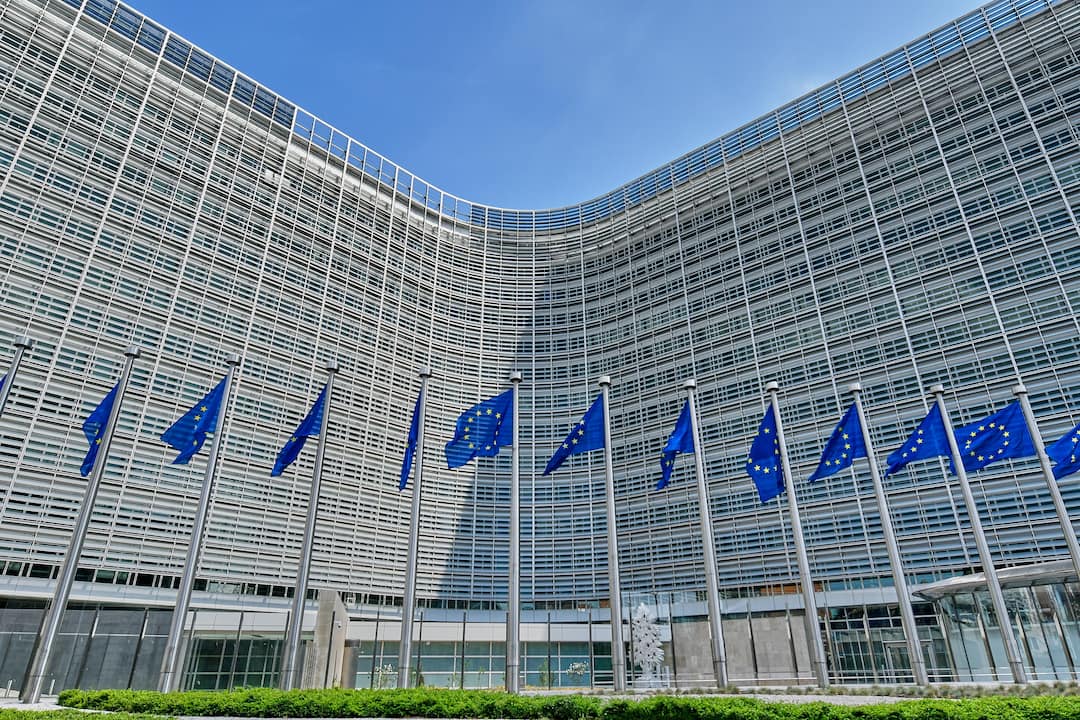
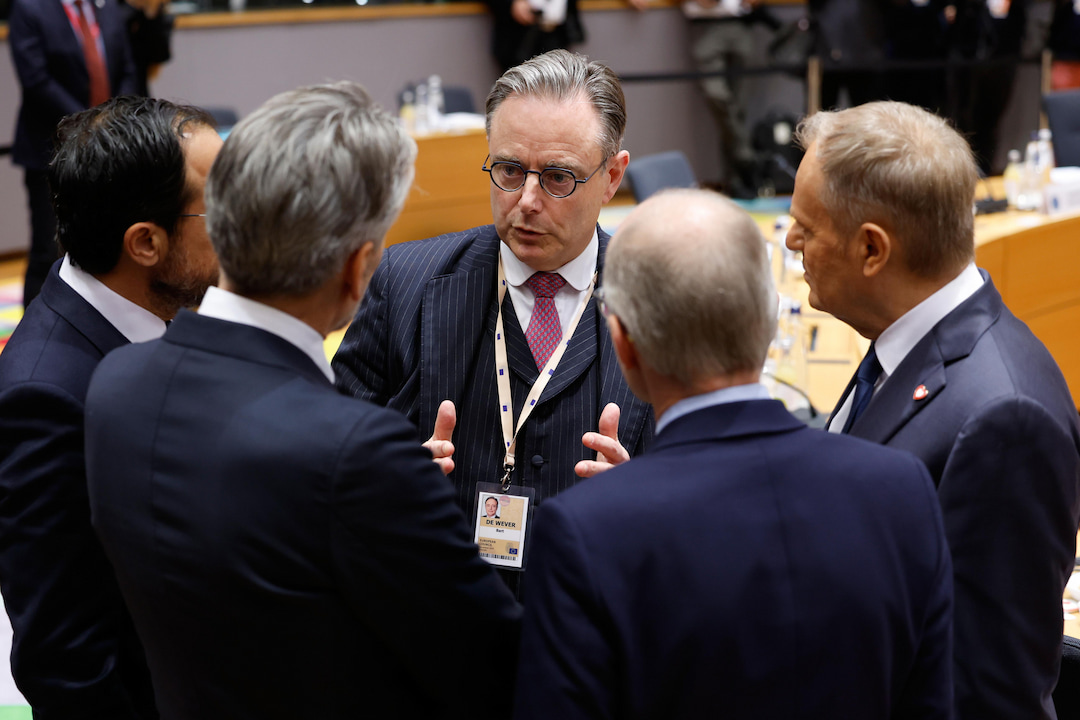
The Sensible Seven is the new name for the group of budget hawks that walked into last week’s special European Council, and its newest recruit is Belgium. Prime Minister Bart De Wever brought his country into the camp of net contributors resisting a larger EU long-term budget, a shift that changes the arithmetic around the table in the Europa building.

German Chancellor Friedrich Merz met the like-minded group before the summit of 26 and 27 November 2026. Alongside Germany, it includes Austria, Denmark, Finland, the Netherlands and Sweden, with Belgium attending as an associate member. The group adopted the Sensible Seven label once Belgium joined, according to Swiss news agency reporting from the summit.

De Wever explained his move with unusual bluntness, saying he had turned frugal because his country is broke. The remark reflects pressure at home. Belgium has run one of the larger deficits in the euro area and has been under the EU’s excessive deficit procedure since 2024, while his coalition pushes spending cuts that have triggered repeated strikes.

The numbers on the table explain why the Sensible Seven resists. European Council President António Costa presented a revised negotiating box on 21 November that trims the 2028-2034 Multiannual Financial Framework by €204 billion compared with the Commission’s July 2025 proposal. Merz still called the roughly €1.78 trillion total too high and argued that Europe needs sound finances.

Belgium also sits in an awkward position on rebates. French President Emmanuel Macron reportedly called for an end to the correction mechanism that lowers contributions for Austria, Denmark, Germany, the Netherlands and Sweden. Belgium does not benefit from that rebate, so it shares the Sensible Seven goal of a smaller budget without the cushion its new partners enjoy.

Facing the Sensible Seven, a cohesion bloc of 17 member states rejects cuts to national and regional partnership plans. The Visegrad Four called Costa’s offer unacceptable in Bratislava on 23 November, and Italian Prime Minister Giorgia Meloni said a deal was light-years away. Hungarian Prime Minister Peter Magyar put the chance of agreement at the summit at virtually zero, and he was proved right.

Budget Commissioner Piotr Serafin has warned that “less is really less”, arguing that cuts at EU level will not save money because governments will fund the same investment nationally. Costa’s plan also leans on new own resources worth about €60 billion a year, including a digital levy, ETS revenue and the carbon border mechanism. Every one of them needs unanimity, which gives each member of the Sensible Seven a veto over the revenue side too.

For Belgium, the choice carries a reputational cost. As host of the EU institutions, the country has traditionally positioned itself as a builder of compromise rather than a member of a blocking group. De Wever, a Flemish nationalist who once kept his distance from the Brussels consensus, is now betting that fiscal credibility at home matters more than that role.

Leaders will try again at the December European Council shortly before Christmas, with working-level talks continuing in the meantime. Paris has warned that failure could push negotiations past the French presidential election in April 2027. Whether the Sensible Seven holds together, or Belgium quietly trades its frugal line for guarantees on cohesion or administrative spending, will be one of the questions to watch.