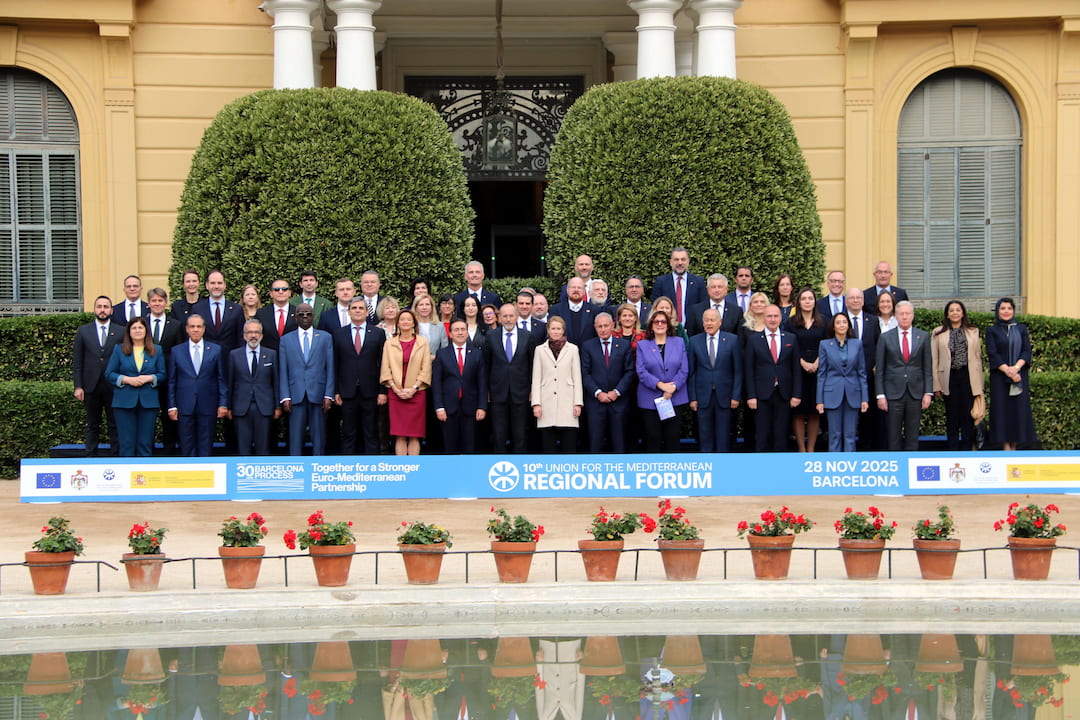
Barcelona: The Union for the Mediterranean gathered foreign ministers in Barcelona on 26 November for its 11th Regional Forum, and EU High Representative Kaja Kallas used the meeting to ask a blunt question about the organisation’s purpose. Co-chairing with Jordanian Foreign Minister Ayman Safadi, she told delegates that this year’s debate should focus on the forum’s future role and on what it actually delivers, not on another round of declarations.
That framing matters. The Union for the Mediterranean, founded in 2008 as the successor to the 1995 Barcelona Process, brings together 43 countries from both shores. A year ago, at its tenth forum in the same city, the European Commission launched the Pact for the Mediterranean, its flagship offer to the southern neighbourhood. Twelve months on, Kallas needs to show that the pact and the body that hosts its dialogue can produce results while crises multiply around the basin.
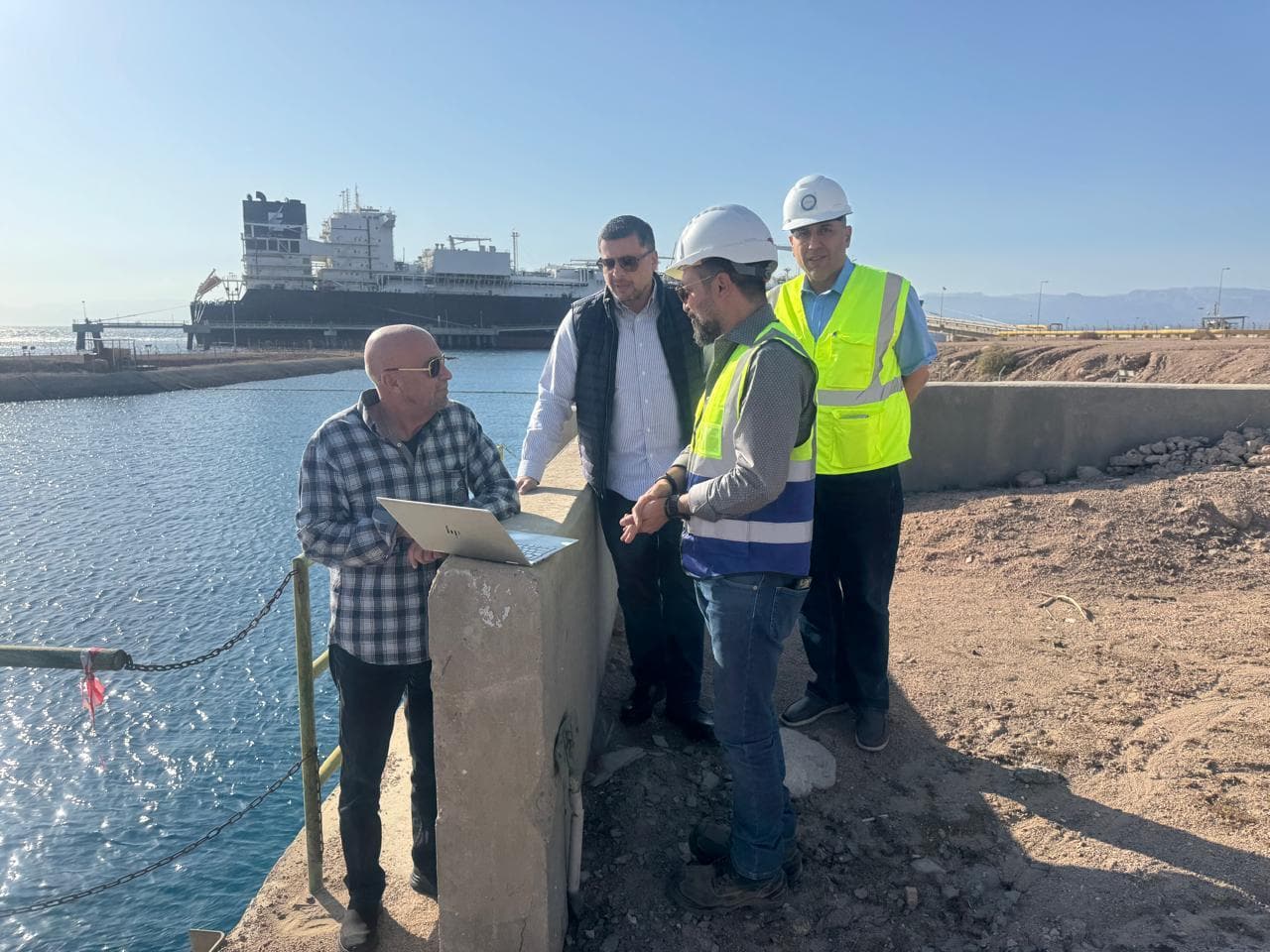
Maritime security topped her list. Kallas pointed to the disruption of shipping through the Bab el-Mandeb and the Strait of Hormuz, and to smuggling, trafficking and the spread of drones, uncrewed vessels and artificial intelligence at sea. She urged members of the Union for the Mediterranean to sign the EU’s proposed “No tolls, no fees” pledge on Hormuz, a commitment to keep the strait free of charges on passing ships. So far Jordan is the only Mediterranean country to have joined, which says much about the gap between European ambition and regional appetite.
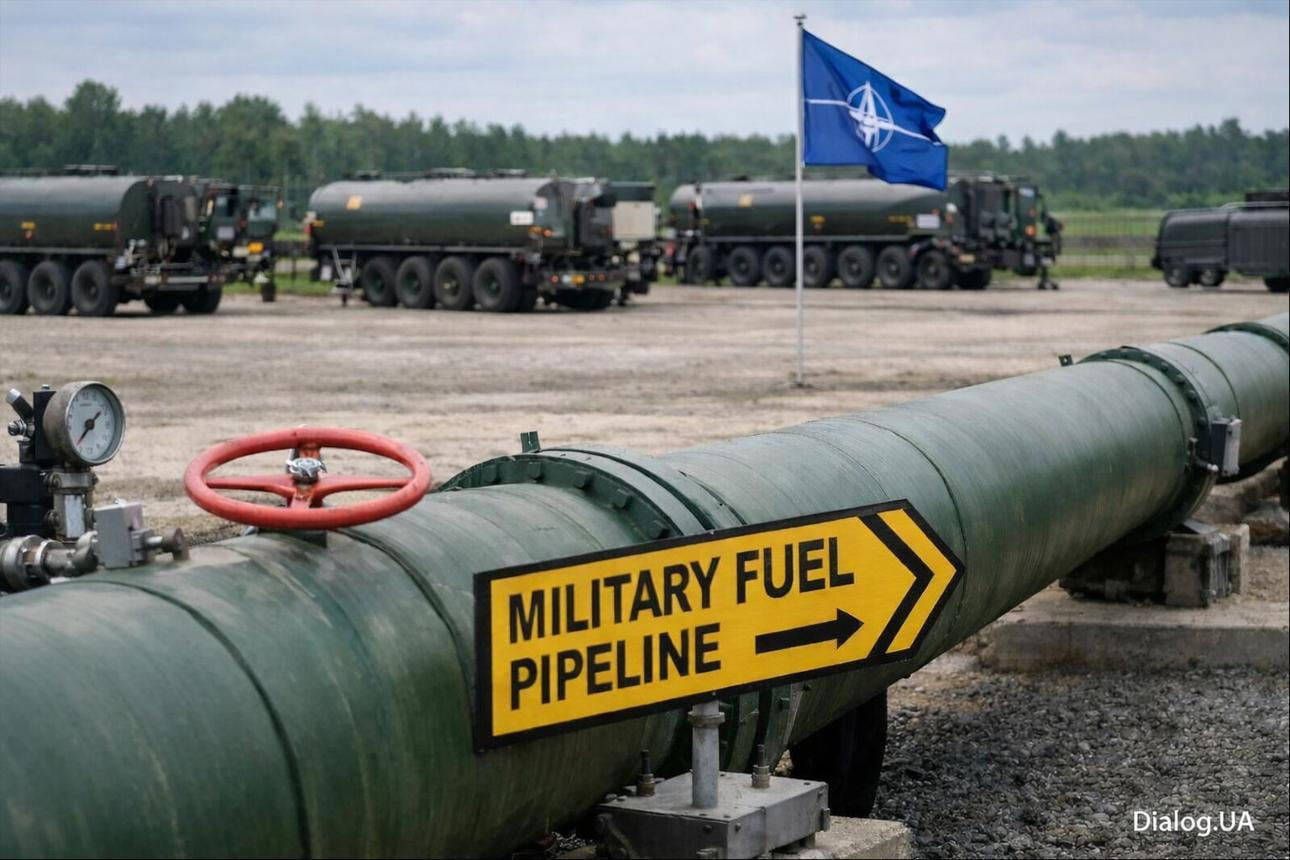
The EU also brought hardware to the table. Kallas confirmed that Operation IRINI, the naval mission that enforces the UN arms embargo on Libya, now holds a mandate running to 2029 with wider tasks, including the protection of undersea cables and pipelines. The operation will work more closely with the navies and coastguards of Egypt, Lebanon, Tunisia and Libya, turning a sanctions mission into a broader partnership tool.
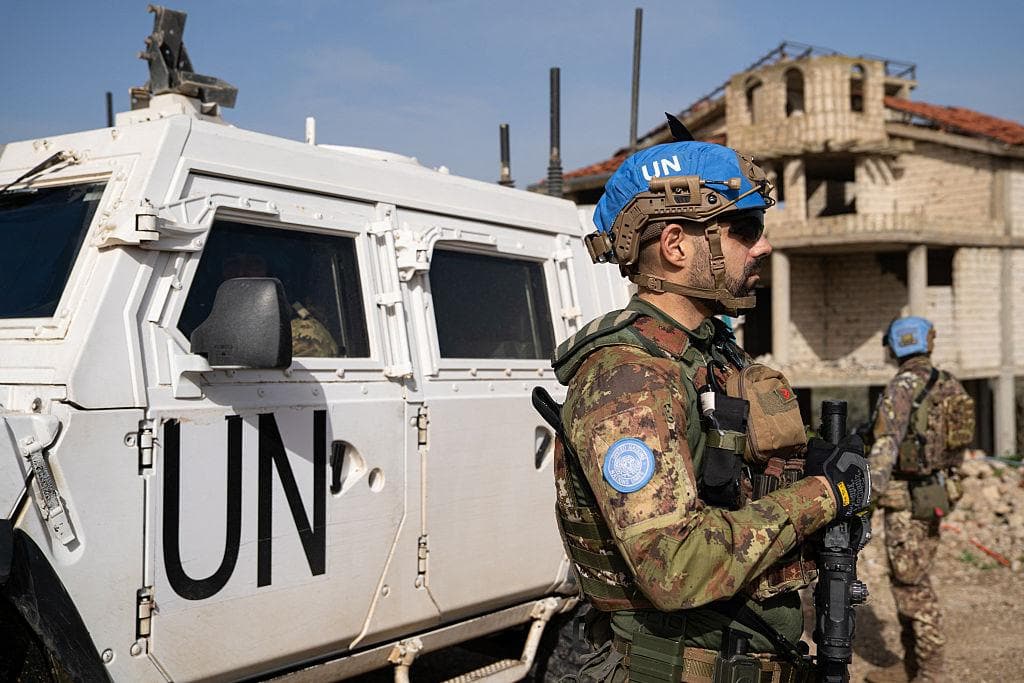
On the Middle East, the figures were concrete. The EU has raised its humanitarian aid to Gaza by more than €90 million, lifting its 2026 total above €217 million. In Lebanon, Kallas named disarmament, territorial control and border security as priorities, after the EU set up a new mission to advise and assist the Lebanese Armed Forces and Internal Security Forces following her recent visit to Beirut. She also welcomed Syria’s return to the Union for the Mediterranean, a symbolic step that reopens a regional channel to Damascus.
Energy offered both a warning and an opportunity. Kallas argued that higher prices after the war in Iran squeeze households and industry across the region, but also strengthen the case for a faster clean-energy transition. In her view, the region covered by the Union for the Mediterranean could become a major hub for renewable power, a vision that depends on grids, interconnectors and investment that the southern shore still largely lacks.
The sharpest remarks concerned governance. Kallas called for renewing the mandates of the Secretary-General of the Union for the Mediterranean and of its Southern Co-Presidency, conceding that efforts so far have failed and that new people are needed. That is an unusually direct admission that leadership has become a bottleneck. Ministers also looked ahead to a ministerial meeting on research and innovation in April 2027, expected to be co-chaired by Commissioner Ekaterina Zaharieva, and Kallas proposed a first ministerial on higher education alongside it.
The wider message was strategic. Kallas warned that major powers are pursuing coercive policies and argued that partners are stronger when they act together. Whether the Union for the Mediterranean can turn that conviction into delivery in 2027, through new leadership, Hormuz commitments and joint maritime work, will decide if the Barcelona forum remains a talking shop or becomes the working engine of the EU’s southern policy.