November 29, 2026
LATEST
Allianz Greenwashing Claims Put 75% of Green Funds on TrialOil Windfall Tax Could Escape National Vetoes, Lawyers ArgueMobile Satellite Services Licences Beyond 2027 Hinge on a Council DealParenthood Regulation Heads to Justice Ministers as Unanimity LoomsMilitary Fuel Pipelines Join the Eastern Flank’s EU Budget Wish ListUnion for the Mediterranean Forum Presses Partners on Hormuz PledgeAMLA Technical Standards Draw Fire From EU Bar CouncilsOnno Eichelsheim Enters the Race for EU Military CommitteePhil Hogan FAO Bid Wins Berlin and Paris Before an EU PickIndia Joins Horizon Europe in 2027 as Talks Close on €93.5bn ProgrammeChemical Labelling Rules Relax for Cosmetics Firms Under Omnibus VIProtection of Vulnerable Adults Gets EU Rules for Cross-Border CareVolume of EU Law Has Doubled, Says the EU Bureaucracy IndexSensible Seven Gains Belgium as De Wever Turns Budget FrugalRogue AI Agent Incidents Earn OpenAI a Second AI Act QueryCrete Migrant Arrivals Top 1,100 in Two Days as Two Die Off GavdosYouth Unemployment Rate of 15.6 percent Leaves EU Under-25s Far Behind AdultsNigeria Humanitarian Aid Rises by €10m Inside a Lake Chad PackagePalestinian Elections 2027 Push Puts EU Reform Leverage to the TestBangladesh Readmission Moves Onto the Agenda of EU Interior MinistersAllianz Greenwashing Claims Put 75% of Green Funds on TrialOil Windfall Tax Could Escape National Vetoes, Lawyers ArgueMobile Satellite Services Licences Beyond 2027 Hinge on a Council DealParenthood Regulation Heads to Justice Ministers as Unanimity LoomsMilitary Fuel Pipelines Join the Eastern Flank’s EU Budget Wish ListUnion for the Mediterranean Forum Presses Partners on Hormuz PledgeAMLA Technical Standards Draw Fire From EU Bar CouncilsOnno Eichelsheim Enters the Race for EU Military CommitteePhil Hogan FAO Bid Wins Berlin and Paris Before an EU PickIndia Joins Horizon Europe in 2027 as Talks Close on €93.5bn ProgrammeChemical Labelling Rules Relax for Cosmetics Firms Under Omnibus VIProtection of Vulnerable Adults Gets EU Rules for Cross-Border CareVolume of EU Law Has Doubled, Says the EU Bureaucracy IndexSensible Seven Gains Belgium as De Wever Turns Budget FrugalRogue AI Agent Incidents Earn OpenAI a Second AI Act QueryCrete Migrant Arrivals Top 1,100 in Two Days as Two Die Off GavdosYouth Unemployment Rate of 15.6 percent Leaves EU Under-25s Far Behind AdultsNigeria Humanitarian Aid Rises by €10m Inside a Lake Chad PackagePalestinian Elections 2027 Push Puts EU Reform Leverage to the TestBangladesh Readmission Moves Onto the Agenda of EU Interior Ministers

Military Fuel Pipelines Join the Eastern Flank’s EU Budget Wish List

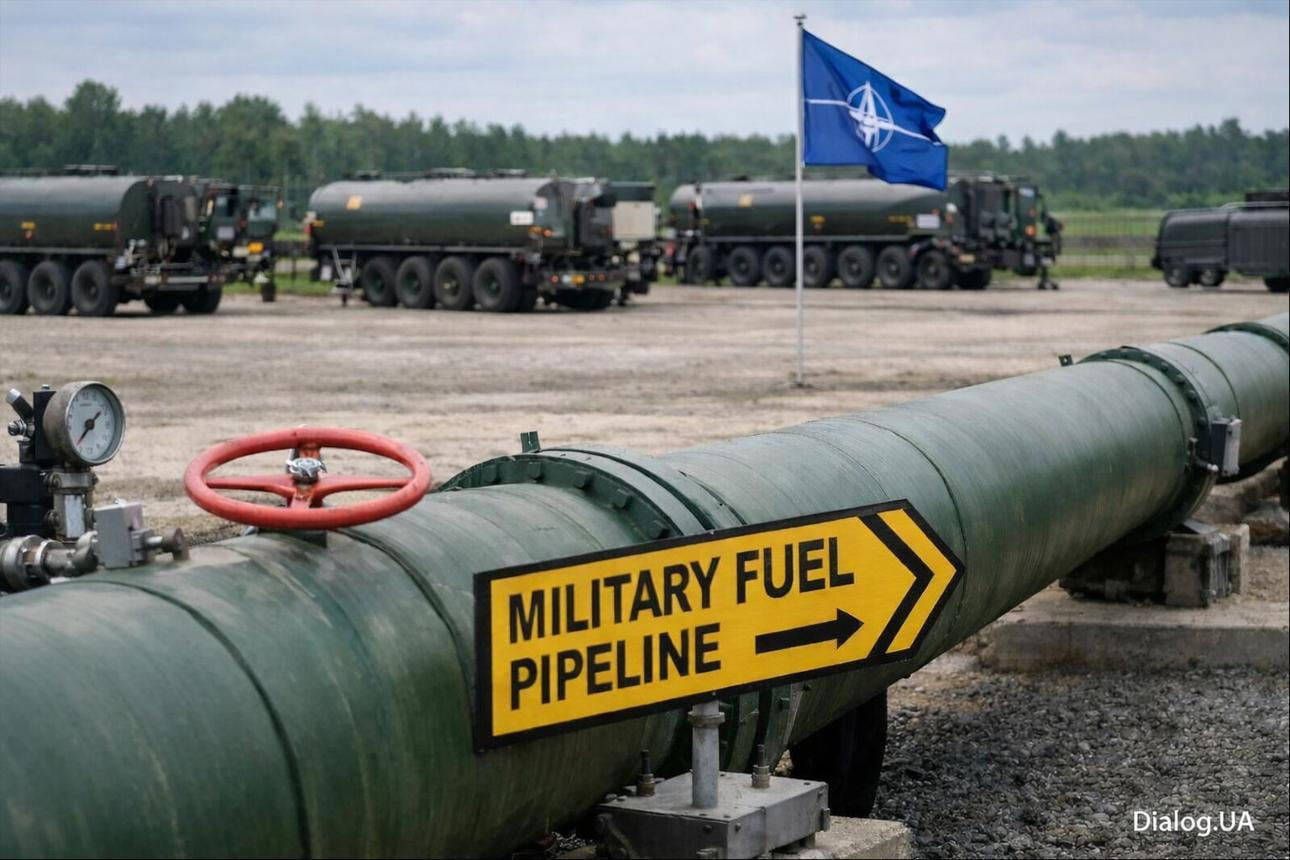
Bratislava: Military fuel pipelines have become the newest item on the eastern flank’s wish list for the next EU budget. Defence ministers from Slovakia, Czechia, Hungary, Poland, Lithuania and Romania have sent a joint letter to EU High Representative Kaja Kallas and Defence Commissioner Andrius Kubilius, asking that fuel pipelines and storage sites for armed forces become eligible for EU money under the 2028-2034 Multiannual Financial Framework, according to reporting based on Slovak public broadcaster STVR on 27 November.

The request on military fuel pipelines is narrower than it sounds, and shrewder. Rather than proposing a new European network, the six governments want the EU to help extend NATO’s Central Europe Pipeline System towards the Union’s eastern and south-eastern borders. The system, built during the Cold War and run under the NATO Support and Procurement Agency, carries fuel across Belgium, France, Germany, Luxembourg and the Netherlands, but it stops well short of the countries that now face Russia directly.

That geography is the core of the problem. Allied planners have long warned that tanks, aircraft and convoys deployed to Poland, the Baltic states or Romania would depend on road and rail deliveries that are slow, costly and easy to disrupt, because military fuel pipelines do not reach them. Bloomberg reported in March 2026 that eastern allies were pushing to extend the network, and they pressed the case again ahead of NATO’s Ankara summit. In October, Kubilius himself warned that Europe could face a fuel crunch in wartime, Euronews reported.

The letter cites three threats to justify the request: growing Russian military activity near EU borders, instability in the Middle East, and attacks on energy infrastructure. Together they show that military fuel pipelines are no longer a niche logistics question but a test of whether European deterrence is credible. A brigade that cannot refuel at speed is a brigade that cannot deter.

The timing is deliberate. Leaders are locked in hard negotiations over the next long-term budget, and the Commission has proposed a far larger envelope for defence and space, alongside military mobility funding to upgrade bridges, rail corridors and ports for dual use. Adding military fuel pipelines to the eligible projects would extend that logic from moving troops to sustaining them. It would also hand Kubilius a concrete flagship for his Readiness 2030 agenda.

The hurdles are obvious. The letter on military fuel pipelines names no figure, and it remains unclear whether Brussels will accept the idea or how much it might commit. Net contributors already resisting a bigger budget will ask why NATO common funding should not pay to extend an Alliance asset. There is also a political wrinkle: Hungary and Slovakia, two signatories, often clash with Brussels over Ukraine and Russian energy, yet they now ask the EU to finance infrastructure justified by the Russian threat.

Still, the proposal shows how EU-NATO cooperation is being built from the ground up. Instead of duplicating Alliance structures, the six capitals want the EU budget to fill a gap that NATO has identified but not funded. If negotiators accept that model, military fuel pipelines could become one of the clearest cases of the EU acting as NATO’s financial partner on the eastern flank, and a quiet but decisive piece of Europe’s defence readiness in the next budget cycle.