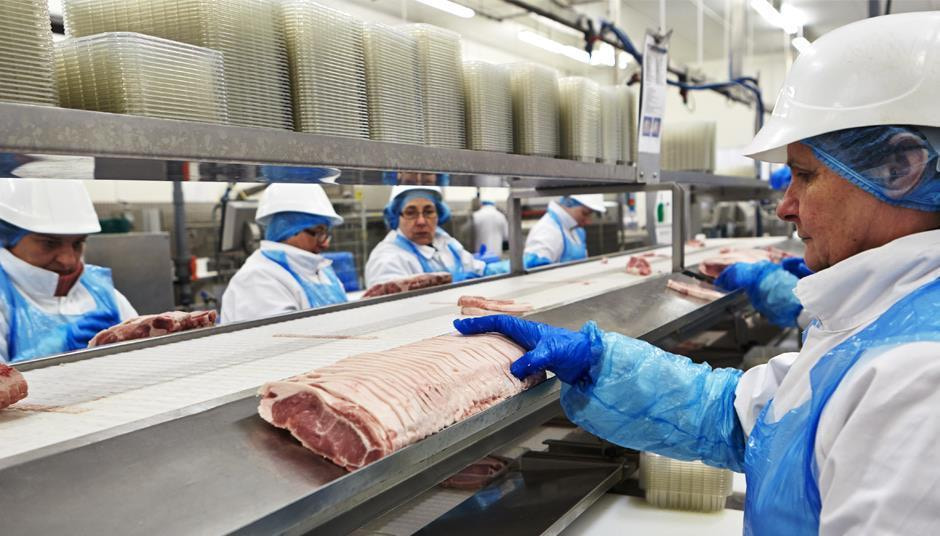
Mexico City: European farmers have more riding on the EU-Mexico trade agreement than almost any other sector, because Mexican tariffs of up to 45% still apply to EU cheese and pork. The Commission says the modernised deal will remove 95% of high Mexican tariffs on EU agri-food exports once it applies.
The EU has finished its part of the process on the EU-Mexico trade agreement. The modernised Global Agreement and the interim trade agreement were signed on 22 May 2026, and the European Parliament gave consent on 8 July 2026. MEPs backed the interim deal by 474 votes to 131, with 60 abstentions.
The Council then concluded the interim trade agreement on 14 July 2026. Mexico was expected to complete its own ratification after the summer, and the interim deal enters into force on the first day of the second month after both sides notify that their procedures are complete.
For the agri-food sector, the stakes of the EU-Mexico trade agreement are concrete. Mexico imported €2.5 billion of EU agri-food products in 2025, a figure that Brussels expects to grow sharply as duties fall. Dairy, pork, pasta, chocolate and wine producers stand to gain the most, because they currently face some of the steepest barriers.
Geographical indications add a second layer of value. The EU-Mexico trade agreement protects 568 EU geographical indications in the Mexican market, shielding prized European food and drink names from imitation. That matters in a country where generic use of European food names has long been common.
The deal also opens public procurement in 14 Mexican states, which could help European food service and equipment suppliers. Simpler customs rules may save European exporters up to €100 million a year, according to Parliament estimates.
Not everyone in Europe is celebrating. Some farm groups worry about Mexican imports of honey, beef and fruit, although the EU kept tariff-rate quotas for its most sensitive products. The debate echoes resistance to the Mercosur agreement, but the Mexico deal has drawn far less opposition, partly because Mexico already trades with the EU under a framework in place since 2000.
The geopolitical context strengthens the case for the EU-Mexico trade agreement. Mexico faces pressure from Washington on tariffs and over the review of the United States-Mexico-Canada Agreement. For Mexico City, deeper ties with Europe offer diversification, and for Brussels the agreement secures a foothold in North America’s manufacturing and food supply chains.
Food security is part of the calculation too. Mexico is a major producer of avocados, berries and tomatoes, and stable trade rules help European importers manage seasonal supply. At the same time, European exporters gain a reliable outlet for high-value products.
Over 45,000 EU companies already export to Mexico, most of them small and medium-sized enterprises. Once Mexico notifies completion and the EU-Mexico trade agreement takes effect, those firms will judge its value by one measure, which is how quickly the tariff cuts reach their order books.