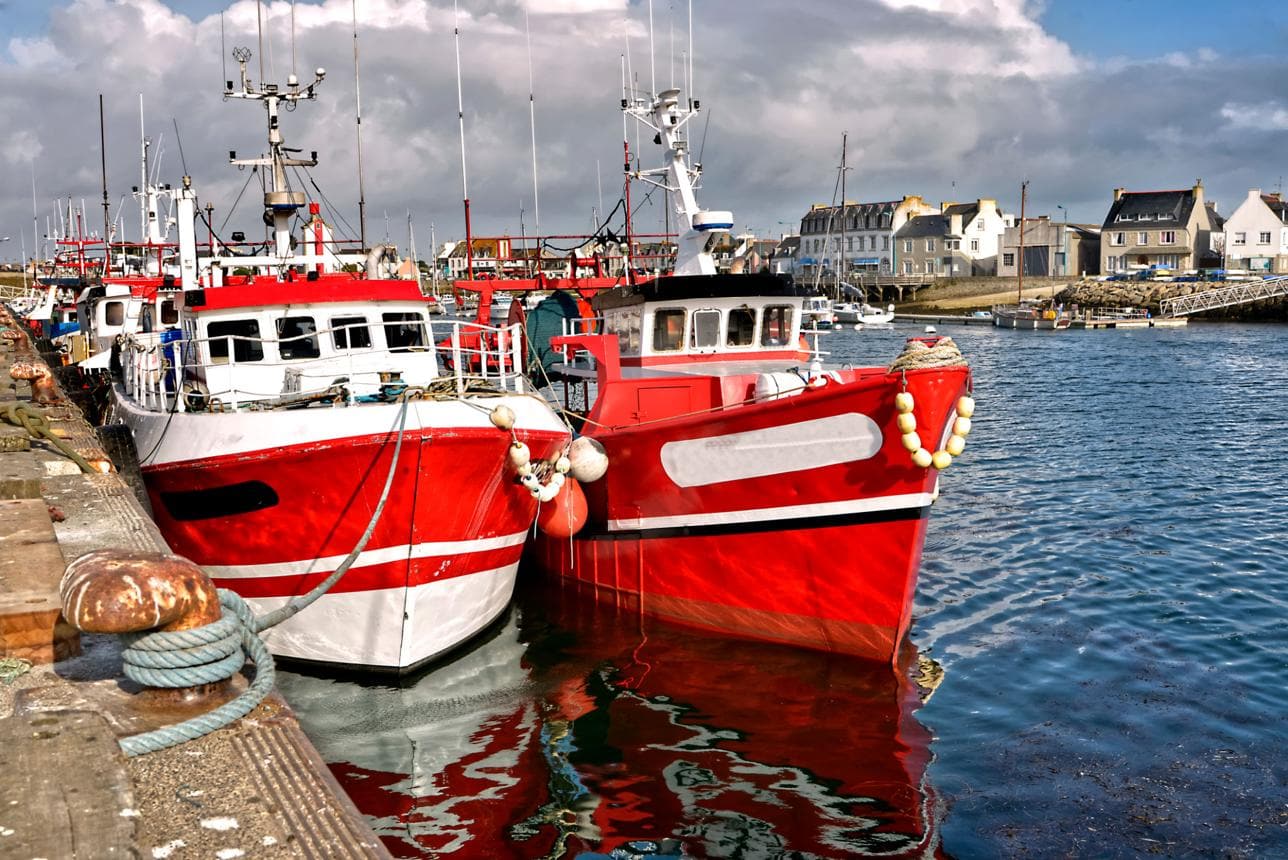
Rennes: French fuel state aid worth up to €40.5 million won European Commission approval on 13 October 2026, giving farmers, fishers and hauliers a loan lifeline against higher fuel costs linked to the Middle East crisis. The Commission cleared two separate schemes. One serves transport companies with up to €23.3 million, and the other serves agricultural, fishery and aquaculture companies with up to €17.2 million.
The schemes rest on the Middle East Crisis Temporary State Aid Framework, which the Commission adopted on 29 April 2026. The Commission also assessed them under Article 107(3)(c) of the Treaty on the Functioning of the European Union and Sections 1, 2.1 and 2.2 of the framework. The cases carry the numbers SA.124159 for agriculture, fishery and aquaculture and SA.124290 for transport.
Only firms that depend heavily on fuel can apply. A company qualifies if its fuel spending reaches at least 5% of its annual turnover. That threshold targets the businesses that feel price spikes most sharply and keeps the aid away from firms that can absorb the shock.
The aid takes the form of soft loans rather than grants. The loans carry a fixed 3.8% interest rate and a state guarantee. Each loan ranges from €5,000 to €50,000 and runs for a maximum of three years, including a 12-month deferral of principal repayments.
The Commission found that the schemes are temporary, have a clear estimated budget, and are necessary, appropriate and proportionate. It also concluded that they do not unduly distort trading conditions against the common interest. Those findings follow the standard test that every crisis framework must meet before a government can pay out.
The decision shows how the framework works in practice. Member states design narrow schemes with small loans and firm eligibility limits, and the Commission checks them against its competition rules. French fuel state aid fits that pattern, because the loans are modest and the budget is capped.
The budget is modest, but the design is instructive. Loans between €5,000 and €50,000 suit small farms, fishing boats and haulage firms, which often lack large cash reserves. Because borrowers repay the loans, governments can help firms through a price shock without creating a permanent subsidy.
French fuel state aid therefore sits at the cautious end of what the temporary framework allows. The 12-month deferral of principal repayments gives borrowers time to recover, and the three-year maximum term keeps the exposure of public money short. Observers of French fuel state aid will watch how many firms actually take up the loans.
Non-confidential versions of both decisions will appear in the state aid register once confidentiality issues are resolved. Competition lawyers will read them for detail on how the 5% threshold and the loan terms were justified. Other capitals that are weighing similar support will study how French fuel state aid passed the proportionality test.