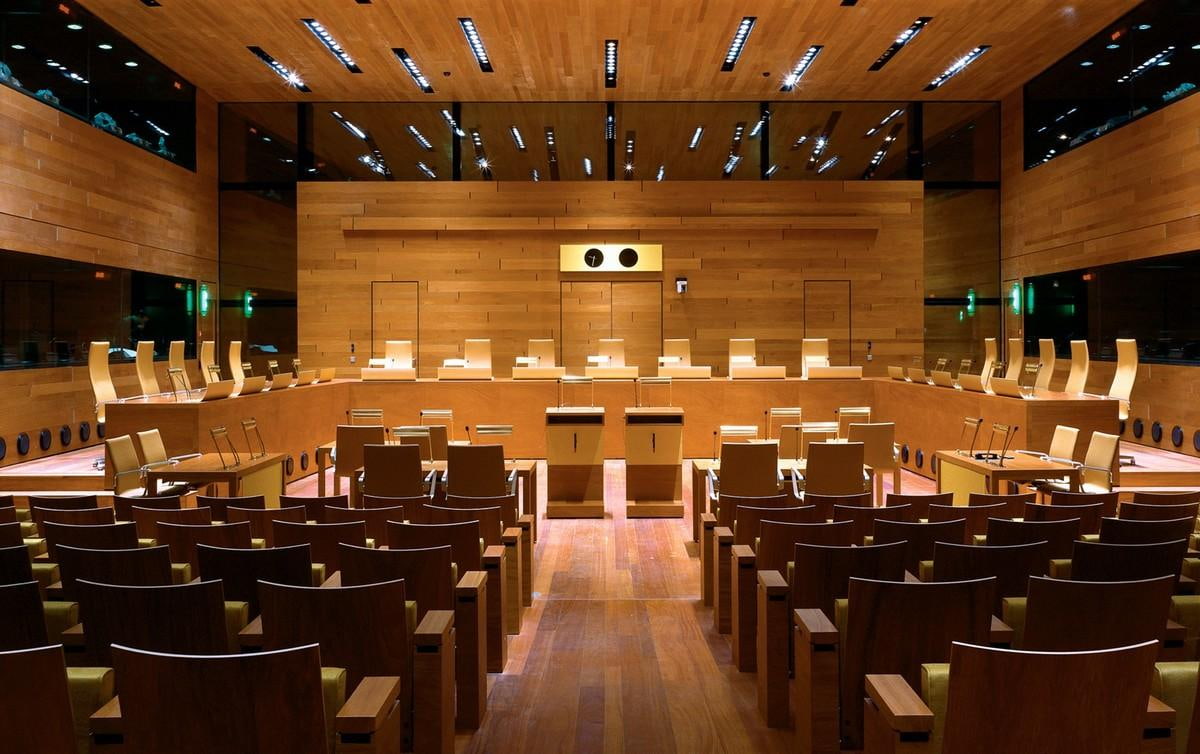
Esch-sur-Alzette: The Court of Justice has clarified the conditions for determining the tax domicile of EU officials and other servants. The judgment of 15 October 2026 in Case C-275/25 Kolwager gives staff of the institutions and the authorities that tax them a firmer test for a question that decides where a person owes national tax.
Staff of the European Union enjoy a special tax regime. Their salaries are subject to a Union tax collected for the EU budget, and the Union’s rules shield those salaries from national income tax. Questions still arise about where an official is considered to live for tax purposes, because the tax domicile affects how other income, such as property or investment earnings, is taxed and how the national authorities treat the household.
The Court’s press release states that the judgment sets out the conditions for determining the tax domicile of officials and other servants. The summary available so far does not spell out every element of the test, and the full text will matter for practitioners. The central point is that the Court has now defined what counts, which should reduce disagreement between staff and tax administrations over where an official is domiciled.
The question is practical for thousands of people. Many officials work in Brussels, Luxembourg, Frankfurt or one of the agency seats, while keeping family ties and property in their home country. National authorities sometimes assert that such ties keep the official domiciled at home, while the person argues that the place of work has become the centre of life. A clear test for tax domicile reduces the risk of double claims and costly disputes.
The ruling also interests the tax authorities of host states. Luxembourg and Belgium host large numbers of EU staff, and they need to know how to treat the households of officials who live near the institutions. Home states, in turn, want to know when they may still tax an official’s private income. The Court’s guidance helps both sides apply the same logic to the same facts.
Tax advisers expect the judgment to be cited quickly in national proceedings. Because the Court interprets Union law and national courts must follow that interpretation, authorities in all member states will have to apply it. Staff who have contested their assessment may use the ruling to reopen cases, though limitation periods in national law will decide how far that is possible.
The Kolwager case is a reminder that the privileges and immunities of EU staff create their own body of tax law. With this judgment, the Court has given officials and administrations a clearer way to settle questions of tax domicile, and it has done so in a field where certainty is rare.