San Donato Milanese: The Saipem Subsea7 merger, a share deal that would create an offshore engineering group renamed Saipem7, remains under in-depth review by the European Commission after the investigation was paused to wait for further information from the companies. The Commission stopped the regulatory clock on 25 August 2026, according to reports in September that first appeared in Milano Finanza.
The timeline shows how quickly a deadline can move. Saipem and Subsea7 formally notified the transaction to the Commission on 16 June. On 22 July the Commission opened a phase II investigation, citing serious doubts about compatibility with the internal market. The original phase II deadline was 26 November, and a 14-working-day extension requested by the companies moved it to 16 December. With the clock stopped, that date is at risk, and completion could slip into early 2027 if the pause lasts several weeks. The companies had aimed to close in the second half of 2026.
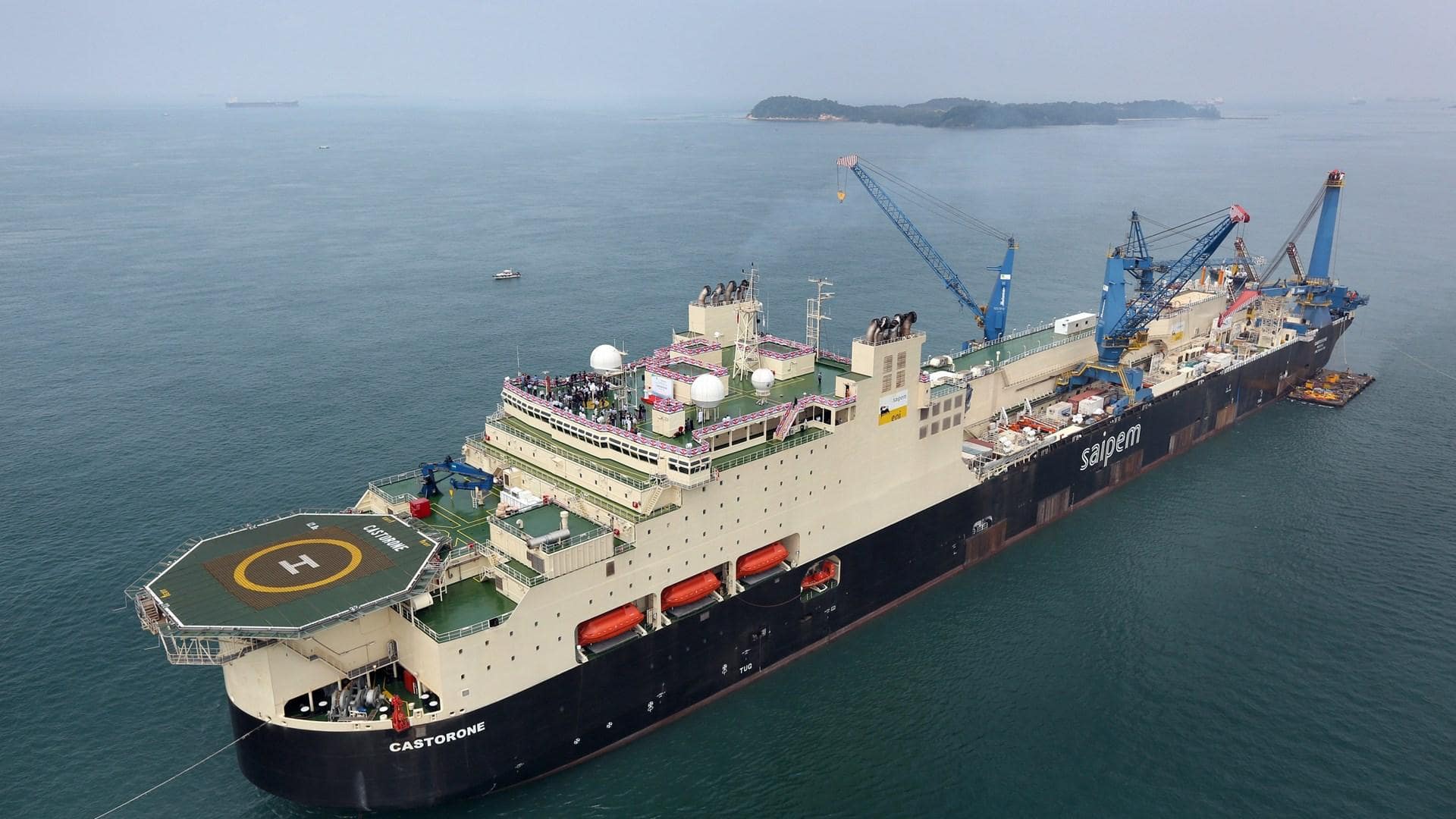
The Commission’s concern about the Saipem Subsea7 merger is concentrated in subsea umbilicals, risers and flowlines, known as SURF, the equipment that links offshore oil, gas and carbon capture projects to production infrastructure. Its preliminary findings say Saipem and Subsea7 are two of only three leading global suppliers, that they compete closely on larger and technically demanding projects, and that spare vessel capacity is limited. High barriers to entry and the absence of similarly scaled alternatives add to the worry. The Commission is examining whether the Saipem Subsea7 merger could raise prices or reduce innovation, and it is also looking at trunkline installation and subsea decommissioning. Offshore wind and conventional offshore construction were seen as largely complementary.
A pause does not signal a prohibition. The clock restarts only when the Commission considers the outstanding information complete, and the companies can still offer remedies. Other authorities have been more relaxed: the United States waiting period expired at the end of July, the UK competition regulator has cleared the deal, and ten of the 16 authorities reviewing it have approved it.
The commercial case for the Saipem Subsea7 merger is large. Subsea7 would be absorbed into Saipem, with shareholders of each owning 50%, a combined fleet of more than 60 construction vessels and about 44,000 employees. The companies target annual cost and capex synergies of about €300 million from the third year after closing, and Subsea7 shareholders are due a €450 million extraordinary cash dividend just before completion.
For now, the Saipem Subsea7 merger depends on a data exchange rather than a verdict. Reports describe the review as paused, and no new decision date has been published in the sources available, so buyers of subsea equipment and rival contractors will watch whether the 16 December date holds.