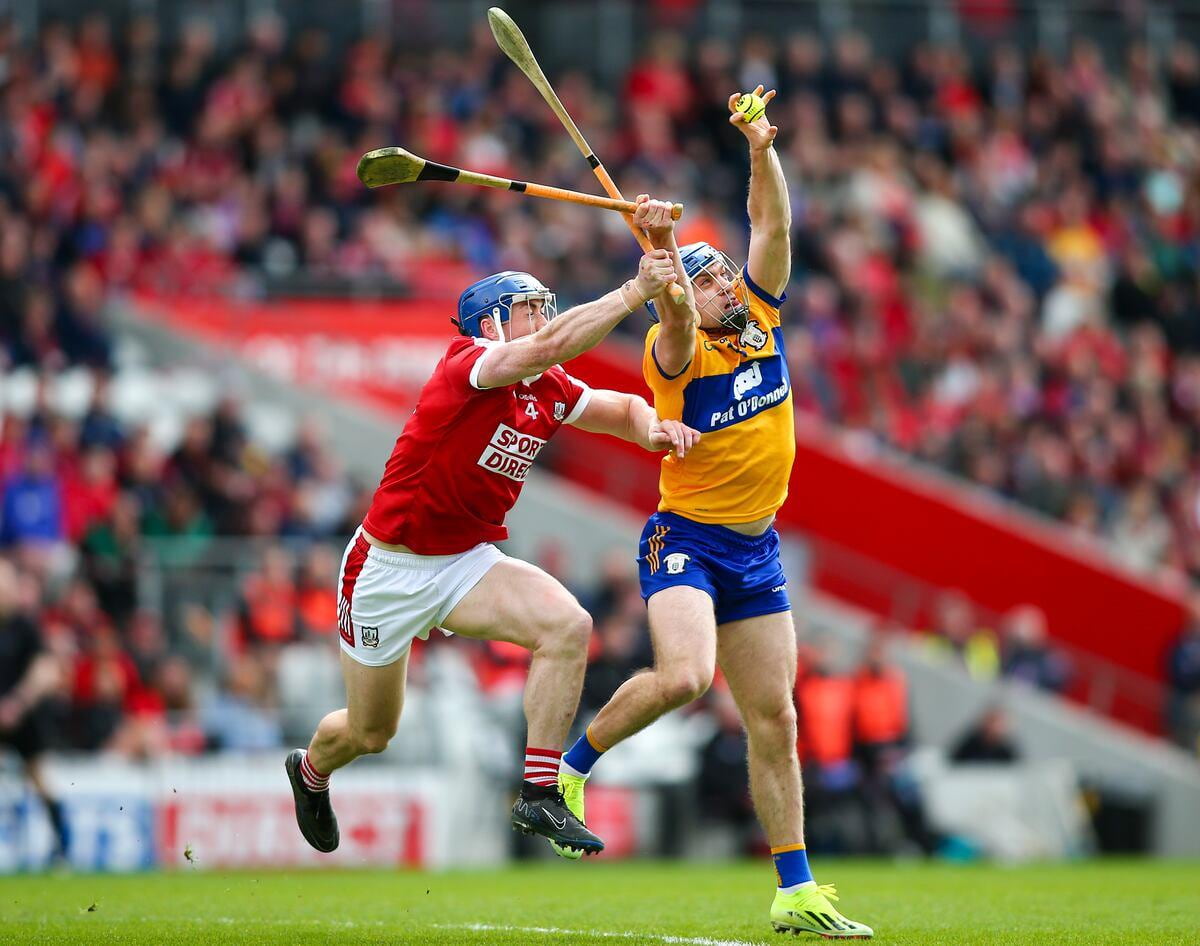
Croke Park: Traditional sports and games won formal backing from EU ministers on 20 November, when the Culture and Sport Council adopted conclusions on protecting them for future generations. The text, prepared under the Irish presidency, names hurling, Basque log-chopping, Czech nohejbal and Finnish pesäpallo as examples of a heritage at risk.
Charlie McConalogue, Ireland’s Minister of State for Sport, chaired the debate. He said these disciplines reflect the history, identity and traditions of communities across the continent, and urged governments to treat them as living culture rather than folklore.
The conclusions on traditional sports and games start from a blunt diagnosis. Participation is falling, especially among young people, as urbanisation pulls families away from the villages where many games began. Clubs struggle with scarce funding and staff, depend heavily on volunteers, and rarely gain visibility outside their home regions.
Ministers set out several benefits that justify public support. These disciplines strengthen local identity, improve physical and mental wellbeing, and build social cohesion between generations. The Council also links them to healthy lifestyles and to rural tourism, although the text does not quantify any economic effect.
Member states received a clear list of tasks to protect traditional sports and games. They should raise awareness at national and regional level, record practices in national heritage inventories, and encourage children and young people to take part. Governments are also asked to support volunteers and community organisations and to cooperate across borders, including through UNESCO.
The Commission has its own role. Ministers invited it to promote these disciplines during the European Week of Sport and through existing funding programmes such as Erasmus+ and the European Social Fund Plus. The conclusions create no new grant line and no binding obligations, so any money must come from calls that already exist.
That limit will shape the impact. Small clubs devoted to traditional sports and games often lack the capacity to write complex funding bids, and they compete with larger organisations for the same Erasmus+ sport budget. Advocates argue that simpler application routes and dedicated priorities in future calls would matter more than declarations.
Traditional sports and games already feature in the EU Work Plan for Sport 2024-2027 under its integrity and values priority, and the new conclusions give it sharper focus as ministers prepare the next plan. Inclusion of people from minority backgrounds receives explicit attention, reflecting concern that heritage sports can feel closed to newcomers.
For hurling clubs in Ireland or pesäpallo teams in Finland, the political signal is welcome. Whether it reverses declining participation in traditional sports and games will depend on how quickly capitals turn the conclusions into school programmes, inventories and accessible funding.