October 21, 2026
LATEST
Finnish Mill Workers Await Globalisation Adjustment Fund AidStorm Aid From The EU Solidarity Fund Faces A Plenary VoteEuropean Chief Prosecutor Handover Nears As Kövesi Term EndsAgri-Food Promotion Policy Faces Bigger Budget Push From MEPsErasmus+ 2028-2034 Budget Fight Opens Between MEPs And CommissionMoldova Accession Talks Open 17 Chapters Under The Irish PresidencyIndonesia EU CEPA Signing Hinges On A Language ClauseDigital Fairness Act Targets Dark Patterns In AppsCritical Medicines Act Awaits Final Votes On Drug SupplyMontenegro Accession Treaty Draft Advances After EU SummitHousing Exclusion Recommendation Gives Ministers A Homelessness PlanEU Integrated Resolve 2026 Drills Hybrid Crisis Response For Weeks2 GHz Satellite Spectrum Faces A May 2027 Deadline In BrusselsFirst EU Homelessness Recommendation Backs Housing-Led CareEcofin Deal Limits ESMA Direct Supervision To Giant VenuesNigeria Defence Assistance Gets A First €20m EU PackageAir Passenger Rights Reform Takes Legal Effect On 22 OctoberBaltic Sea Fishing Quotas Head To Ministers With Herring SurgeEU-GCC Summit 2026 Tests Whether Gulf Trade Can Become PartnershipArmenia EU Strategic Agenda Gives Yerevan A Path Without CandidacyFinnish Mill Workers Await Globalisation Adjustment Fund AidStorm Aid From The EU Solidarity Fund Faces A Plenary VoteEuropean Chief Prosecutor Handover Nears As Kövesi Term EndsAgri-Food Promotion Policy Faces Bigger Budget Push From MEPsErasmus+ 2028-2034 Budget Fight Opens Between MEPs And CommissionMoldova Accession Talks Open 17 Chapters Under The Irish PresidencyIndonesia EU CEPA Signing Hinges On A Language ClauseDigital Fairness Act Targets Dark Patterns In AppsCritical Medicines Act Awaits Final Votes On Drug SupplyMontenegro Accession Treaty Draft Advances After EU SummitHousing Exclusion Recommendation Gives Ministers A Homelessness PlanEU Integrated Resolve 2026 Drills Hybrid Crisis Response For Weeks2 GHz Satellite Spectrum Faces A May 2027 Deadline In BrusselsFirst EU Homelessness Recommendation Backs Housing-Led CareEcofin Deal Limits ESMA Direct Supervision To Giant VenuesNigeria Defence Assistance Gets A First €20m EU PackageAir Passenger Rights Reform Takes Legal Effect On 22 OctoberBaltic Sea Fishing Quotas Head To Ministers With Herring SurgeEU-GCC Summit 2026 Tests Whether Gulf Trade Can Become PartnershipArmenia EU Strategic Agenda Gives Yerevan A Path Without Candidacy

Digital Euro Negotiations Turn On Holding Limits And Fees

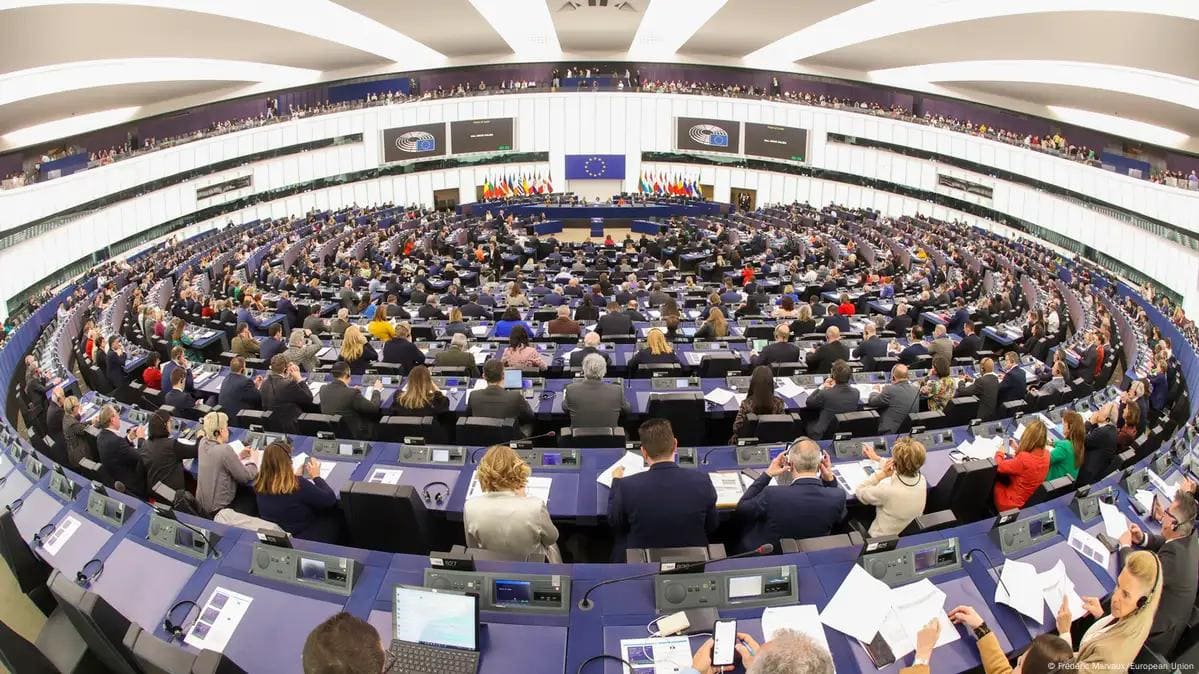
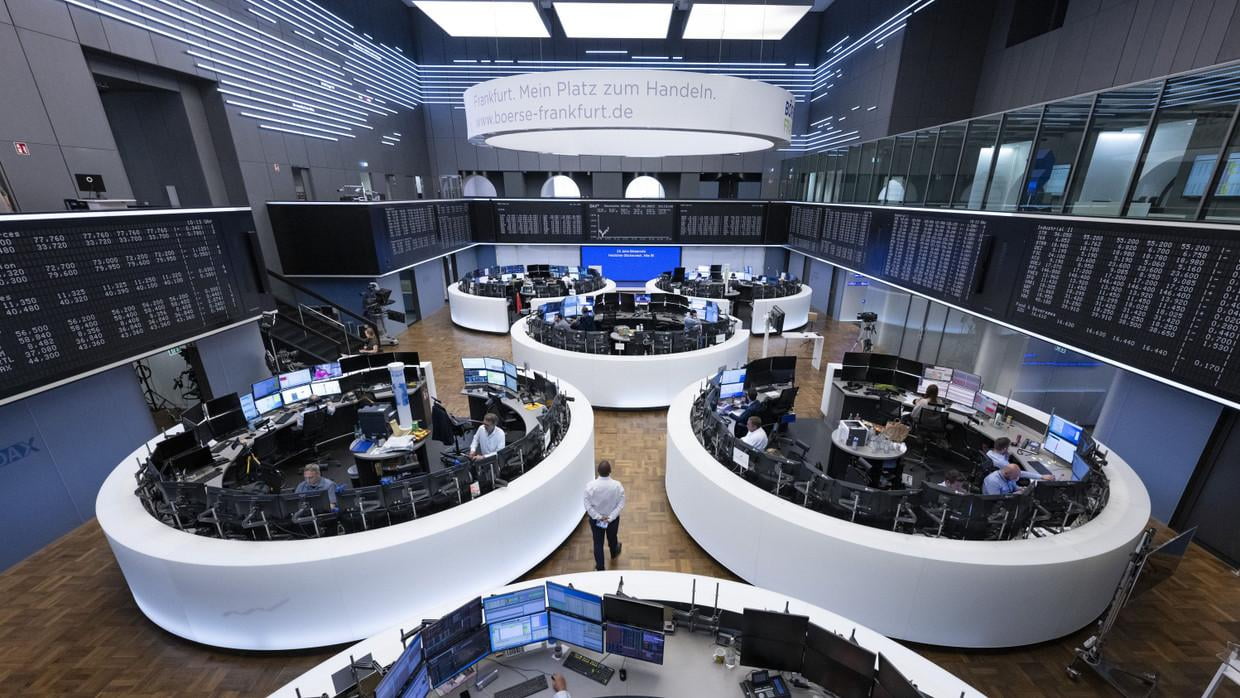
Frankfurt: The digital euro negotiations have reached the hardest part of the legislative process, because Parliament and the Council now hold two mandates that agree on the goal but differ on who sets the limits and who pays the fees. Parliament adopted its position on 9 July 2026 by 416 votes to 169, with 22 abstentions, and the first political trilogue followed on 13 July under the Irish presidency. The institutions aim for a political agreement by the end of 2026.

Where the digital euro negotiations stand

The Commission tabled the Single Currency Package in June 2023. The Council adopted its mandate on 19 December 2025 under the Danish presidency, and Fernando Navarrete Rojas, of the European People’s Party, leads Parliament’s team. Both texts provide for an online and an offline digital euro, and both want the offline version to work like cash. The digital euro negotiations therefore start from shared architecture, not a blank page.

The European Central Bank has set a timetable that depends on the lawmakers. A pilot with 36 banks and other payment service providers is planned for the second half of 2027, and issuance could begin as early as 2029 if the law arrives on time. Every month of delay in the digital euro negotiations pushes those dates back.

Who sets the digital euro holding limit?

The holding limit is the sharpest institutional divide. Parliament would let the Commission set the overall ceiling through a delegated act, informed by an ECB recommendation, so Parliament and the Council could object but not amend. The Council prefers an implementing decision adopted by reinforced qualified majority, based on an ECB recommendation agreed with the Commission. Neither text publishes a euro figure, so the digital euro negotiations are about process before they are about money.

Legal persons are a second fault line. Parliament would almost entirely bar companies from holding digital euros, and it would write that ban into the regulation. The Council leaves the details to the ECB and hints at possible zero limits, while insisting that the ceiling must not block mandatory acceptance duties.

Merchant fees and the compensation model

Both institutions accept euro-area uniform fee caps, first under a transitional model and later under cost-based fees plus a reasonable margin. They disagree on the benchmark. Parliament compares fees with comparable digital means of payment and lets the transitional model run indefinitely, unless a Commission report shows that it lowers merchant costs and supports competition. The Council benchmarks against card schemes and ends the transitional model after ten years at the latest.

The gap matters to banks, which fear that low caps will not cover their costs, and to retailers, which want a cheaper alternative to card payments. Offline transaction fees remain unresolved, so the digital euro negotiations will have to settle that point separately.

Acceptance, cash and privacy safeguards

Parliament’s text would oblige most businesses to accept the digital euro, with exemptions for self-employed people and micro enterprises that take no other digital payments. Both institutions agree that payers may choose between euro cash and the digital euro. Parliament also wants euro-area countries to keep cash accessible and bars businesses from refusing it. Navarrete Rojas summed up the intent: “The digital euro will complement cash, never replace it.”

Privacy is a shared aim, but the technical routes differ. The Council adds rules on how the system verifies that an offline payment is genuine. Parliament stresses alignment with the GDPR and asks for safeguards against conflicts of interest between the ECB’s monetary, supervisory and oversight roles. The co-legislators still have to agree which personal data payment providers, the ECB and national central banks may process.

What happens next

Three questions will decide the outcome: who owns the holding-limit decision, which benchmark governs merchant fees, and how far companies can use the digital euro. If trilogues close those gaps before the end of 2026, the ECB’s 2029 target stays within reach. If they do not, the digital euro negotiations will slip into 2027 and collide with the pilot schedule.

For banks and payment providers, the sensible step is to plan for a uniform fee cap and a ceiling set by a central decision rather than by national choice. The digital euro negotiations will not produce a final text this month, but the two mandates already show where the compromise has to land.