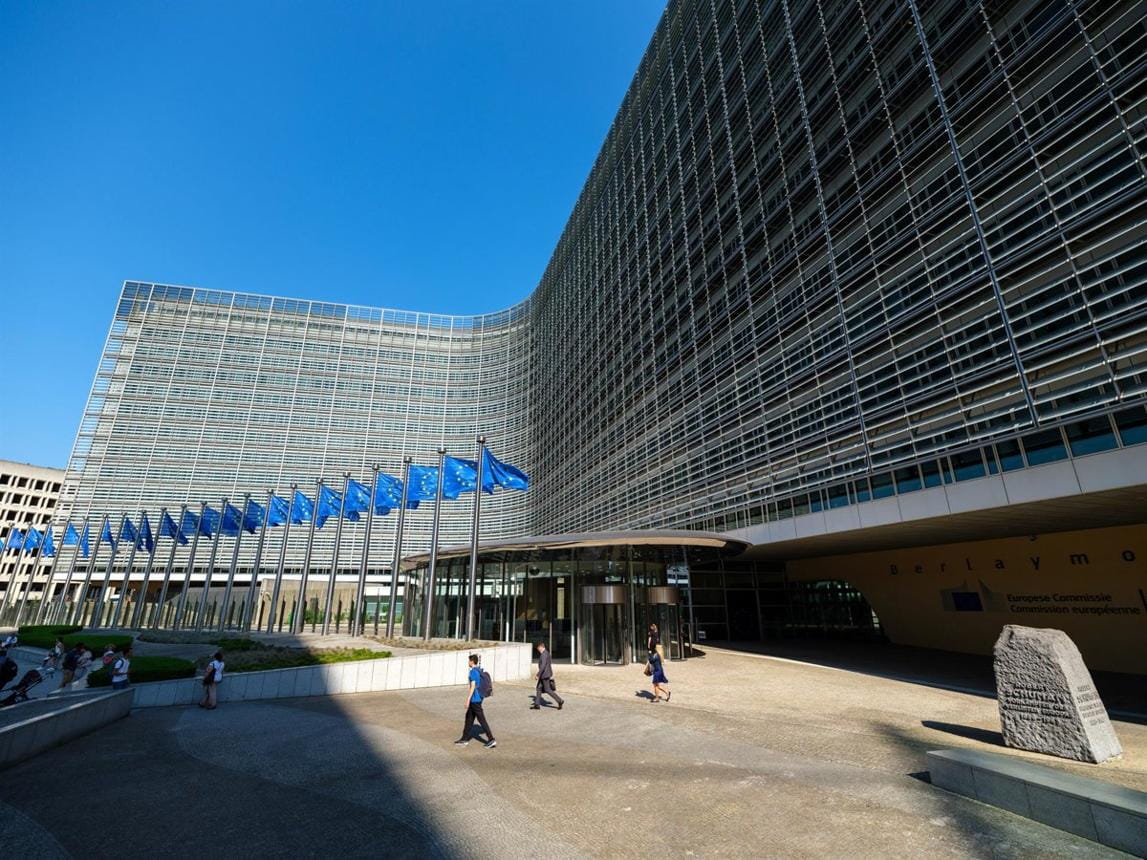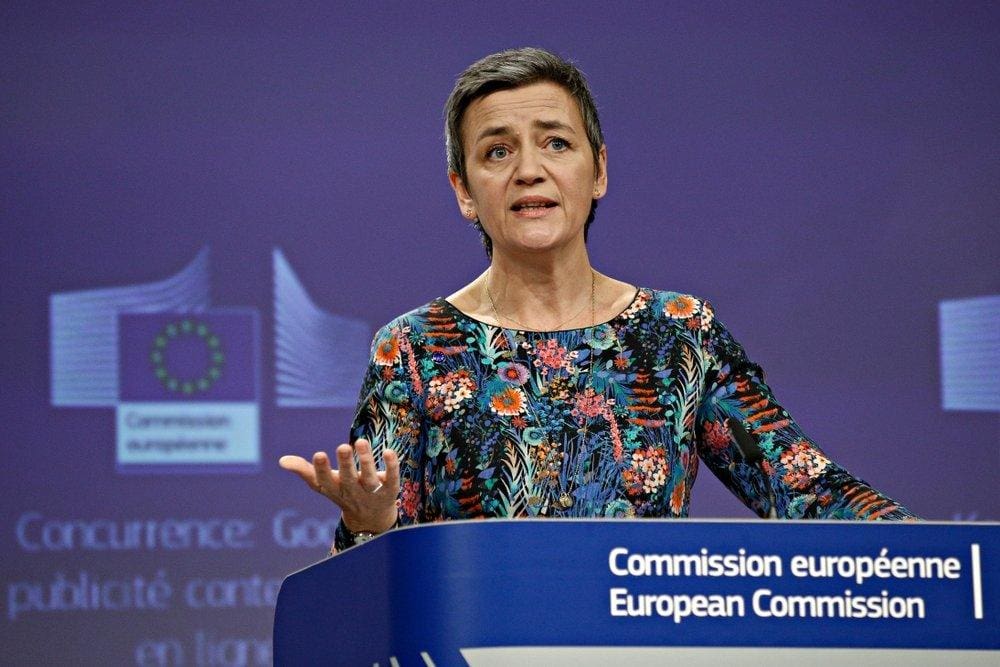
Vienna: Europe’s competition enforcers are reopening the manual they use to judge whether one company may swallow another. The Commission has put draft merger guidelines out for public consultation, the first serious overhaul of the texts that steer merger control since the current horizontal rules took shape in the mid-2000s.
The proposal folds two ageing documents into one. The existing Horizontal Merger Guidelines, which cover deals between direct rivals, and the Non-Horizontal Guidelines, which cover suppliers buying customers or vice versa, would give way to a single modernised framework. Officials argue the market has changed faster than the paperwork. Digital platforms, data advantages and the race to build clean-technology supply chains rarely fit the tidy categories drafted twenty years ago.
Business lawyers have already seized on the timing. A ruling from the EU General Court in June sharpened the debate over how far investigators may reach when they gather documents during a merger probe. That case grew out of the Commission’s scrutiny of a French media tie-up and its claim that the buyer had started merging the two businesses before winning clearance. The judgment set limits on the paperwork enforcers can demand, and companies now want the new guidelines to spell out where those limits sit.
The revised text matters because guidelines, though not binding law, shape almost every decision a deal-maker takes. Advisers read them to predict which transactions will sail through and which will draw a second-phase investigation lasting months. A clearer rulebook lowers the guessing, while a vaguer one invites more filings, more delay and more litigation.
The Commission is under pressure from two directions at once. Some governments want a lighter touch so that European firms can bulk up and compete with American and Chinese giants, a theme that has run through recent competitiveness debates. Consumer groups and smaller rivals warn that loosening the standard would let dominant players buy up young challengers before they grow into real threats, the so-called killer acquisition problem that has dogged the technology sector.
Enforcers insist they are not softening. They point to the steady flow of routine clearances, including a fresh batch of deals waved through under the simplified procedure in late July, as proof the system already moves quickly for uncontroversial cases. The harder question is what happens to the borderline files, where a merger neither obviously helps nor obviously harms competition.
Interested parties can file comments over the coming months, and the Commission will weigh submissions from law firms, trade bodies, unions and national regulators before publishing a final version. Anyone tracking the process can follow it through the Commission’s merger control pages, where the draft and supporting analysis sit alongside the consultation.
Whatever emerges will govern billions of euros in corporate activity. A tighter standard could stall the consolidation that some industrialists say Europe needs to build scale in energy, defence and semiconductors. A looser one could hand incumbents room to entrench. The Commission now has to write a single set of words that satisfies neither camp entirely, and it has invited the whole continent to argue over the draft before the ink dries.