Nicosia: Europe’s push to raise its tobacco tax stalled again in June 2026, when the Cypriot Presidency pulled the revised Tobacco Taxation Directive off the ECOFIN agenda after failing to secure the unanimity that tax law demands. A single government can block the file, and several did.
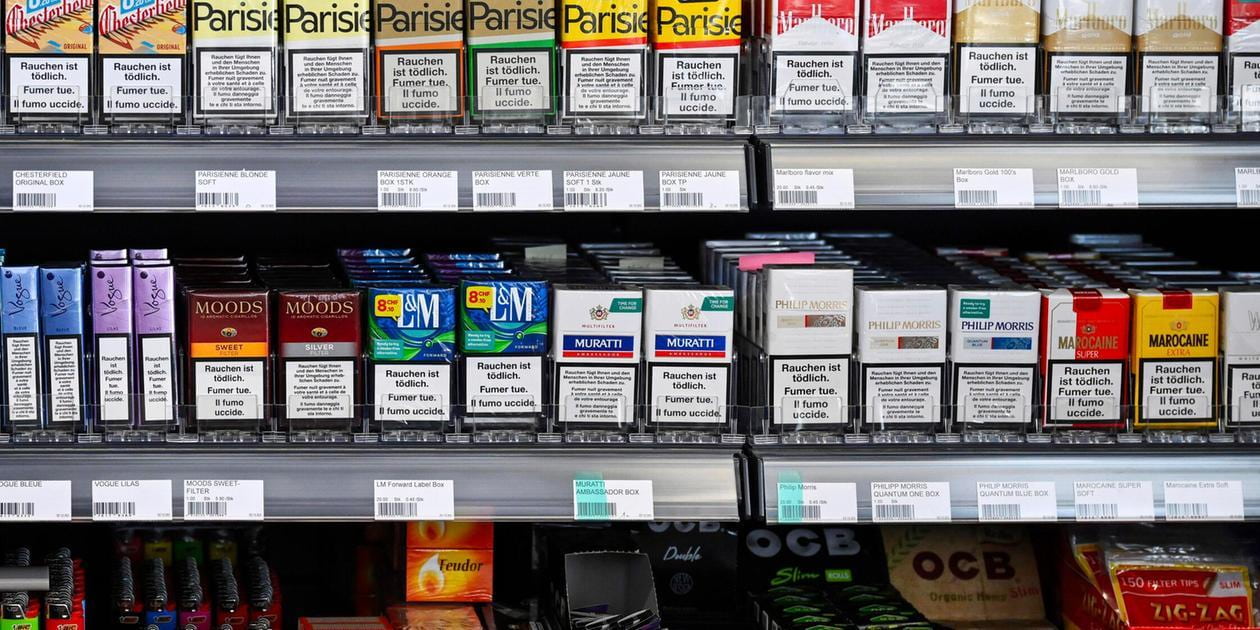
The Commission proposed the overhaul on 16 July 2025 to lift minimum excise rates across the bloc, narrow the price gaps that let smokers shop across borders, and pull new products into the net. The plan would tax e-cigarettes, heated tobacco, nicotine pouches and even CBD vaping liquids for the first time.
Brussels ties the reform to its goal of a tobacco-free generation by 2040, arguing that higher and broader duties cut consumption while raising revenue. The current minimum rates, set years ago, have lost bite as prices and incomes rose.
Ministers split over how far and how fast to go. Some governments questioned the size of the proposed increases, the length of the transitional periods and the mechanism that would adjust rates over time.
Sweden led the resistance on lower-risk products. Stockholm defends snus and nicotine pouches as harm-reduction tools and refused to accept the treatment the Commission wanted for them.
“We must protect public health, but we also have to respect national choices on products that help smokers quit,” a Swedish finance ministry spokesperson said, restating the objection that has frozen the file.
The Cypriot Presidency said it had made every possible effort through bilateral talks and working-group meetings to find a compromise. Most delegations called the text balanced, yet several kept their reservations, and the Presidency handed the dossier to Ireland to try again.
In the European Parliament, the file sits with the Economic and Monetary Affairs Committee, where the Czech member Tomáš Kubín serves as rapporteur and published a draft report in March 2026. Parliament only advises on tax files, so the real fight stays in the Council.
Unanimity is the sticking point. Because taxation decisions need every capital on board, one holdout can stall a directive for years, a pattern that has dogged EU excise reform for a decade. The Commission proposal remains on the table, but its fate now rests with the Irish Presidency.
The numbers explain the urgency. The Commission wants to lift the minimum duty on a pack of cigarettes sharply and index future rates, closing a gap that lets prices in one member state run at a fraction of another. Governments across the bloc collect tens of billions of euros in tobacco duty each year, so even small changes to the tobacco tax move national budgets.
The reform also reshapes how newer nicotine products compete. By bringing vapes, heated tobacco and pouches under a common minimum, Brussels wants to end the patchwork that leaves some products untaxed in one country and heavily taxed in the next, a divergence that fuels cross-border trade and undercuts national health rules.
Health campaigners want a swift deal, warning that stagnant duties let cheap cigarettes and unregulated vapes spread. Industry groups counter that steep increases would fuel smuggling and hit poorer smokers hardest. With the tobacco tax reform parked until at least the next presidency, both sides face a long wait before Europe settles the question.