Brussels: The European Commission moved to bankroll five joint defence projects on 3 July 2026, proposing the first European Defence Projects of Common Interest to help EU governments build major military systems together rather than in national silos. The package channels shared money into capabilities that no member state can afford to develop alone.
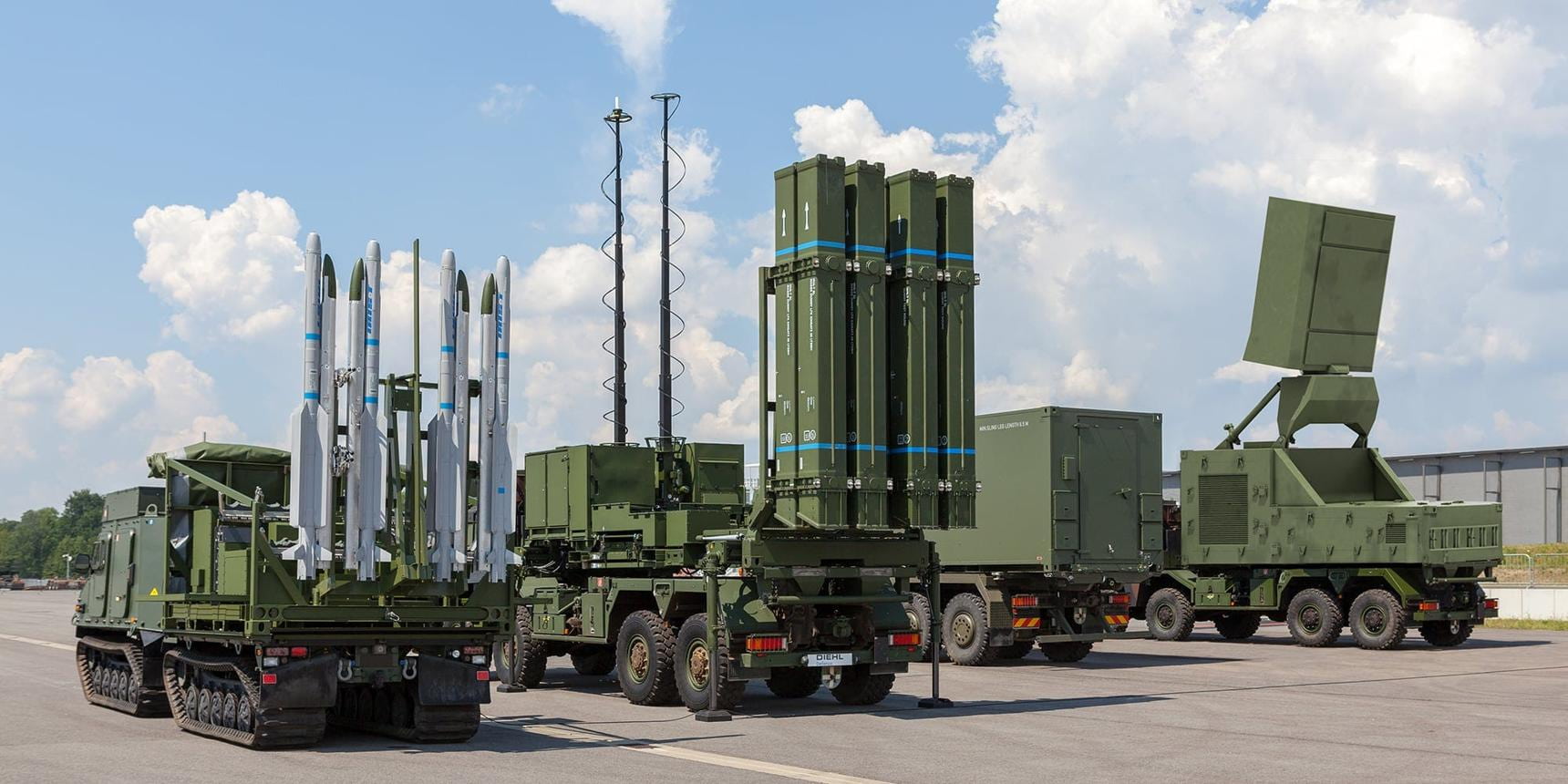
The five defence projects cover drones and counter-drone systems, maritime and seabed defence, space, air and missile defence, and a package to harden the bloc’s Eastern Flank against Russia and Belarus. Each strand pools demand across capitals so that factories can plan longer production runs and cut unit costs.
The Commission allocated an initial €325 million from the €1.5 billion European Defence Industry Programme to launch and deploy the schemes. On average 18 member states join each project, Ukraine takes part in four of the five, and Norway may sign up as an associated partner.
Andrius Kubilius, the Commissioner for Defence and Space, framed the projects as a test of whether Europe can spend together instead of duplicating national programmes.
“These projects turn political ambition into hardware,” Kubilius said. “By buying and building together, member states get more capability for every euro and give European industry the certainty it needs to scale up.”
The drone and counter-drone strand carries particular weight after a run of airspace incursions along the eastern border. It feeds into the wider European Drone Defence Initiative, which the Commission wants at initial capacity by the end of 2026 and fully operational by the end of 2027.
Money flows through the European Defence Industry Programme, a €1.5 billion instrument the Commission adopted on 30 March 2026 to strengthen the industrial base of both the EU and Ukraine. The programme rewards joint procurement and pushes companies to source components inside Europe.
Member states keep the steering wheel. Under the design, capitals set the objectives, governance and funding shares for each project, while the Commission coordinates the work, offers technical help and lines the schemes up with other EU money.
The proposal builds on the readiness agenda that Brussels has pushed since 2025, when leaders warned that fragmented spending left Europe short of drones, air defence and munitions. Officials argue that common projects fix the structural gap that decades of national procurement created. Readers can consult the Commission announcement and the earlier counter-drone action plan for the full detail.
Next, member states and the European Parliament will scrutinise the list before funding starts to flow. If they endorse it, the five defence projects would mark the first time the bloc bankrolls shared military hardware under a dedicated common-interest label, a precedent that could shape how Europe arms itself for the rest of the decade.