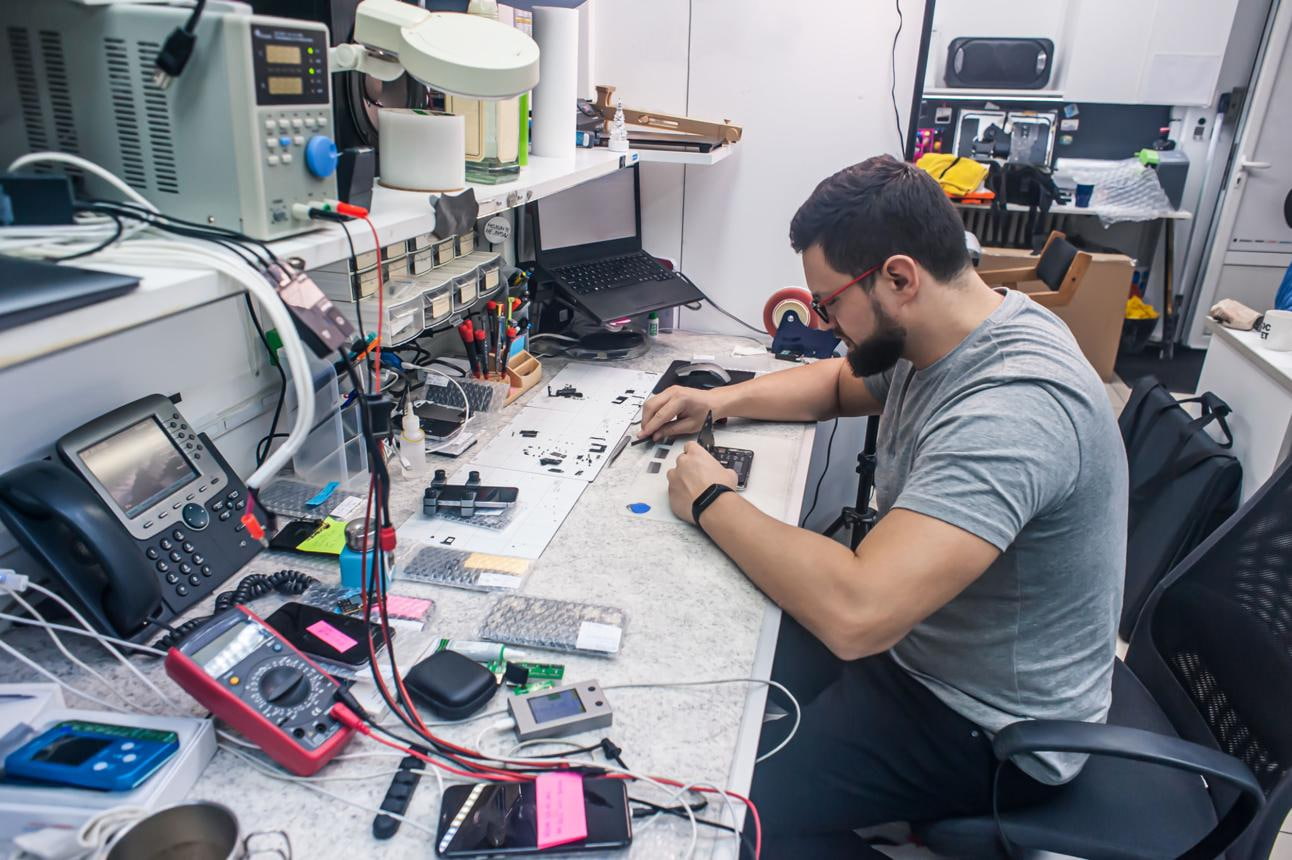
Ljubljana: The broken washing machine that once headed straight for the scrapyard now comes with a fresh set of options. A deadline that fell at the end of July required every member state to write the bloc’s repair rights directive into national law, handing households a route to fix everyday goods instead of replacing them.
The rules, adopted in 2024, oblige manufacturers to repair a defined list of products when a consumer asks, even after the ordinary guarantee has lapsed. The list covers the appliances that fill most kitchens and utility rooms, including washing machines, dishwashers, refrigerators, vacuum cleaners, smartphones and tablets. Makers must carry out the work at a reasonable price and cannot lean on contract terms, software locks or hard-to-source parts to steer customers toward a new purchase.
There is a sweetener for buyers who claim a repair inside the warranty period. Rather than resetting the clock, a repair now extends the guarantee by a further twelve months, a nudge meant to make fixing the default choice over replacing. The Commission set out the practical detail in its guidance on the new consumer rights, framing the measure as both a cost saving and a waste cut.
The logic runs beyond any single kitchen. Europe throws away vast tonnages of electrical and electronic goods each year, much of it repairable, and each discarded device carries embedded metals, plastics and energy that a repair would preserve. Keeping products in use longer trims the demand for raw materials, a pressing concern as the bloc scrambles to secure the critical minerals that power its factories.
The repair push arrives alongside a broader tightening of the rules on what happens to waste once it is created. A revamped regulation on waste shipments took effect in the spring, curbing the export of rubbish and, from November, banning shipments of plastic waste to countries outside the wealthy OECD club. The intention is to force Europe to process more of its own discards rather than shipping the problem abroad.
Industry has met the changes with a mix of compliance and complaint. Larger manufacturers say they already run repair networks and spare-parts systems, so the directive mostly formalises existing practice. Smaller producers warn about the cost of stocking parts for years and training technicians, expenses they expect to pass on. Independent repair shops, by contrast, welcome a law that hands them a bigger role and pries open access to the manuals and components they once struggled to obtain.
The Commission is not done. It has signalled a Circular Economy Act during 2026 that would try to build a genuine single market for secondary materials, so that recycled metal or plastic moves as freely as the virgin kind. Whether the repair rules bite will depend on enforcement, on whether consumers actually use their new leverage and on whether prices for a fix fall far enough to beat the temptation of a shiny replacement.