Eindhoven: The chip and quantum startups clustered around this Dutch technology hub have a fresh pot of European money to aim at, and a clearer sense of what the Union wants them to build. The European Innovation Council has opened its 2026 work programme, steering more than a billion euros toward strategic technologies and the young firms trying to scale them into industrial players.
The Council exists to plug a stubborn gap. Europe produces world-class science but has long struggled to turn it into large companies, watching promising deep-tech ventures drift to American or Asian investors for the capital to grow. The Council blends grants with direct equity to keep them rooted on the continent.
This round sharpens that mission. The flagship Accelerator, aimed at single companies with breakthrough ideas, carries a substantial open budget alongside targeted challenges in fields the Union treats as strategic. Semiconductor and quantum components sit high on that list, tied directly to the goals of the European Chips Act.
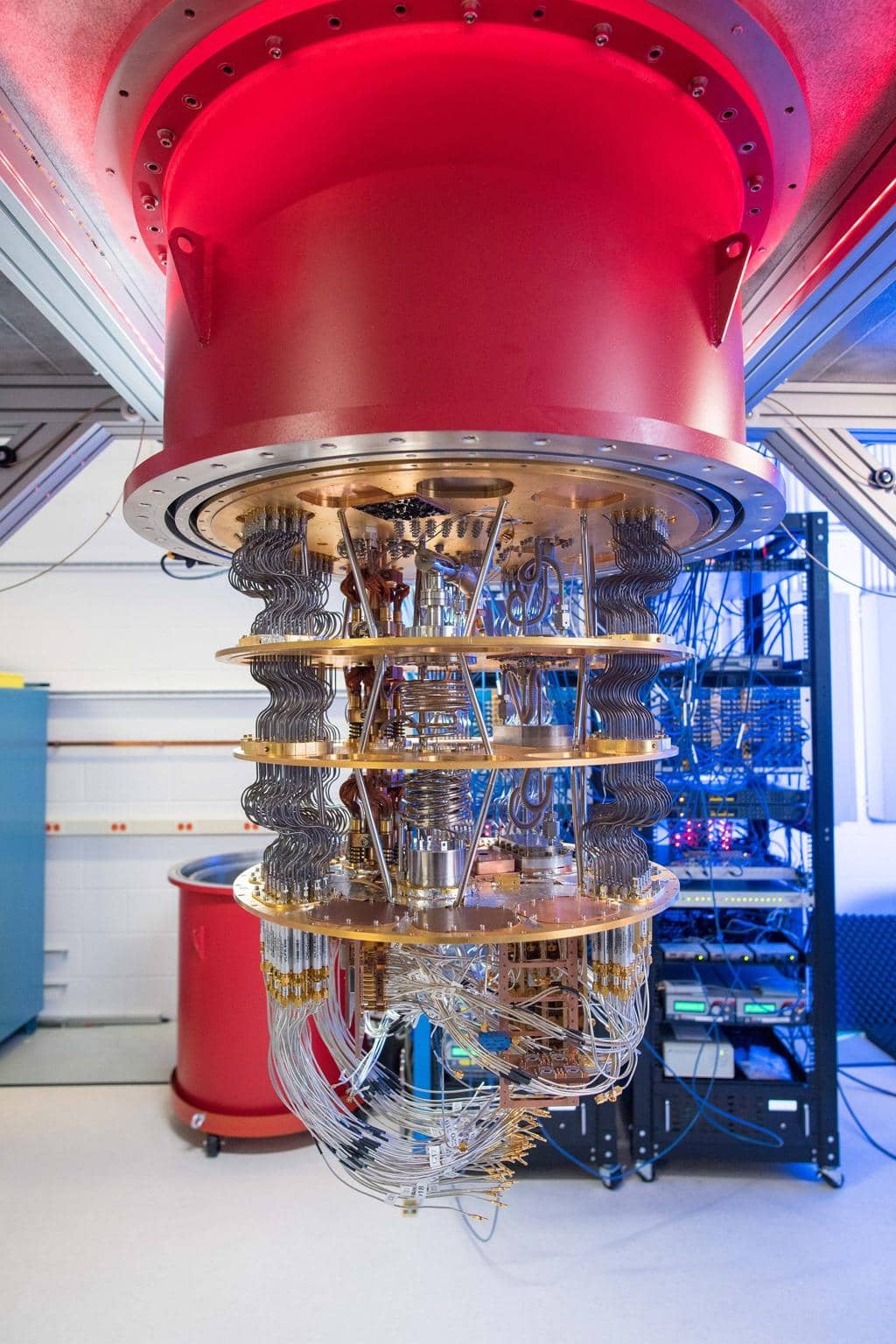
The quantum focus reflects a hardening view that the technology has left the laboratory. Firms working on quantum sensing, computing and the specialised chips that underpin them can seek support to move from prototype to pilot line, the stage where funding gaps have historically killed European contenders.
Deep-tech founders welcome the equity component in particular. A grant funds research, but a stake alongside private investors signals confidence and helps crowd in the far larger sums a chip fabrication line or a quantum venture needs. Recent rounds have backed startups in exactly these niches.
Not everyone is convinced the model moves fast enough. Applicants complain about long evaluation cycles and heavy paperwork, and some warn that spreading money across many priorities risks diluting the impact. The Council has tried to answer with more frequent cut-off dates so promising firms wait months rather than a year for a decision.
The wider stake is strategic autonomy. Europe wants to make more of its own advanced chips and command a share of the quantum race rather than depend on suppliers abroad, and public backing for scale-ups is one lever it can pull. The Council sets out the funding tracks in its 2026 work programme and the detailed terms on its Accelerator pages.
For the ventures eyeing the money, the appeal is simple. A billion-euro signal tells private capital that Europe intends to back its own deep-tech champions, and the firms that win support gain both cash and a stamp that opens other doors.