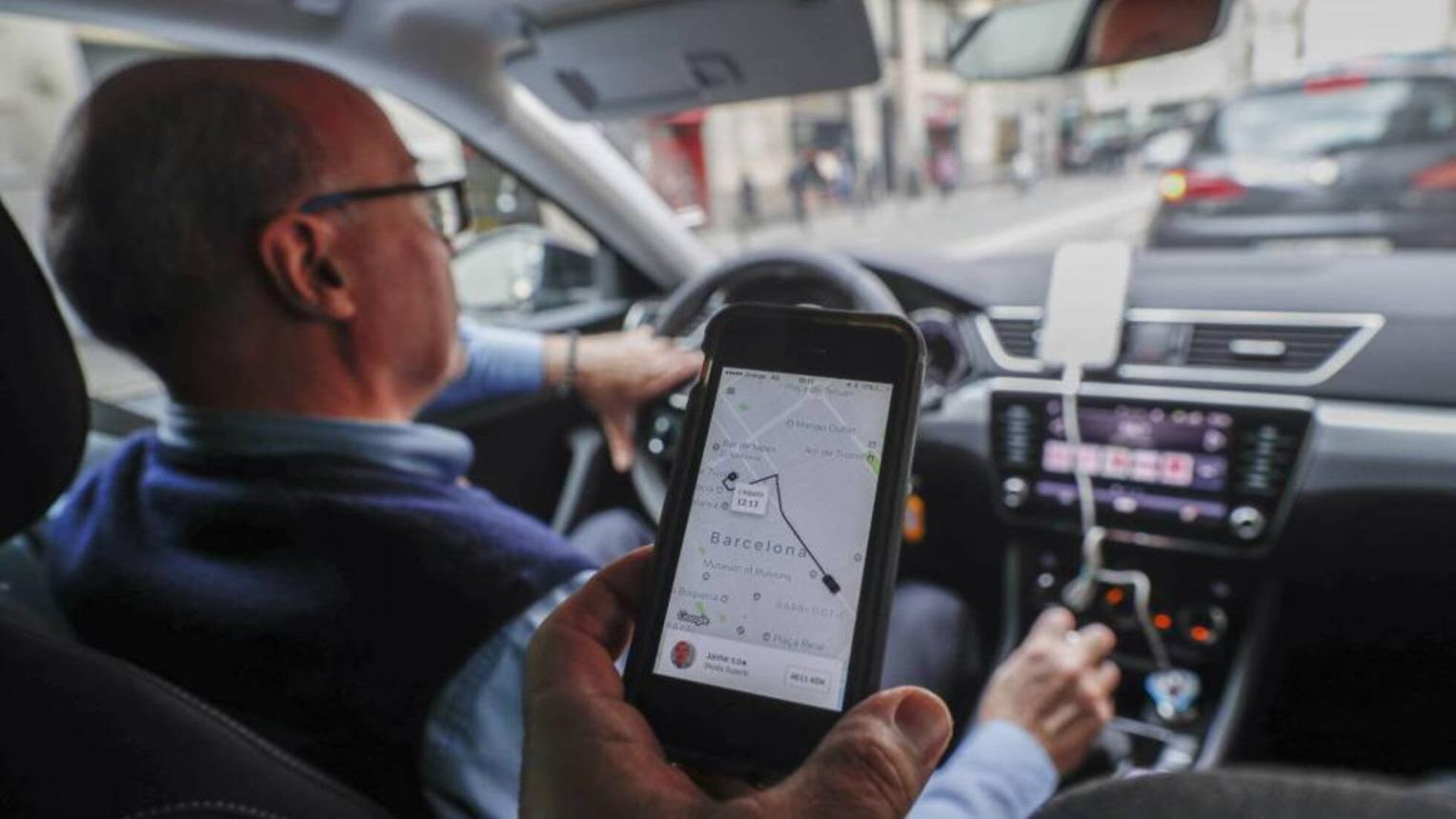
Brussels: The EU’s platform work rules now face a hard test, as every member state must write Directive (EU) 2024/2831 into national law by 2 December 2026. The Commission adopted the measure to end the long-running guessing game over whether a courier, driver or delivery rider is an employee or a genuine freelancer.
The directive builds on a simple idea. Where the facts of the relationship point to employment, national law must presume one exists, and the platform, not the worker, carries the burden of proving otherwise. That reversal matters, because until now individual riders had to fight costly legal battles to win recognition as employees.
Governments in Paris, Berlin, Rome, Madrid and The Hague are expected to transpose the rules strictly, while several smaller economies may draw the line more narrowly. The result, lawyers warn, will be a patchwork of national regimes that companies operating in many countries must navigate through 2027 and beyond.
Roughly 28 million people already earn money through digital labour platforms across the bloc, and the Commission expects that figure to keep climbing toward 43 million. Misclassification has left many of them without sick pay, holiday entitlement or pension contributions, even as apps set their hours, routes and pay rates.
The law reaches well beyond employment status. Platforms will have to tell workers how their algorithms allocate jobs, price rides and suspend accounts, and a human must review the most important automated decisions. Firms can no longer process certain sensitive personal data, such as a worker’s emotional state or private conversations, to manage the workforce.
Employers’ groups argue that heavy compliance costs and divergent national rules could push some platforms to scale back operations or raise prices for consumers. Trade unions counter that the directive finally puts a floor under a sector that has grown far faster than the law meant to protect the people working in it.
National choices will also shape enforcement. The directive obliges member states to give labour inspectorates and courts the tools to identify bogus self-employment and to impose penalties that actually deter it. In countries where inspection capacity is already thin, campaigners fear the presumption of employment could look strong on paper yet remain weak in daily practice.
National officials are now drafting the fine print that will decide how much bite the text really has. The full legal text sits in the Official Journal, while the Commission’s platform work pages track the state of play. With the deadline four months out, Brussels will watch closely to see which capitals deliver workable rules on time and which fall short.