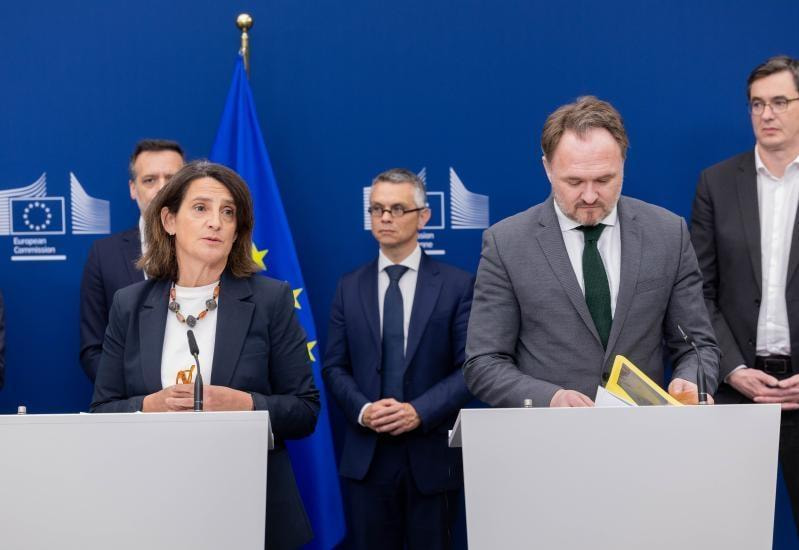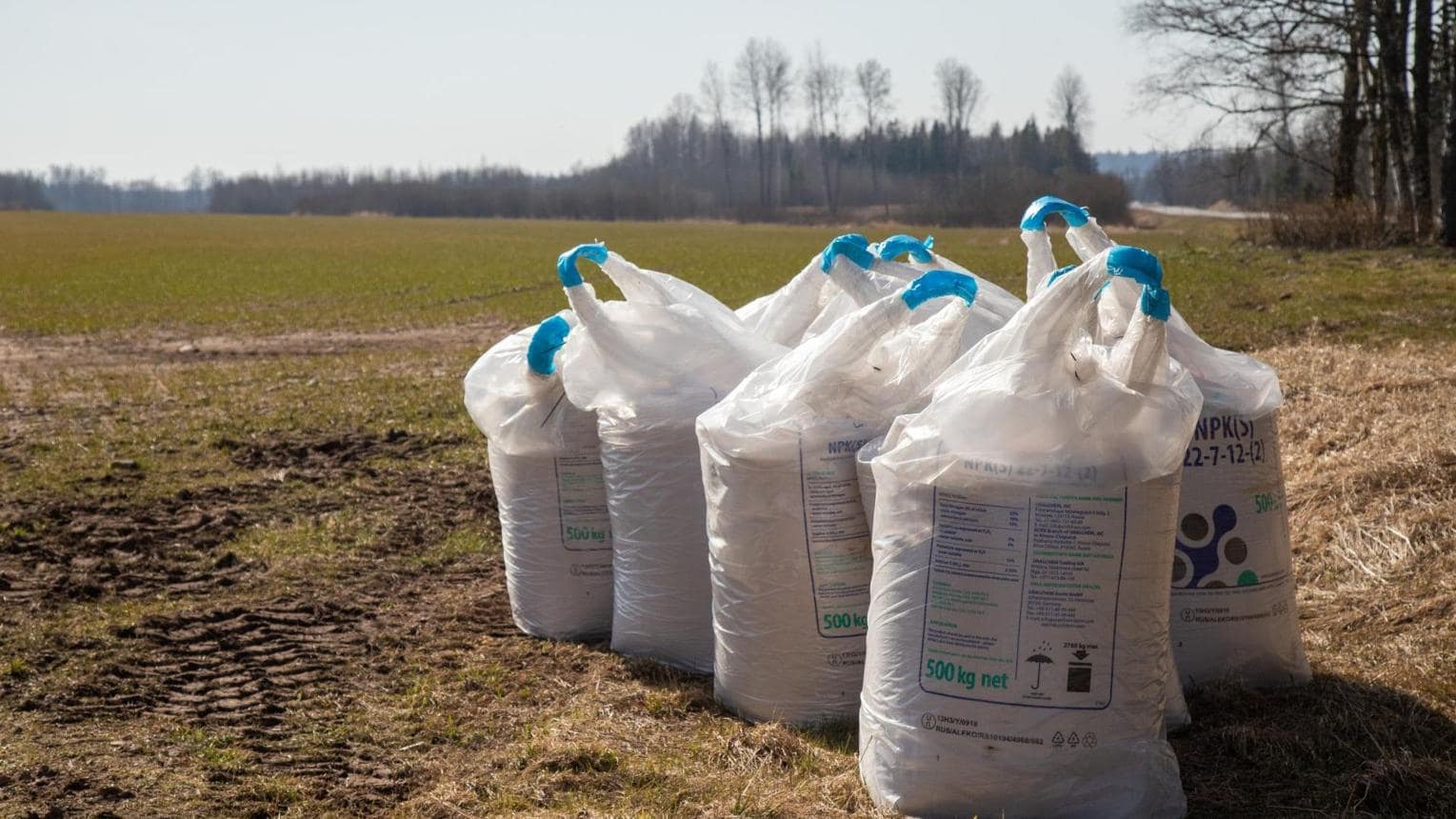
Fertiliser costs have shaped European farm incomes this year more decisively than any argument about the next budget. Nitrogen prices stood roughly 71 percent above the 2024 average by April 2026, and affordability slid back to the level farmers last endured during the 2022 gas shock. The Commission answered on 19 May with a Fertiliser Action Plan, and member states followed on 17 July by approving 540 million euros of relief for producers squeezed by the Middle East crisis.
That money buys time. It does not resolve the contradiction sitting in the middle of the policy.
Parliament approved tariffs on Russian and Belarusian fertilisers in 2025, beginning at 6.5 percent plus 40 to 45 euros a tonne and escalating toward 430 euros a tonne by 2028. Russia supplied around a quarter of the Union’s nitrogen fertiliser, trade worth roughly 1.3 billion euros a year. The strategic case was blunt and largely persuasive. Europe should not finance a war economy while claiming to sanction it, and European plants should not compete against imports priced off gas that Europe itself refuses to buy.
The agricultural consequence was just as predictable. Strip a quarter of supply out of a market and the market tightens, and an escalating schedule guarantees it keeps tightening each season.
Ministers then suspended customs duties for one year on urea and ammonia arriving from other origins, saving farmers an estimated 60 million euros. So the Union now raises duties on one source and cuts them on another to offset the damage. Each decision defends itself well enough. Placed side by side, they describe a policy arguing with its own consequences.
Defenders of the sequence make a fair point. Trade instruments work slowly and industrial capacity takes years to build, so a bridge of cash and temporary suspensions is exactly what a transition period looks like. Nitrogen production runs on gas, European plants idled when gas prices spiked, and no amount of farm subsidy fixes that unless the tariff wall gives domestic producers a reason to restart. On that reading the 540 million is not a contradiction but a cushion.
The weaker part of the argument is the timetable. The tariff escalates on a fixed schedule through 2028, while the relief and the suspension both expire within a year. Farmers therefore face a rising cost with a falling offset, and nobody has yet explained what replaces the cushion in 2027.
Market conditions leave little slack. The Commission’s short-term outlook published in July described robust markets alongside compressed producer margins, higher energy, feed and transport costs, animal disease pressure and trade tension. It forecast real growth of 1.1 percent and inflation near 3.1 percent, with food prices following input costs upward. Analysts collected the data before this summer’s heatwaves hit farms, so the drought damage to spring and summer crops sits outside the published figures entirely.
Winter crops looked comfortable. Spring and summer crops in the dry south did not, and a farmer choosing an autumn nitrogen application does so against next year’s tariff step rather than this year’s harvest.
Smaller holdings absorb the squeeze worst. Large arable operations hedge, buy forward and store, while a mixed farm of eighty hectares buys fertiliser when it needs fertiliser and pays whatever the market asks that week. The Commission’s own affordability workstream concedes the distributional problem without solving it.
Ministers meet again in late September, with the post-2027 policy architecture already dominating the agenda. Farm organisations will arrive asking a narrower question. If nitrogen costs another 430 euros a tonne in two years, who pays, and with what.