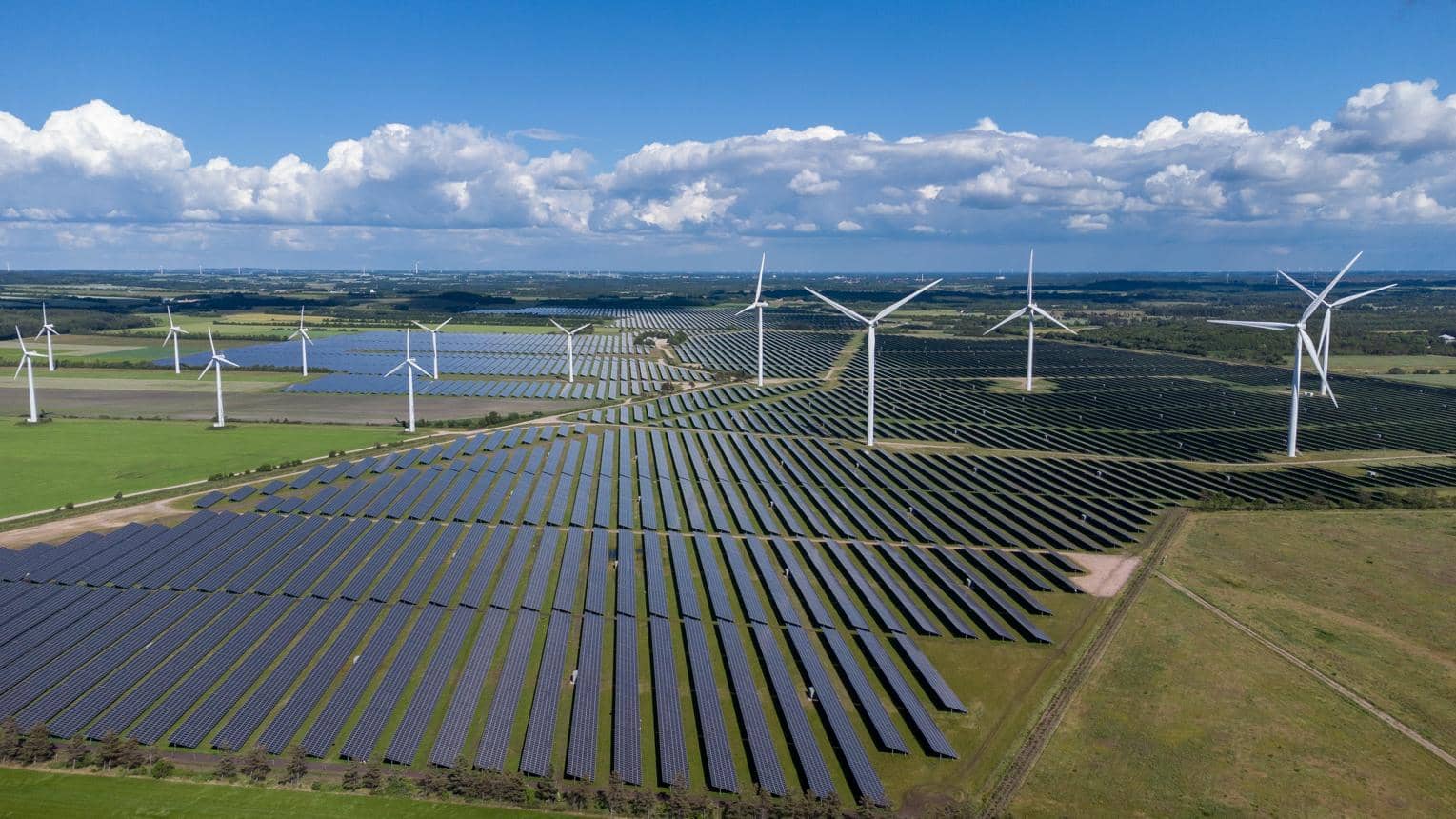
Aarhus: Renewable electricity supplied 54.1 percent of net electricity generation in the European Union in the second quarter of 2026, Eurostat reported on 18 September. The share is slightly below the 54.3 percent recorded in the second quarter of 2025, a dip of 0.2 percentage points.
The headline hides a shift inside the mix. Solar accounted for 41.6 percent of all renewable electricity in the quarter, up from 37.0 percent a year earlier, which makes it the largest single source. Wind followed with 27.7 percent, hydro with 22.6 percent and combustible renewable fuels with 7.7 percent. Geothermal and other sources added 0.4 percent. In short, solar growth is carrying renewable electricity while wind and hydro hold their ground.
National results vary widely. Latvia led with 97.7 percent of its electricity from renewables, mostly hydro and solar, followed by Denmark at 94.3 percent, driven by wind, and Croatia at 92.2 percent, driven by hydro. At the other end, Slovakia recorded 19.8 percent, Czechia 20.9 percent and Malta 24.5 percent. The gap between the top and bottom performers exceeds 75 percentage points, so the EU average conceals very different energy systems.
Readers should treat the figure with care. It measures the share of net electricity generation, not the share of gross final consumption that the Renewable Energy Directive uses to track national targets. That official measure normalises hydro and wind output and applies sustainability criteria to biofuels, so the two numbers differ. The Eurostat figure comes from monthly electricity data and describes what power plants actually produced in the quarter.
The release is a Eurostat news article built on the monthly electricity dataset, and it does not report fossil or nuclear shares, so it cannot say what filled the gap left by the small fall in renewables. Analysts will need the full dataset to see whether gas or nuclear generation moved. Eurostat also did not publish prior-year figures for wind and hydro in the article, which limits comparison beyond solar. Still, a share of 54.1 percent means more than half of the electricity generated in the quarter came from renewable sources.
The quarter matters for 2026 policy debates because it shows that a rising solar share can coexist with a flat overall renewable electricity share. Weather plays a part, as hydro and wind output shift from year to year, and Eurostat calls the change a slight decrease rather than a trend. Still, the data give ministers a clear picture of where renewable electricity stands as the EU weighs grid investment and storage.