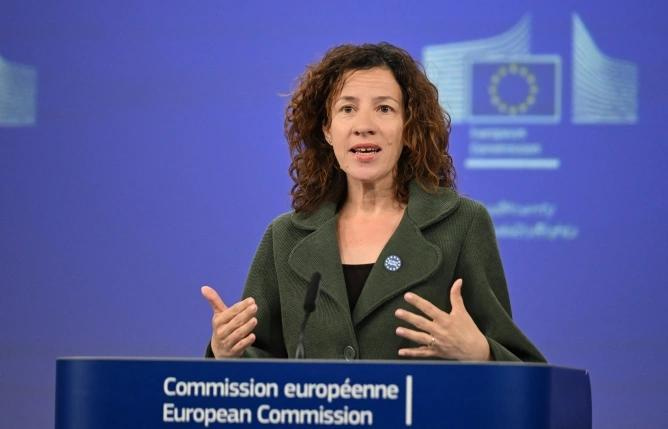
The EU Teachers Agenda, proposed on 5 November as part of the Commission’s new education and skills package, asks member states to treat teacher shortages as a basic skills emergency. Executive Vice-President Roxana Mînzatu presented the package with a stark warning: one in three 15-year-olds in the EU struggles with reading and mathematics, and the trend is getting worse.
The proposal takes the form of a Council Recommendation on the attractiveness of the teaching profession. It asks governments to improve careers, working conditions, initial teacher education and professional development, and to give teachers a say in how they use artificial intelligence in classrooms. Because a recommendation is not binding, the EU Teachers Agenda depends on ministers adopting it and then acting at home.
The numbers explain the urgency. Citing PISA 2025, the Commission says one in three 15-year-olds struggles with reading and maths, one in four struggles with science, and 40% of students attend schools where teacher shortages limit learning. A second Council Recommendation, on reversing the decline in basic skills, covers the pupils’ side and urges reforms, investment, more school autonomy and evidence-based teaching.
Several practical tools accompany the two texts. Teacher Academies 2.0 will start in 2027 for novice teachers and school leaders, with support from EU funds under the National and Regional Partnership Plans. The Commission also wants to scale up to 100 European School Alliances a year in the next long-term budget, and from 2027 a network of advisory and support services will run 30 regional services funded by Erasmus+. These measures give the EU Teachers Agenda its practical backbone.
Artificial intelligence runs through the package. A communication titled Stronger education foundations for all in the age of AI, COM(2026) 770, sets the frame, and the Commission plans reference outcomes for AI literacy and a European Healthy Screens Pledge. Eurostat figures cited by the Commission show that 64% of 16- to 24-year-olds already use generative AI, so classrooms are adapting to a technology that pupils adopted first.
Money remains the open question. The published material gives no overall euro figure, and the vocational part of the package, including the European VET Strategy 2026-2030, ties several measures from 2028 to the proposed European competitiveness fund, which negotiators have yet to settle. The EU Teachers Agenda therefore arrives without a price tag. The Council has set no timetable for adopting the two recommendations.
Teachers will judge the EU Teachers Agenda by whether salaries, workloads and training places change in their own schools. Education stays a national competence, so the package can set goals, share evidence and fund pilots, but ministers in 27 capitals must deliver the results. If they do, the EU Teachers Agenda could become the first EU-level plan to treat the teaching profession as a pillar of competitiveness.