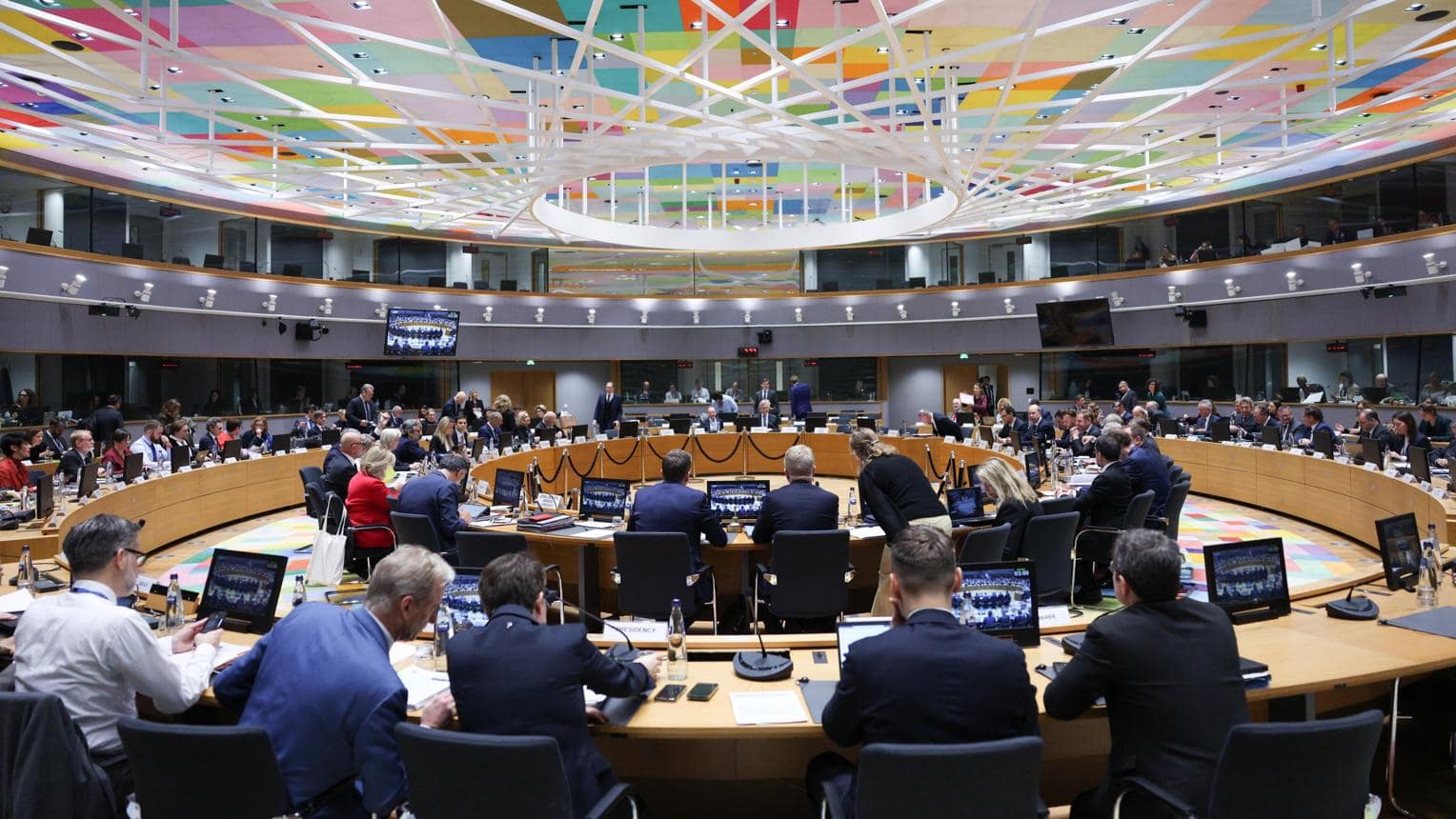
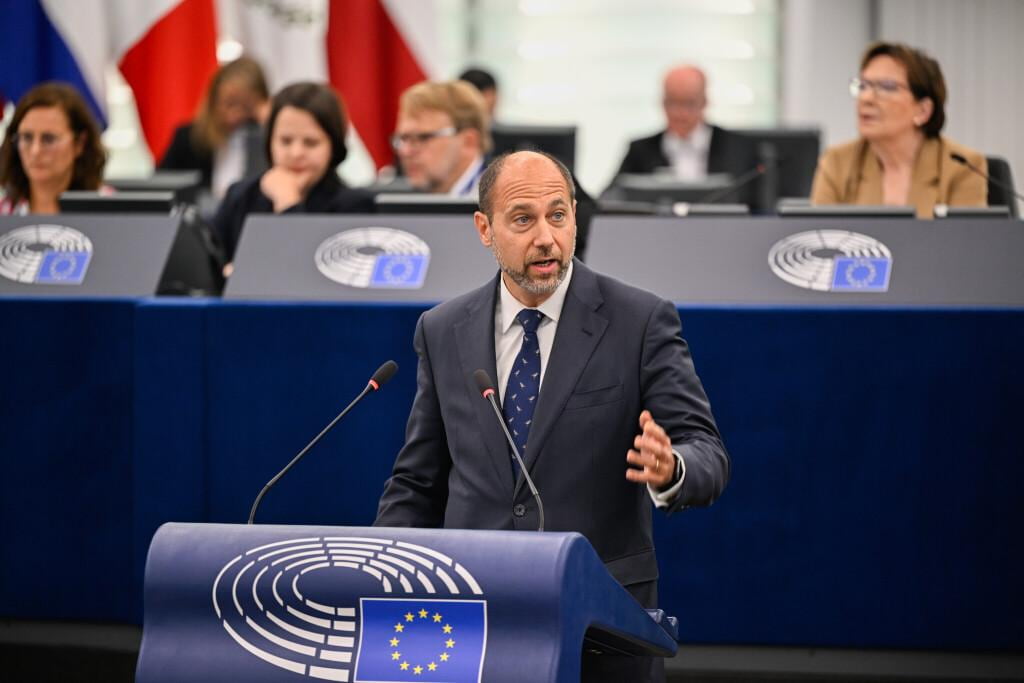
The long-term EU budget for 2028 to 2034 is heading into its decisive stretch, with the Council aiming for agreement by the end of 2026 so that spending can start on 1 January 2028. The Commission proposed about €1.82 trillion in July 2025, equal to 1.26 percent of gross national income. Governments and Parliament now disagree on its size, its structure and how to pay for it.
Parliament has set out the most expansive position. It voted 370 to 201 on 28 April 2026 for a ceiling of 1.27 percent of gross national income, excluding debt repayment costs, which Euronews says would add about €197 billion at current prices to the Commission’s plan. MEPs also want earmarked lines for farming, cohesion, the European Social Fund and home affairs.
The Council has moved in the opposite direction. Its negotiating box of 11 June 2026, drawn up by the Cyprus Presidency, put figures on the table for the first time: a commitments ceiling of €1,730.2 billion in 2025 prices, about 2 percent below the Commission proposal, according to the eucrim analysis. Parliament’s rapporteurs rejected that cut on 16 June.
Structure is the second fault line in the long-term EU budget talks. The Commission wants to merge cohesion and farm funds into one national and regional partnership plan for each country, and it cut the number of programmes from 52 to 16. On 16 June the Council backed one comprehensive plan per member state in a partial general approach, whereas Parliament wants a reinforced Common Agricultural Policy and separate lines. The Committee of the Regions has asked for a subsidiarity clause to reject overly centralised plans.
Member states are split along familiar lines over the long-term EU budget. Eucrim describes modernisers such as Germany, Austria and the Netherlands facing friends of cohesion, mostly southern and eastern states. Chancellor Friedrich Merz asked on 14 May for a radically streamlined structure and rejected new European debt, and Euronews notes that frugal capitals want a cap nearer 1.1 percent of gross national income.
Money to repay NextGenerationEU adds pressure. The Commission folds about €168 billion of grant repayment into the long-term EU budget, while Parliament wants those costs kept outside the ceilings. Parliament also backs new own resources worth more than €60 billion a year, including a digital services levy and an online gambling levy, but the Council’s negotiating box does not mention the sources Parliament proposed.
My sources stop in late June 2026, and I could not confirm what the October European Council decided. The European Council asked the Irish Presidency on 19 June to advance the negotiating box before that meeting, so the latest state of play should be checked against the Council’s own conclusions. Some Euronews figures rest on a single report.
Three markers will show whether the long-term EU budget can close in December. The first is a Council figure that Parliament can live with, the second is a compromise on the partnership plans and the separate farm and cohesion lines, and the third is a deal on NextGenerationEU repayment and new own resources. If those fall into place, the long-term EU budget could be ready for 2028; if not, the start date will come under pressure.