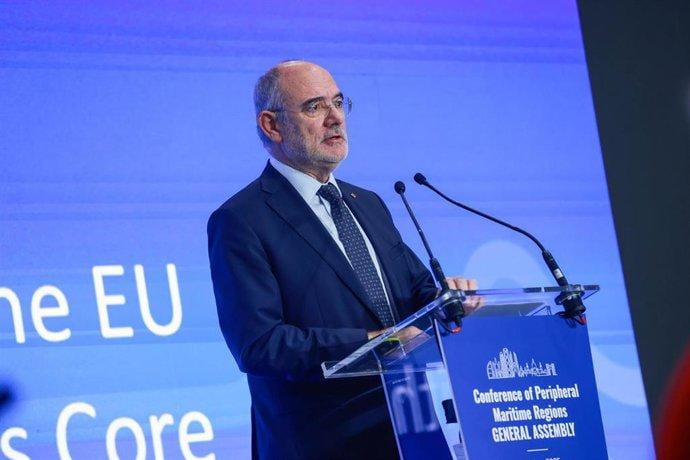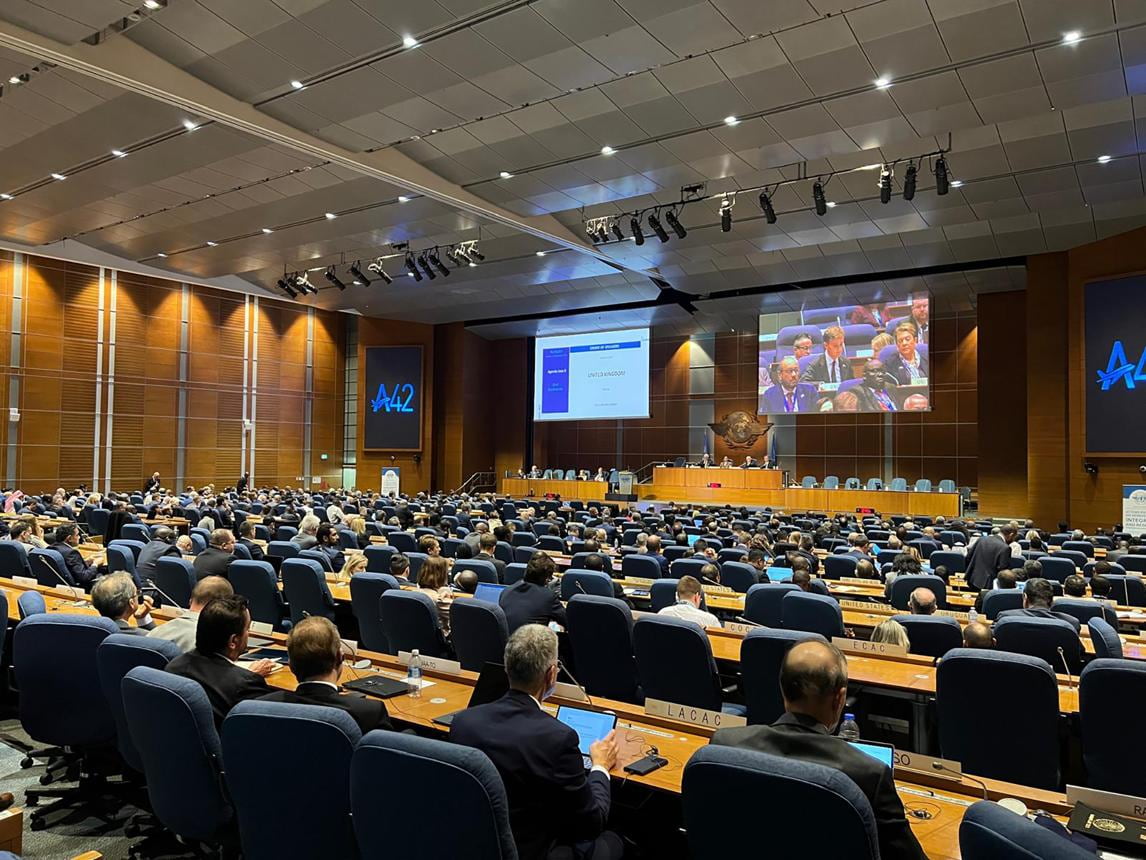
Montreal: Saudi Arabia led a Gulf push against the European Commission’s aviation emissions trading plan at a global aviation gathering in Montreal that closed on Friday 20 November 2026. Riyadh urged members of the International Civil Aviation Organization to keep CORSIA, the UN offsetting scheme, as the only carbon rulebook for international flights. Kuwait, Qatar and Egypt backed the call, while several European delegations defended Brussels.
The clash matters because the Commission wants its aviation emissions trading rules to reach well beyond Europe’s borders from 2029. Under the proposal tabled on 17 July 2026, the EU Emissions Trading System would cover flights departing EEA airports for destinations within 5,000 km of Frankfurt. That radius takes in hubs in Turkey, Saudi Arabia and the United Arab Emirates, and it also pulls in business-jet operations to and from the bloc.
The Commission did not choose its aviation emissions trading move lightly. The ETS Directive required it to judge CORSIA’s environmental integrity by 1 July 2026, and it concluded that the global scheme has not yet improved enough. A negative finding obliged Brussels to propose a wider scope. Flights to the United States, China, India, Brazil and Japan stay outside the plan, and inbound flights escape it too.
Qatar went a step further in Montreal and proposed that ICAO run a technical assessment of how EU aviation emissions trading would interact with CORSIA. Supporters of the Saudi line argued that duplicative or extraterritorial schemes raise compliance costs and distort competition between carriers. Reuters reporting from the Montreal meeting notes that ICAO cannot impose rules on its 193 members, yet its positions still shape national regulation.
Airlines have their own grievances with the aviation emissions trading overhaul. IATA said in July it was deeply frustrated and wanted Brussels to strengthen CORSIA instead, although it welcomed a jump in sustainable aviation fuel support to €15 billion for 2029 to 2040. Business aviation groups took their objections to Brussels on 17 November, when the European Business Aviation Association pressed for equal treatment of early SAF adopters and a voice in the coming EU aviation strategy.
Eddy Liégeois, who heads aviation policy at the Commission, told that summit that Brussels wants to cover as many business aircraft operators as possible because private jets emit more per passenger than airliners. Operators warned that a lower reporting threshold of 1,000 tonnes of CO2 a year could add at least 400 companies to the system. Liégeois signalled that ReFuelEU anti-tankering rules may get a second look in 2027.
The Commission’s aviation climate policy page frames the plan as a way to price emissions that CORSIA leaves unpriced. A review clause adds a twist: if CORSIA proves ambitious and successful by 2032, the EU scope would shrink back to intra-European flights.
The aviation emissions trading proposal now needs backing from the 27 member states and the European Parliament before trilogue talks can settle it. Gulf governments have shown in Montreal that they will fight the 5,000 km radius, and that resistance could slow adoption well into 2027.