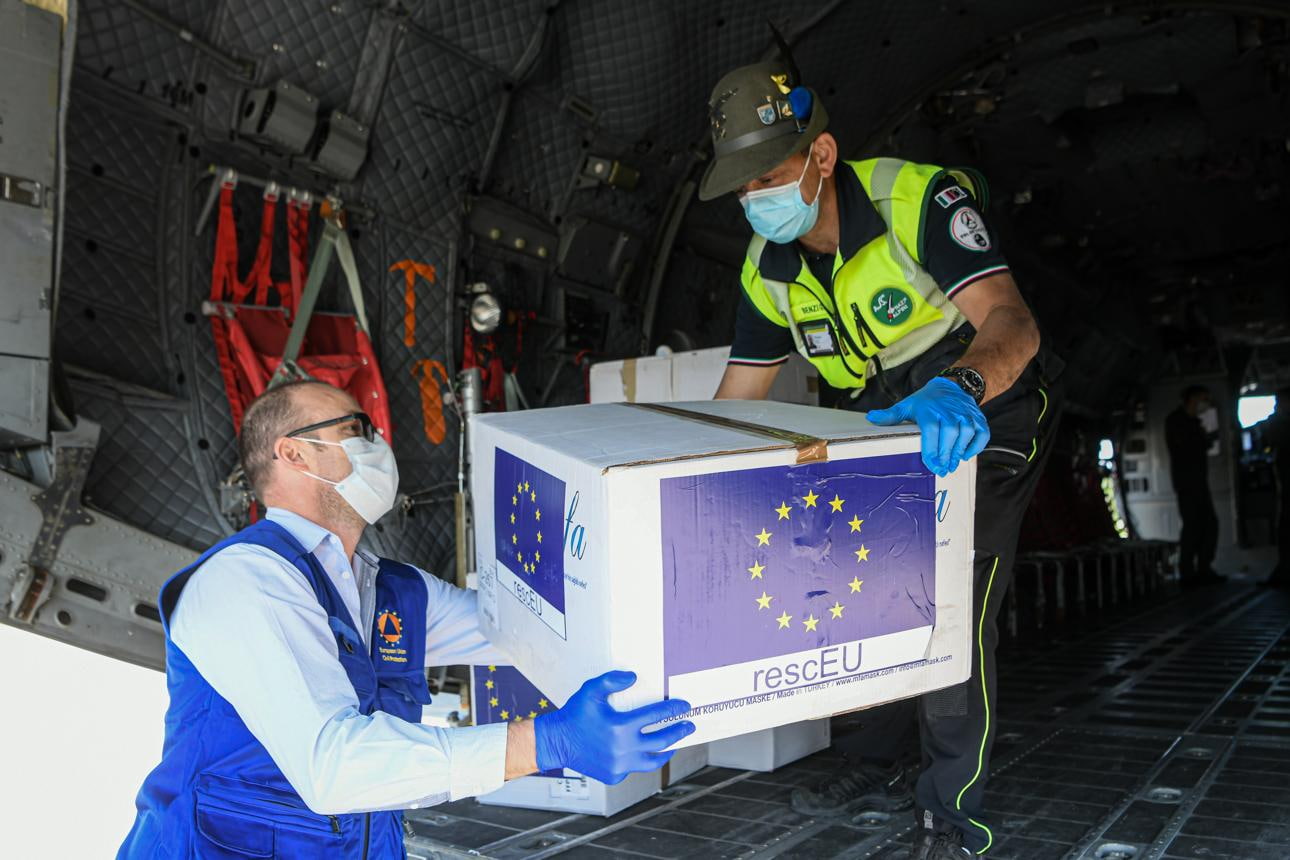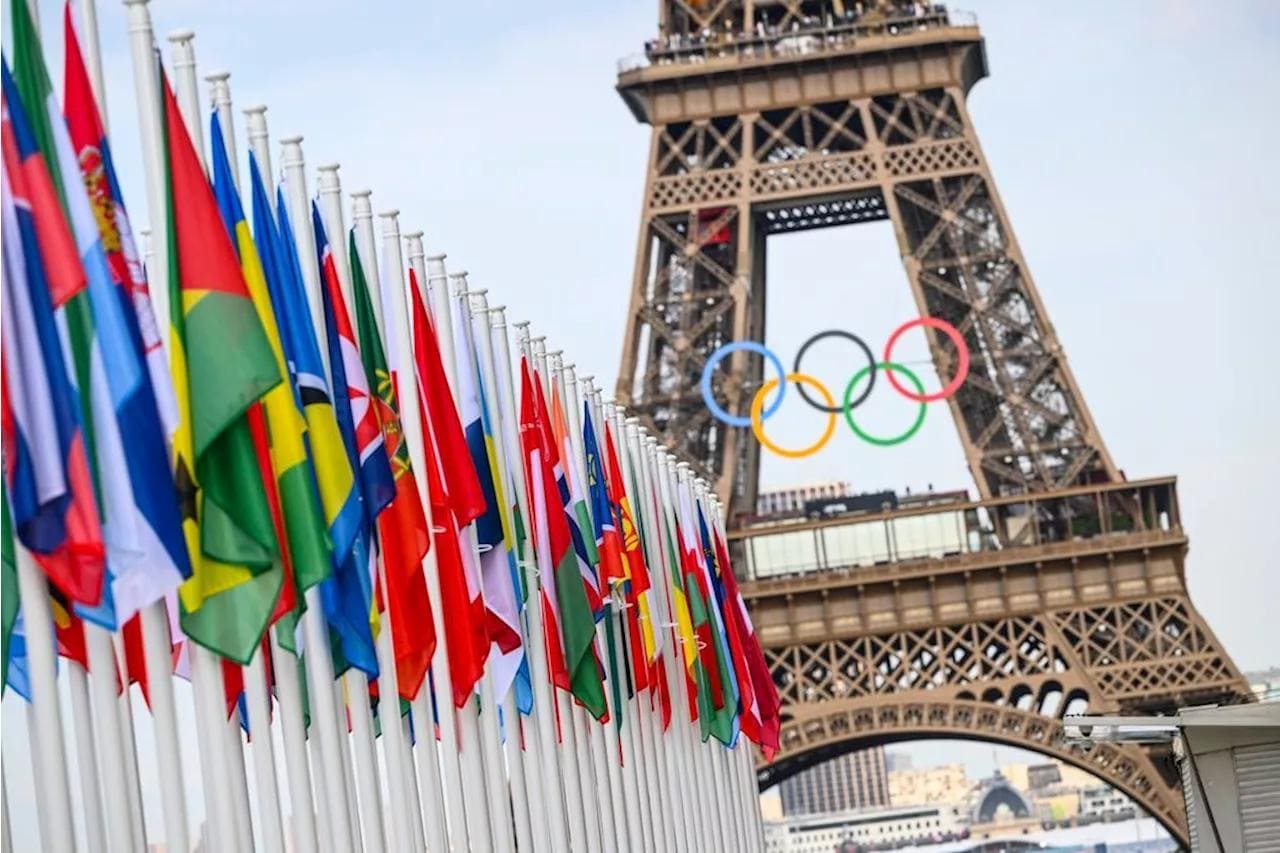
Russian athletes and their path back into international competition dominated the sport session of the Education, Youth, Culture and Sport Council on Friday 20 November 2026, and the 27 ministers left the room without a shared answer. The Irish Presidency had put the question on the table because global sports bodies are now leaning on political neutrality and sporting autonomy to readmit competitors from Russia and Belarus, in some cases under their national symbols.
The timing is no accident. In late June the International Olympic Committee amended the Olympic Charter in ways that could ease a Russian return, and on 7 July it temporarily reinstated the Russian Olympic Committee. That decision, which reopened the door for Russian athletes, turned a long-running argument about neutral participation into a concrete policy problem for European governments that host and fund major events.
Commissioner Glen Micallef used the meeting to criticise the IOC for reversing its earlier protocols. He singled out the IOC and FIFA as the two bodies most aligned with the Kremlin’s position on participation, and noted that the suspension of the Russian Olympic Committee has been lifted under the current IOC leadership. His intervention set the tone for a debate on how far the Union itself can go when sport governance sits largely outside its legal reach.
Ministers looked at a spectrum of tools. Options ranged from tougher restrictive measures under the sanctions framework to changes in visa policy that would decide who can physically enter the Schengen area to compete. On visas for Russian athletes, national practice already diverges sharply, which explains why no common position emerged.
Finland’s minister Mika Poutala summed up the one point of consensus. Every delegation agreed that this is not the moment for Russia to return with its flag, symbols or anthem. Beyond that, the picture fragments. Finland and Sweden apply strict visa rules and admit no Russian competitors at all, yet even these two neighbours differ on how to treat athletes who compete under a neutral banner. Poutala said he expects the Commission to table an EU-level visa package in the coming week.
The foreign policy track points in the same direction. In October, High Representative Kaja Kallas told foreign ministers that the European External Action Service and the Commission would prepare proposals to keep Russia isolated in global sport, running in parallel with further sanctions on those who destroy Ukrainian cultural heritage. She warned that sport and culture must not become vehicles for whitewashing Russian aggression.
The legal constraint is real. Sport is a supporting competence under Article 165 of the Treaty, so the Union cannot dictate entry lists to federations. What it controls is the border and the sanctions regime, and that is where the pressure on Russian athletes is now shifting. A visa-based approach would let member states act together without overriding the autonomy that federations jealously guard.
The stakes rise with the calendar. Qualification cycles for the 2028 Los Angeles Olympics and major continental championships are already under way, and organisers in EU host cities need legal certainty months in advance. A patchwork of 27 national visa rules would leave event promoters exposed and invite forum shopping by federations.
For now the Council has a diagnosis rather than a cure, and Russian athletes remain in a legal grey zone that differs from one capital to the next. The upcoming Commission visa proposal will show whether a common line on Russian athletes can hold once it moves from political statements to binding entry rules, and whether capitals that admit neutral competitors are willing to give ground.