November 23, 2026
LATEST
Uzbekistan Critical Minerals Draw European Buyers Seeking Local ValueMiddle Corridor Talks Put Kazakhstan at the Heart of EU ConnectivityPublic Transport Use Trails the Car for Most EuropeansConsent-Based Rape Definition Still Missing From EU LawCorruption Listings Under EU Magnitsky Act Gain MEP PushCereal Harvest Drop of 9.6% Puts Maize and Food Prices on WatchGulf of Guinea Maritime Security Funding Climbs to €31 MillionMedusa Submarine Cable Extension Links Jordan to EU ScienceHousing Exclusion Tops Agenda as Ministers Convene in DublinGender Equality Strategy Faces Ministers’ Scrutiny in TraleeMission Ocean and Waters Backs 17 New Projects With €119 MillionLead Gunshot Ban Under REACH Gives EU Hunters Until 2033 to SwitchVenezuela Sanctions Debate Returns as Caracas Reform Talks Grind OnIndia EU Free Trade Agreement Heads Toward a December Signing PushDutch Chip Equipment Export Curbs Cloud the EU-China Trade ThawCanada’s Associate Membership Model Tempts Japan, Korea and AustraliaAustralia Seals Horizon Europe Association as Trade Deal StallsChinese Overcapacity Fight Needs Horizontal Trade Tools, MEPs InsistCohesion Policy Simplification Leads Ministers’ Talks on 2028 FundsCernavodă Nuclear Plant Overhaul Gets €400 Million EIB BoostUzbekistan Critical Minerals Draw European Buyers Seeking Local ValueMiddle Corridor Talks Put Kazakhstan at the Heart of EU ConnectivityPublic Transport Use Trails the Car for Most EuropeansConsent-Based Rape Definition Still Missing From EU LawCorruption Listings Under EU Magnitsky Act Gain MEP PushCereal Harvest Drop of 9.6% Puts Maize and Food Prices on WatchGulf of Guinea Maritime Security Funding Climbs to €31 MillionMedusa Submarine Cable Extension Links Jordan to EU ScienceHousing Exclusion Tops Agenda as Ministers Convene in DublinGender Equality Strategy Faces Ministers’ Scrutiny in TraleeMission Ocean and Waters Backs 17 New Projects With €119 MillionLead Gunshot Ban Under REACH Gives EU Hunters Until 2033 to SwitchVenezuela Sanctions Debate Returns as Caracas Reform Talks Grind OnIndia EU Free Trade Agreement Heads Toward a December Signing PushDutch Chip Equipment Export Curbs Cloud the EU-China Trade ThawCanada’s Associate Membership Model Tempts Japan, Korea and AustraliaAustralia Seals Horizon Europe Association as Trade Deal StallsChinese Overcapacity Fight Needs Horizontal Trade Tools, MEPs InsistCohesion Policy Simplification Leads Ministers’ Talks on 2028 FundsCernavodă Nuclear Plant Overhaul Gets €400 Million EIB Boost

Gulf of Guinea Maritime Security Funding Climbs to €31 Million

Douala: The Council of the EU raised its Gulf of Guinea maritime security support from €21 million to €31 million on 16 November 2026, giving coastal navies along West Africa’s busiest shipping corridor a further €10 million from the European Peace Facility. Ministers adopted the change in Brussels to extend a measure that first took shape in November 2023, and the money now runs on a much longer timetable.

The legal text, Council Decision (CFSP) 2026/2554, amends Decision (CFSP) 2023/2682 and lifts the financial reference amount to EUR 31,000,000. It also stretches the measure’s duration to 67 months from the date of adoption. The Political and Security Committee had already backed the €10 million reallocation on 28 May 2026, when it reviewed spare funds in the facility’s assistance-measures pillar.

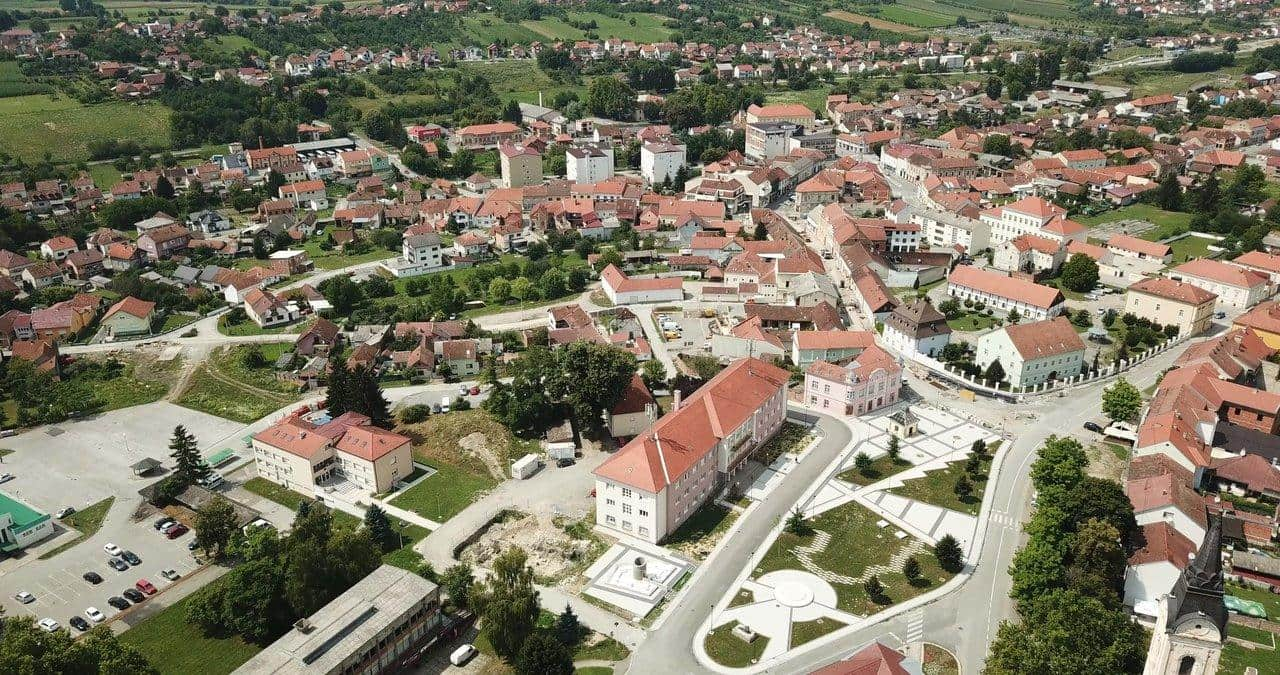
Cameroon sits at the operational heart of this Gulf of Guinea maritime security package. The Cameroonian navy’s National Maritime Operations Centre in Douala processes surveillance data from a manned aerial asset, and the amended decision now funds those intelligence, surveillance and reconnaissance flights for two years. Douala then shares the picture with the other regional and maritime coordination centres through the Yaoundé Architecture Regional Information System.

That network matters because the Yaoundé Architecture, created in 2013, is the framework that Gulf of Guinea states use to prevent, detect and respond to threats at sea. Piracy, armed robbery, illegal fishing and trafficking have all tested its reach. By paying for shared awareness rather than one national fleet, Brussels hopes to strengthen Gulf of Guinea maritime security across the whole regional system.

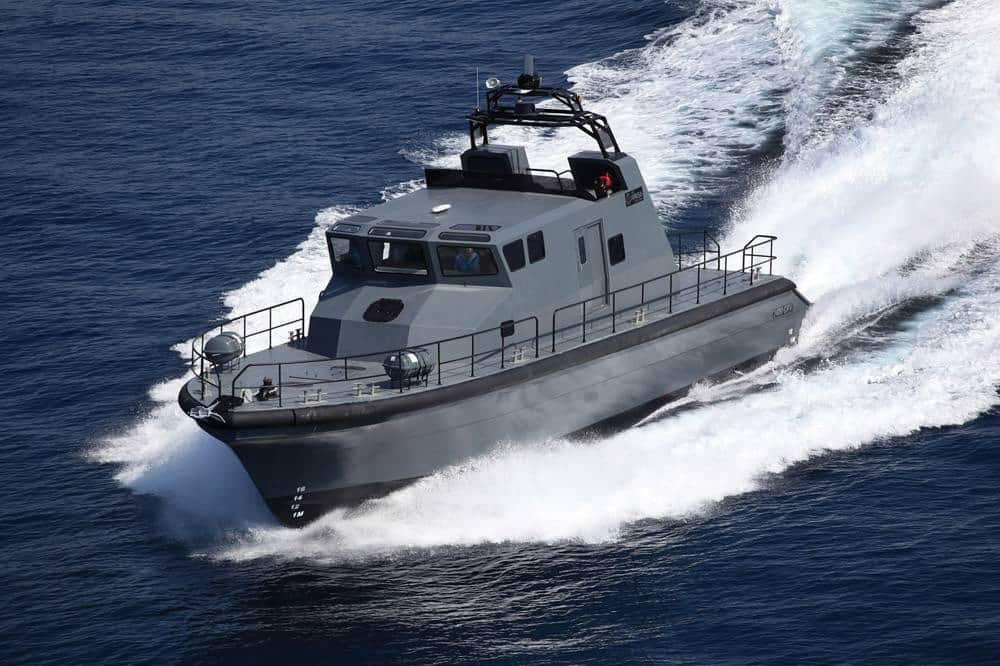
The original 2023 measure channelled support to the Yaoundé Architecture and to the navies of Ghana and Cameroon. According to public summaries of that decision, it financed non-lethal equipment such as patrol boats, drones, diving gear and aerial surveillance. The Gulf of Guinea maritime security objectives stay unchanged in 2026: better maritime situational awareness and more capacity for selected coastal navies to patrol the high seas.

The top-up also fits a wider European push in the region. In June 2026 the Council adopted a separate €5 million European Peace Facility measure for the Togolese Armed Forces, aimed at the Togolese navy’s maritime capacity in the same waters. Together, the two decisions show the EU treating the Gulf of Guinea as a security priority alongside its eastern neighbourhood.

The European Peace Facility, set up in March 2021, finances EU external actions with military or defence implications outside the regular budget. Critics in the European Parliament have long questioned how much oversight MEPs get over such spending. Supporters reply that partner navies need predictable, multi-year funding to keep ships at sea and aircraft in the air.

The EU Gulf of Guinea Security and Defence Initiative provides the political frame for Gulf of Guinea maritime security work. European shipping firms, oil and gas operators and fishing fleets all depend on safe passage through the region. Their supply chains feel the cost whenever attacks force longer routes or higher insurance premiums.

The next test is delivery. Coastal states will judge the extra €10 million by how quickly surveillance flights turn into intercepted vessels and prosecuted crews. If the Douala centre and its partners can show results, the 2026 increase could become a model for longer-term Gulf of Guinea maritime security cooperation between Europe and West Africa.