November 23, 2026
LATEST
Dutch Chip Equipment Export Curbs Cloud the EU-China Trade ThawCanada’s Associate Membership Model Tempts Japan, Korea and AustraliaAustralia Seals Horizon Europe Association as Trade Deal StallsChinese Overcapacity Fight Needs Horizontal Trade Tools, MEPs InsistCernavodă Nuclear Plant Overhaul Gets €400 Million EIB BoostGrounded Flights Mark Belgium National Strike on MondayArmenian Researchers Triple Their Horizon Europe Haul to €10.78mMultimodal Booking Rules Face a Blocking Minority Before 30 NovemberGrid Permitting Deal Caps Rooftop Solar Approvals at Three MonthsWinter Relief for Ukraine Leans on Generators, Buses and BridgesBlack Sea Security Hub Draws €50 Million From a Ten-Partner TableEDPS Europol Ruling Denies Privacy Watchdog Standing to SueUnpaid Carers Await a European Care Deal Promised for 2027Second EU-UK Summit Seals Food, Carbon and Youth PactsDigital Markets Act Compliance Is Cosmetic, BEUC Warns GatekeepersBanking Competitiveness Report Heads to a 1 December ECON ShowdownAviation Emissions Trading Plan Meets Gulf Pushback at ICAO MontrealEPPO Powers Expansion Wins Backing in Joint Committee VoteOceanEye Alliance Reaches 33 Members After COP31 PushRussian Athletes Divide EU Sport Ministers Over Visa CurbsDutch Chip Equipment Export Curbs Cloud the EU-China Trade ThawCanada’s Associate Membership Model Tempts Japan, Korea and AustraliaAustralia Seals Horizon Europe Association as Trade Deal StallsChinese Overcapacity Fight Needs Horizontal Trade Tools, MEPs InsistCernavodă Nuclear Plant Overhaul Gets €400 Million EIB BoostGrounded Flights Mark Belgium National Strike on MondayArmenian Researchers Triple Their Horizon Europe Haul to €10.78mMultimodal Booking Rules Face a Blocking Minority Before 30 NovemberGrid Permitting Deal Caps Rooftop Solar Approvals at Three MonthsWinter Relief for Ukraine Leans on Generators, Buses and BridgesBlack Sea Security Hub Draws €50 Million From a Ten-Partner TableEDPS Europol Ruling Denies Privacy Watchdog Standing to SueUnpaid Carers Await a European Care Deal Promised for 2027Second EU-UK Summit Seals Food, Carbon and Youth PactsDigital Markets Act Compliance Is Cosmetic, BEUC Warns GatekeepersBanking Competitiveness Report Heads to a 1 December ECON ShowdownAviation Emissions Trading Plan Meets Gulf Pushback at ICAO MontrealEPPO Powers Expansion Wins Backing in Joint Committee VoteOceanEye Alliance Reaches 33 Members After COP31 PushRussian Athletes Divide EU Sport Ministers Over Visa Curbs

Canada’s Associate Membership Model Tempts Japan, Korea and Australia

Ottawa: Canadian officials are drafting what could become the European Union’s first associate membership for a country outside the continent. The work follows a meeting at the end of October 2026 in which Prime Minister Mark Carney, European Council President António Costa and Commission President Ursula von der Leyen agreed to lay the groundwork for a much closer political and economic bond.

The partnership will take shape over the coming months with input from member states and the European Parliament, and leaders aim to present it at an EU-Canada summit in June 2027. No legal template yet exists for associate membership by a non-European state. Brussels will have to invent one, balancing access to EU programmes and decision-shaping forums against the treaty rule that only European states can become full members.

Analysts in Brussels already see the Canadian file as a pilot. Philipp Lausberg of the European Policy Centre calls it a test case for a wider Economic Security Alliance with trusted democracies. In his view, the right ambition is a relationship that amounts to EU membership in all but name, with Canada aligned on supply chains, sanctions, research and defence industrial cooperation.

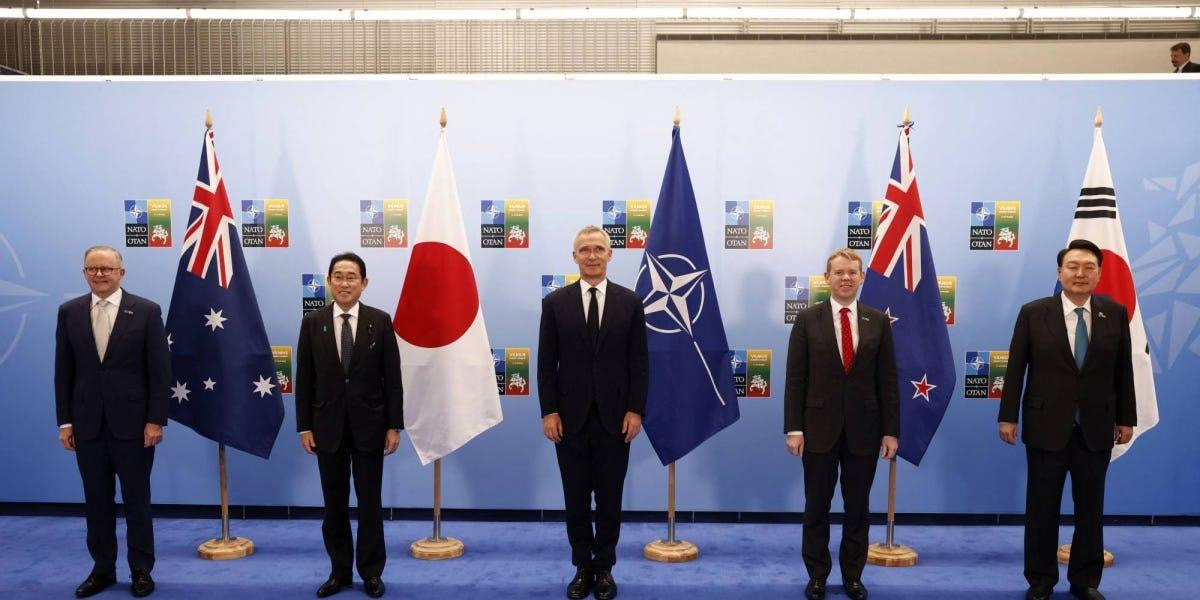
Interest in associate membership does not stop in Ottawa. An EU spokesperson has said the Union would be open to replicating the model with close and trusted partners outside Europe. Japan, South Korea and Australia are the obvious candidates. All three already hold free trade agreements with the EU or have signed one, and Tokyo and Seoul each concluded a Security and Defence Partnership with Brussels in November 2024.

For Asian partners, an associate membership would offer something their current agreements lack: a permanent seat at the table where the EU designs rules on export controls, critical raw materials, investment screening and technology standards. Japan and South Korea face the same pressure from Chinese overcapacity and American tariff policy that Europe does, and both have an interest in shaping common responses before Brussels adopts them.

There are reasons for caution. Tokyo values its strategic autonomy and its alliance with Washington, and it would hesitate before any arrangement that looked like a bloc. Seoul must manage its relationship with Beijing, its largest trading partner. Canberra, meanwhile, is still debating ratification of its trade agreement with the EU, which suggests that deeper political integration would face domestic scrutiny there too.

European politics adds risk to any associate membership plan. Lausberg warns that a victory for Marine Le Pen’s camp in France’s presidential election in April 2027 could stall the project, since a sovereigntist Élysée would be wary of extending Union structures to distant partners. He recommends that Brussels and Ottawa agree on a roadmap before the French vote, and in any case before the June summit.

The coming months will show whether associate membership becomes a practical framework or remains a diplomatic slogan. If the Canadian blueprint works, it could give the EU a flexible way to bind its closest Indo-Pacific partners into a shared economic security order. If it stalls, the idea of associate membership may fade before Japan, South Korea or Australia ever have to decide whether they want it.