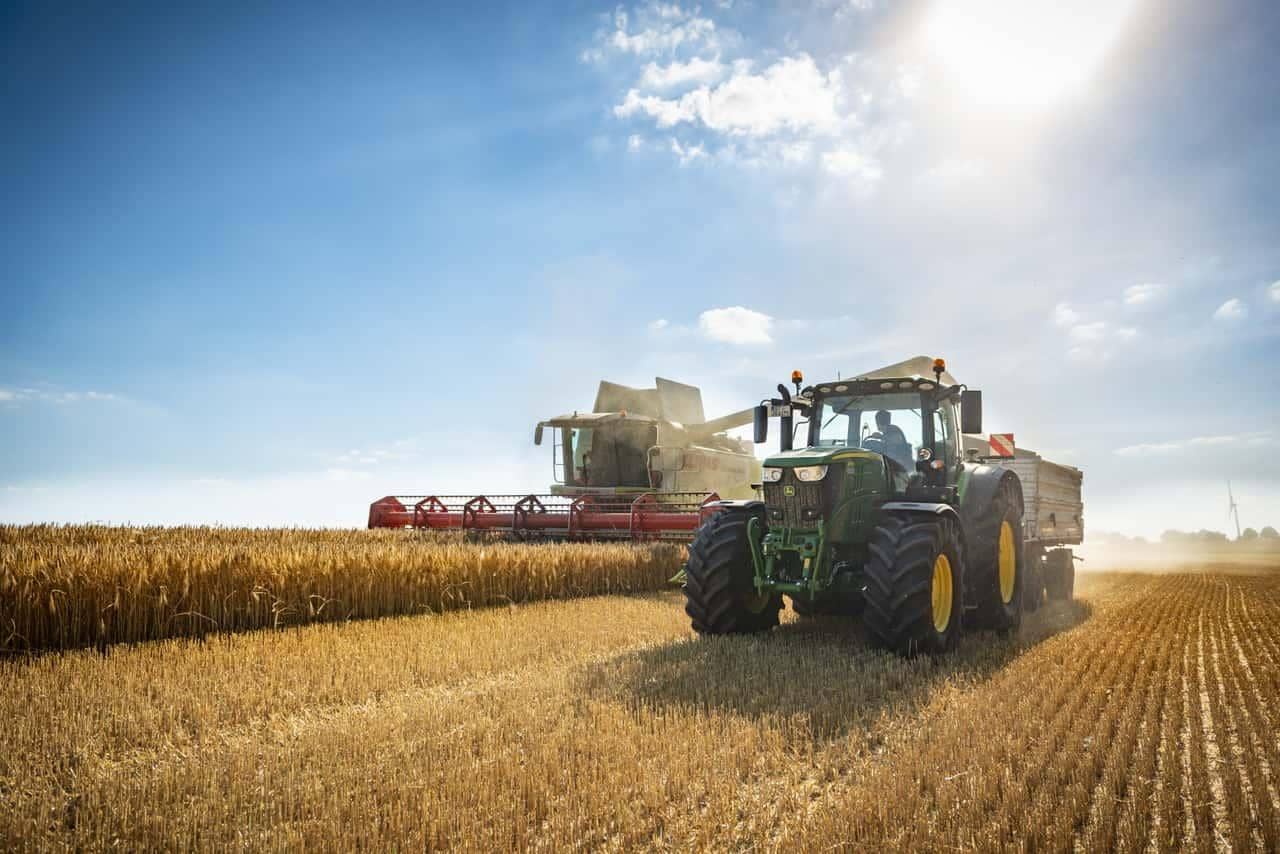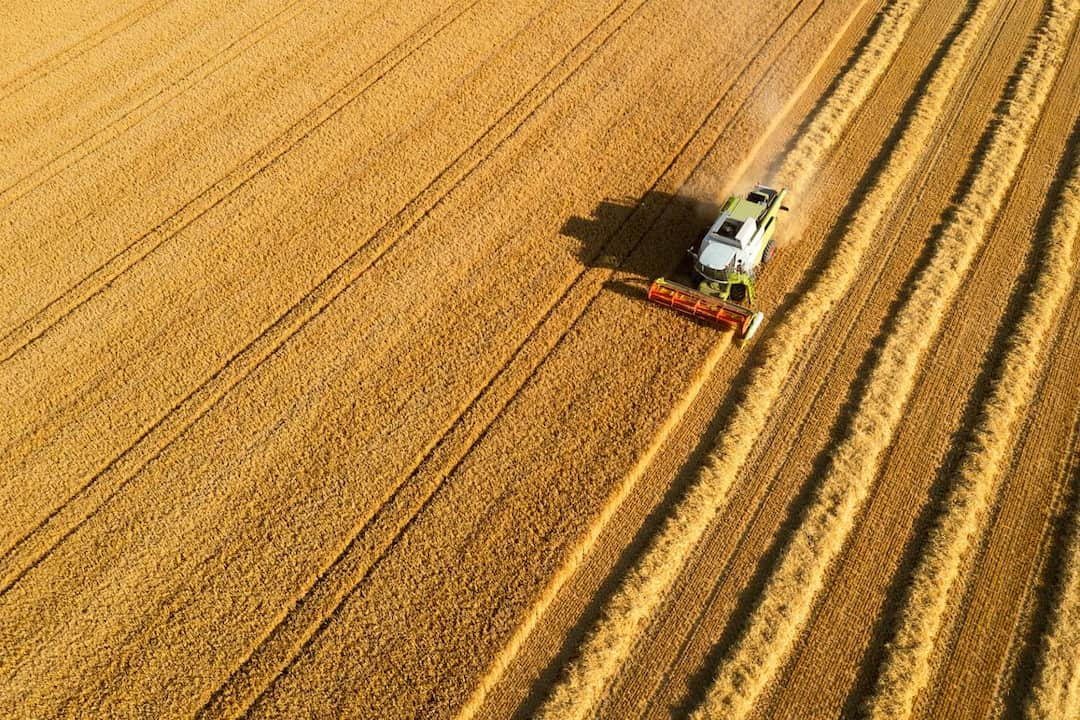
Rue de la Loi: EU agriculture ministers met in Brussels on 23 November 2026 to review a cereal harvest expected to fall 9.6% in the 2026-2027 marketing year, with maize the hardest hit crop. Irish minister Martin Heydon chaired the Agriculture and Fisheries Council, where the Presidency also flagged fragile farm incomes, possible food inflation in 2027 and recent cyberattacks on food cold chains.
The Irish Presidency set out the picture in a market note circulated before the meeting. It said food supplies remain secure in almost all sectors, but farmers struggle to pass rising production costs on to buyers. That squeeze leaves profitability fragile even where output holds up, and a weaker cereal harvest adds to the strain.
The shortfall has knock-on effects beyond arable farms. According to Agence Europe’s preview of the Council, the EU now expects to import more cereals. Livestock producers who rely on the maize share of the cereal harvest for feed could face higher input bills, while millers and processors watch prices closely.
The Commission has also warned that food inflation could rise in 2027. Households across the bloc felt sharp price increases earlier in the decade, and governments remain sensitive to any renewed surge. A smaller cereal harvest does not by itself drive supermarket prices, but it tightens a supply chain that already carries high energy and transport costs.
Russia’s war against Ukraine remains the main external risk. Russian attacks on Ukrainian ports and shipping routes continue to threaten grain flows through the Black Sea. The EU supports a Black Sea Maritime Security Hub and the EU-Ukraine solidarity lanes to keep exports moving, and ministers discussed how far those routes can cushion European buyers.
A newer threat also reached the table. Recent cyberattacks hit refrigeration and freezing systems in supermarkets and food distribution centres. The Presidency said the incidents had no major impact on food security, yet several member states want a coordinated EU response and stronger cybersecurity for the sector.
Ministers handled a crowded list of other items too. Italy, backed by ten member states, called for stronger international protection of geographical indications, while the Commission presented its 2026 annual report on simplification in animal health and welfare. The Presidency reported on the EU Livestock Strategy and the Protein Action Plan, both linked to feed supply.
The Council’s meeting calendar shows the market review as a recurring exercise, but this year the numbers carry more weight. Ministers must balance import needs, farm incomes and consumer prices at the same time as the next Common Agricultural Policy budget is under negotiation.
For now, farmers and food companies will track the 2026-2027 cereal harvest month by month. If imports flow smoothly and Black Sea routes stay open, the EU can absorb the loss. If prices climb, the 9.6% cereal harvest decline could become a central issue in 2027 farm and food policy.