November 26, 2026
LATEST
Road Safety Awards Put Five EU Projects Ahead of 2030 GoalsSection 301 Tariffs Test the 15 percent Ceiling in EU-US TradeNext ECB President Race Reaches Leaders as Costa Opens ConsultationsMEPs Demand an EU Syria Strategy With Reversible Sanctions ReliefLeaders Head Into an EU Long-Term Budget Showdown Over €204bn in CutsArmenia EU Customs Cooperation Opens Fiscalis to YerevanMoldova EU Sanctions Alignment Plan Puts Chisinau on the ClockLUX Audience Award Turns 20 With a Free Cinema TourCost of Living Debate Puts Housing and Wages Before MEPsGoods Trade Deficit of €36 Billion Persists Into Q3 2026Livestock Strategy Wins Ministers’ Support With Profit ConditionsShark Finning Rules Tighten as ICCAT Backs an EU-US Plan in PortugalSovereign Tech Equity Fund Puts €50 Billion Behind Quantum and AIHybrid Vehicle Import Quotas Hit China, Japan and Türkiye in DecemberPan-European Journalism Projects Share €16.6 Million From BrusselsJoint Clinical Assessment Turns to PRIMA Retinal ImplantAgri-Food Trade Surplus Climbs to €39.6 Billion by SeptemberQuantum Act Puts Europe’s Lab Strength to a Market TestE5 Negotiating Team Leaves Kallas Outside the Room on Ukraine PeaceEstonia Border Closure Seals Final Road Links to Russia on 1 DecemberRoad Safety Awards Put Five EU Projects Ahead of 2030 GoalsSection 301 Tariffs Test the 15 percent Ceiling in EU-US TradeNext ECB President Race Reaches Leaders as Costa Opens ConsultationsMEPs Demand an EU Syria Strategy With Reversible Sanctions ReliefLeaders Head Into an EU Long-Term Budget Showdown Over €204bn in CutsArmenia EU Customs Cooperation Opens Fiscalis to YerevanMoldova EU Sanctions Alignment Plan Puts Chisinau on the ClockLUX Audience Award Turns 20 With a Free Cinema TourCost of Living Debate Puts Housing and Wages Before MEPsGoods Trade Deficit of €36 Billion Persists Into Q3 2026Livestock Strategy Wins Ministers’ Support With Profit ConditionsShark Finning Rules Tighten as ICCAT Backs an EU-US Plan in PortugalSovereign Tech Equity Fund Puts €50 Billion Behind Quantum and AIHybrid Vehicle Import Quotas Hit China, Japan and Türkiye in DecemberPan-European Journalism Projects Share €16.6 Million From BrusselsJoint Clinical Assessment Turns to PRIMA Retinal ImplantAgri-Food Trade Surplus Climbs to €39.6 Billion by SeptemberQuantum Act Puts Europe’s Lab Strength to a Market TestE5 Negotiating Team Leaves Kallas Outside the Room on Ukraine PeaceEstonia Border Closure Seals Final Road Links to Russia on 1 December

Accession Pledges Face an EU-Western Balkans Summit Test

The EU-Western Balkans summit opens in Brussels on Wednesday 25 November, and the six partner governments arrive with a sharper question than usual: will the membership promise come with dates attached? European Council President António Costa and Commission President Ursula von der Leyen will host leaders from Albania, Bosnia and Herzegovina, Kosovo, Montenegro, North Macedonia and Serbia.

Costa has framed the meeting in strong terms. When he announced it in October, he called the region’s accession “our priority, our shared ambition and a crucial geopolitical investment in this turbulent time”. He added that the EU “is and will remain the most reliable partner of the region”.

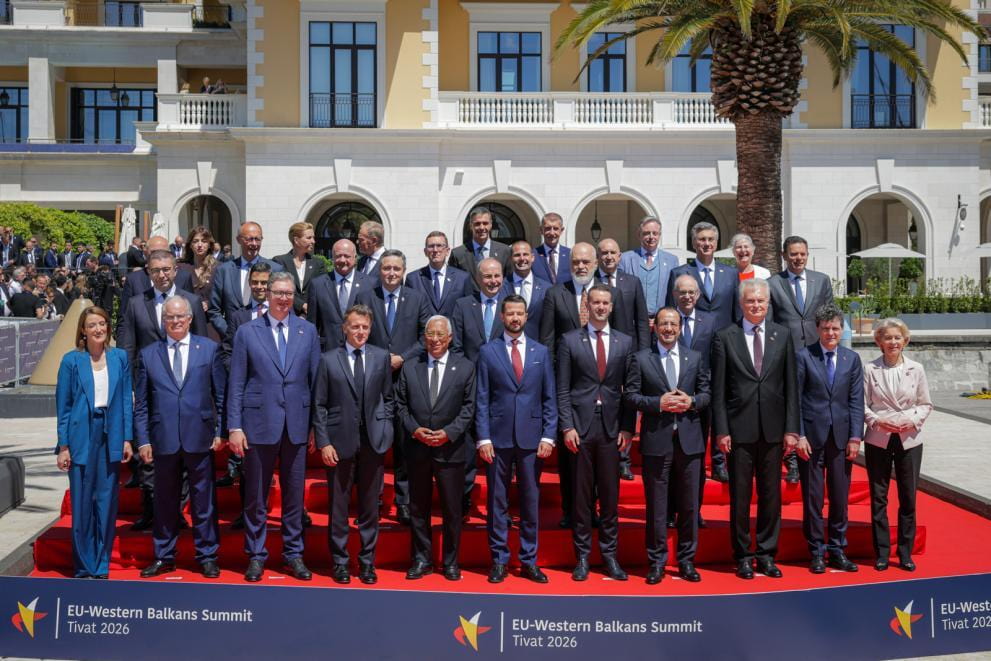
This EU-Western Balkans summit is the second such gathering of 2026, after leaders met in Tivat, Montenegro, in June. Regular summits have run since 2018, but the format faces a credibility problem. Each meeting reaffirms the European perspective, and each one ends without a firm calendar for entry.

The agenda for this EU-Western Balkans summit covers four tracks. Leaders will reaffirm the membership perspective, press partners to accelerate decisive reforms, assess gradual integration under the Growth Plan for the Western Balkans, and discuss shared security and resilience challenges.

Montenegro shows why timelines matter. The frontrunner had hoped the October European Council would endorse a target date for closing its talks. Croatia blocked that language, and the proposed timelines disappeared from the conclusions, leaving Podgorica to argue its case again in Brussels.

Albania sits close behind. The Commission’s upcoming enlargement package is expected to set out accession roadmaps for both Montenegro and Albania, which would give the two frontrunners a clearer path than any of their neighbours.

Money is the second pressure point for the EU-Western Balkans summit. The Growth Plan’s Reform and Growth Facility puts €6 billion on the table, combining €2 billion in grants with €4 billion in concessional loans, all tied to reform agendas that each partner signed. Payments flow only when governments deliver agreed steps.

That conditionality now has teeth. The Commission is weighing whether to redirect Growth Plan funds that Serbia and Kosovo have forfeited toward partners that perform better. Bosnia and Herzegovina faces a December deadline to meet its own reform commitments or risk losing access.

Kosovo’s presence at the EU-Western Balkans summit adds uncertainty. Pristina had not confirmed by late last week who would represent it at the summit, a reminder that the Belgrade-Pristina dispute still shadows every regional discussion in Brussels.

For EU capitals, the stakes reach beyond the six partners. Russia’s war against Ukraine turned enlargement from a technical process into a security strategy, and Moldova and Ukraine now compete for attention on the same accession track. A region left waiting too long gives room to other powers seeking influence.

The EU-Western Balkans summit therefore carries a test of method as much as of promise. Leaders can repeat that the region’s future lies in the Union, or they can show that reforms bring concrete rewards, from single-market access to faster negotiating chapters.

The day after the summit, attention shifts to the special European Council on the 2028-2034 budget, where enlargement costs will hover in the background. Whatever language leaders adopt on Wednesday, the EU-Western Balkans summit will be judged by whether Montenegro and Albania leave Brussels with dates rather than slogans.