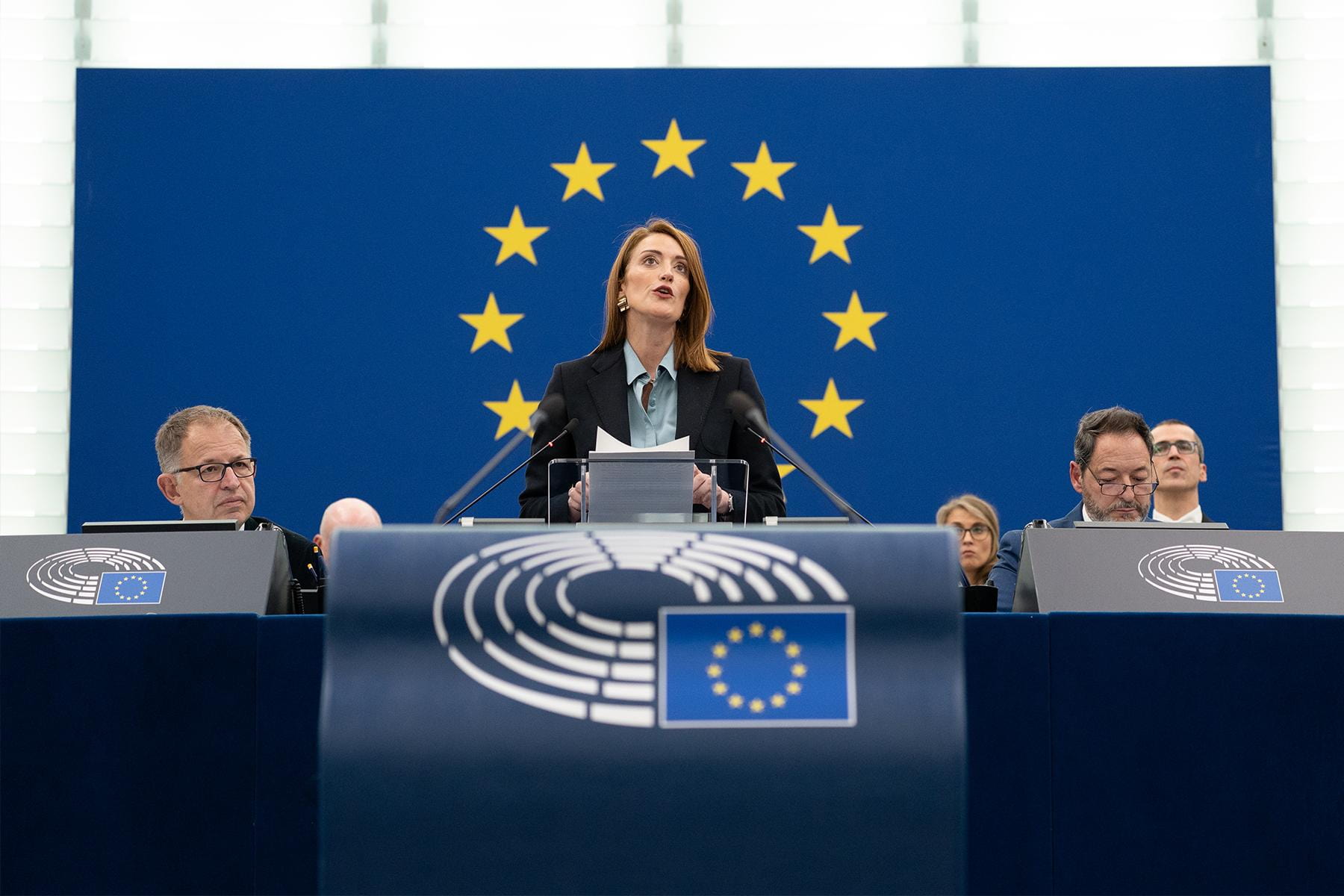
Eastern border security returns to the European Parliament on Tuesday evening, when MEPs in Strasbourg debate from 18:45 what threats along the Union’s eastern frontier mean for the member states that guard it. Internal Affairs and Migration Commissioner Magnus Brunner and Charlie McConalogue, speaking for the Irish Council Presidency, will answer for the Commission and the Council.
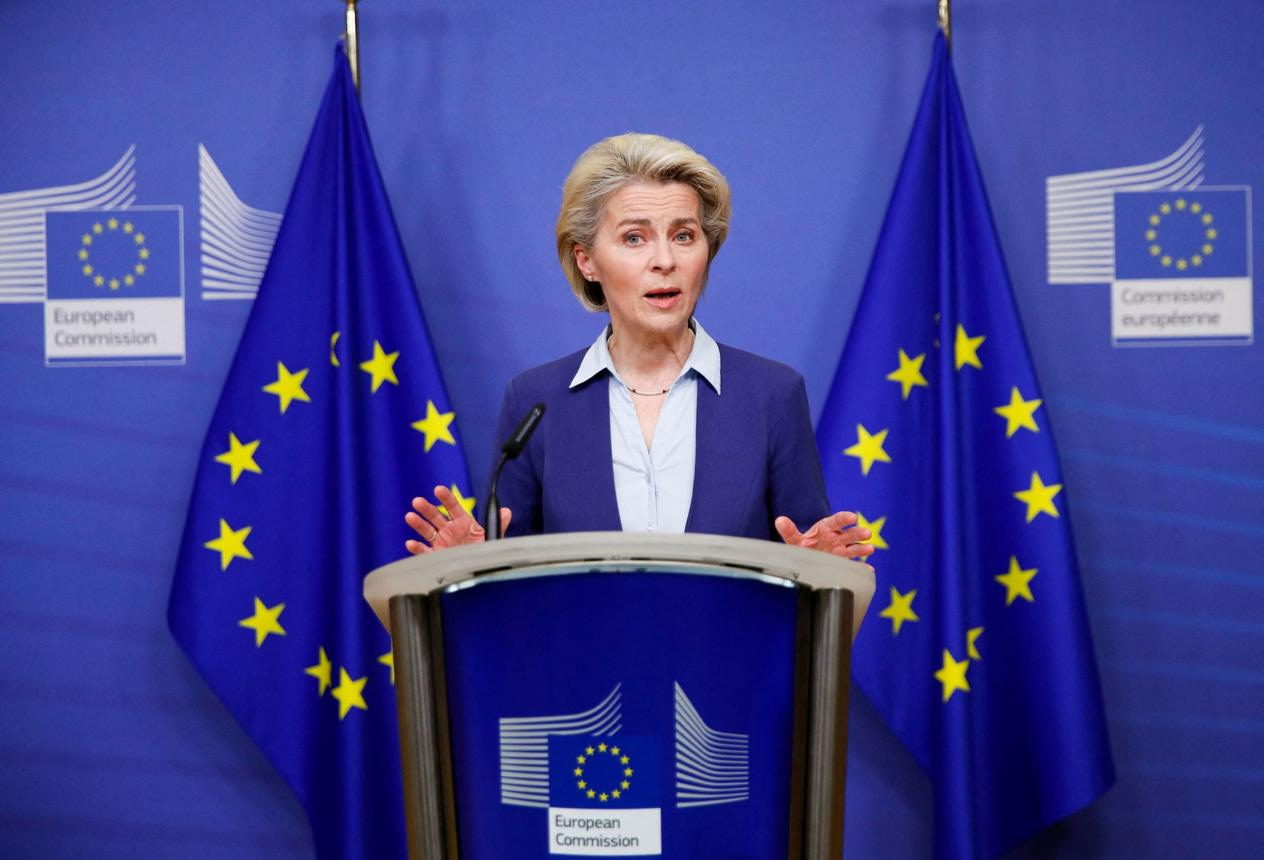
The eastern border security debate comes as frontline states press Brussels for more money and faster tools. Finland, the three Baltic states and Poland have spent years confronting hybrid tactics, from drones crossing their airspace to migrants pushed toward their borders. Commission President Ursula von der Leyen has called this the “unacceptable weaponisation of migration” by Russia and Belarus.
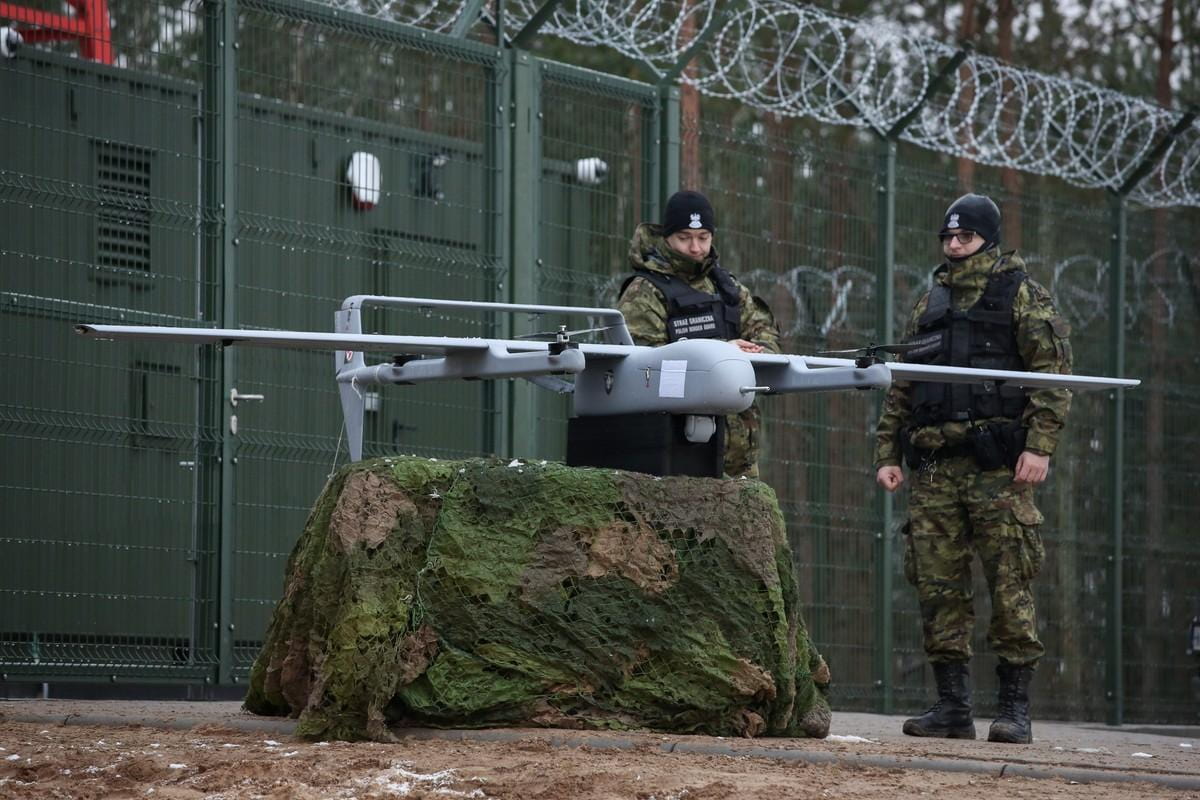
Brussels has answered mainly with technology funding. In February 2026, the Commission unveiled an action plan on drone and counter-drone security, which opened a €250 million call for land and maritime border surveillance. The scheme covers up to 90% of project costs, a generous rate designed to speed up procurement.
In early October, Brunner topped up that call with another €130 million during a meeting of justice and home affairs ministers in Luxembourg. “We will be topping up the initiative with another 130 million,” he told reporters, signalling that demand from national authorities had outpaced the original envelope.
A further €170 million went to Frontex and national border authorities under the Border Management and Visa Instrument for uncrewed surveillance equipment. Taken together, EU spending on new border surveillance technology now exceeds €500 million, a figure that makes eastern border security one of the fastest-growing lines in the home affairs budget.
The annual budget shows the same trend. The 2027 conciliation deal assigns €5.8 billion in commitments to Migration and Border Management, and MEPs secured an extra €30 million for the asylum and border funds on top of the Commission’s draft.
Yet money alone does not settle the eastern border security questions MEPs will raise. Frontline governments want flexibility to respond to sudden pressure, while human rights groups warn that emergency measures can erode access to asylum. Greece has already floated a temporary suspension of the right to asylum during mass-arrival emergencies, an idea that divides capitals.
The Frontex mandate review adds another layer to eastern border security policy. The Commission plans to revisit the agency’s powers, and frontline states want the European Border and Coast Guard to play a larger operational role along land borders where hybrid pressure is strongest.
Regional economies form the less visible side of eastern border security. Communities along the Finnish, Baltic and Polish frontiers have lost cross-border trade and tourism since 2022, and the Commission set out a dedicated 2026 communication on eastern border regions to support local investment and resilience.
Tuesday’s exchange carries no resolution or vote, but it gives MEPs a platform before the special European Council on 26 and 27 November. Leaders there will negotiate the 2028-2034 budget, where frontline states want border protection treated as a shared European cost rather than a national burden.
The outcome of that negotiation will decide how long the current funding surge can last. For now, eastern border security rests on a mix of EU grants, national budgets and Frontex support, and the debate in Strasbourg will test whether Parliament sees that mix as enough.