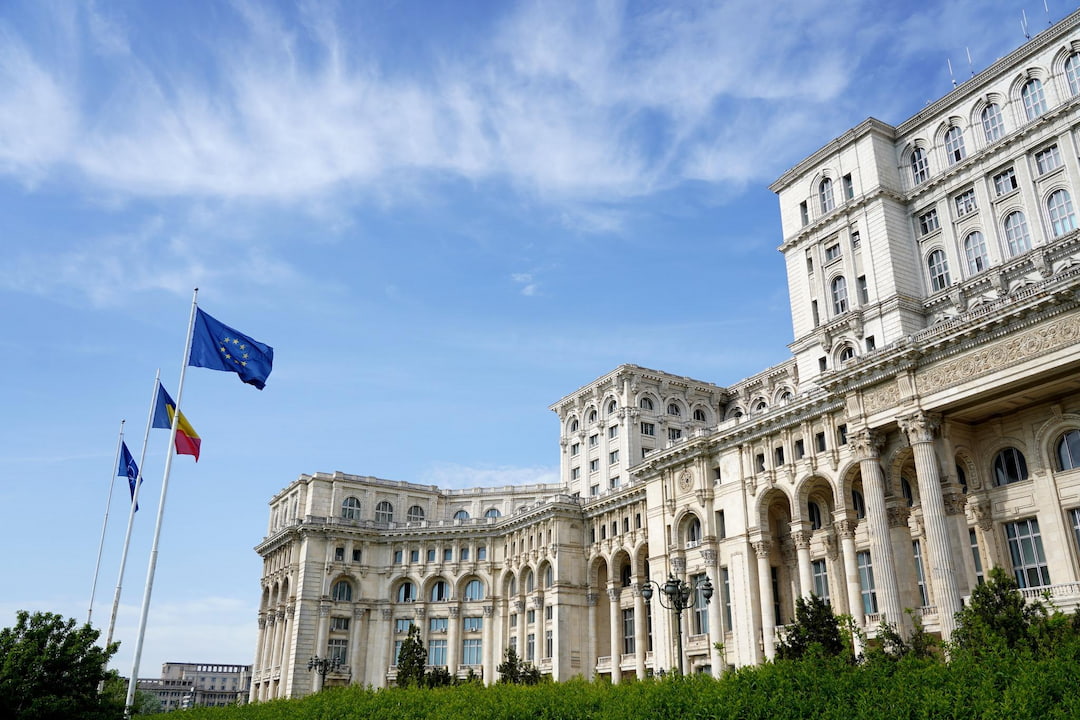
Six unfinished reforms now stand between Bucharest and the full value of its latest Romania recovery funds request, after the European Commission issued a partial positive assessment on Monday 16 November 2026. The fifth payment request, worth €2.67 billion under the Recovery and Resilience Facility, was submitted on 15 August, and the Commission found most of it in order but not all of it.
According to the Commission’s preliminary assessment, Romania satisfactorily completed 34 of 37 milestones and 35 of 38 targets attached to this instalment. That is a strong score on paper for this slice of Romania recovery funds. Yet the six outstanding items sit in exactly the areas where reform is hardest: land, energy networks and small business finance.
The completed work is tangible. It includes high-speed internet for hundreds of rural villages, clean vehicles for public administrations, a scrappage scheme for older polluting cars, and digital infrastructure for universities and the tax service. These are the visible, procurement-led measures that national administrations tend to deliver on time.
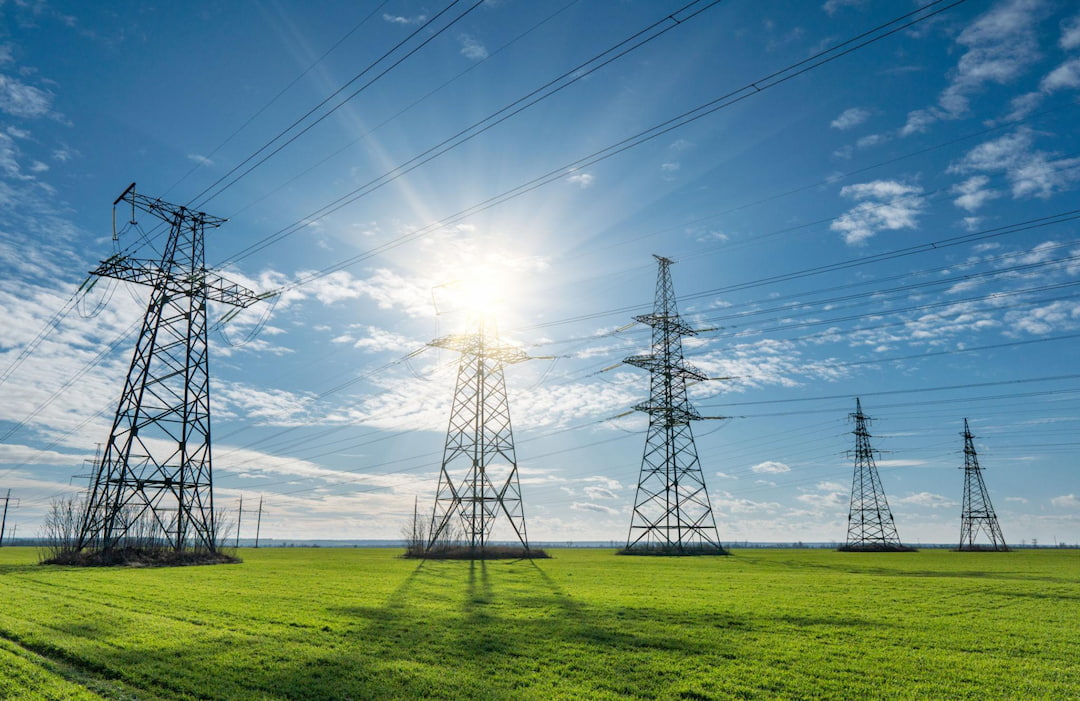
The unfinished list tells a different story. The Commission suspended its assessment of legal changes allowing state land to host renewable energy projects, support for the market uptake of renewable hydrogen, and a single national register of state land. It also flagged slower-than-promised interventions on the electricity transmission grid, the application of an SME test in lawmaking, and portfolio guarantees meant to widen company access to credit.
The procedure for releasing Romania recovery funds now matters as much as the numbers. The preliminary assessment goes to the Economic and Financial Committee, which has four weeks to deliver its opinion before a payment decision. Bucharest then has two months to submit observations on the suspended items. If the Commission confirms that the milestones were missed, the amount tied to them will be deducted from the €2.67 billion request, and the cut becomes permanent.
The timing is unforgiving. The Recovery and Resilience Facility closes in 2026, and Romania has already filed its sixth and final payment request, which the Commission is now assessing. There is little room left to fix structural reforms that have stalled for months, and any shortfall in Romania recovery funds will be hard to recover before the facility winds down.
The stakes for Romania recovery funds are large, since the country is one of the biggest beneficiaries of NextGenerationEU. Romania’s plan is worth €19.6 billion, made up of €13.1 billion in grants and €6.5 billion in loans. Analysts and Romanian media have warned for over a year that delays in reforms could cost the country billions, and this decision turns that warning into a concrete deduction risk.
The case also shows how the Commission now uses partial payments. Rather than blocking a whole tranche, it releases money for what is done and suspends only the missing steps. This keeps investment flowing while putting a clear price on unfinished reform, a model already applied to Romania’s own third instalment in 2025.
For the EU budget debate, the lesson is direct. Performance-based funding, which the Commission wants to carry into the 2028-2034 framework, depends on reforms that cut across ministries and vested interests. The fate of the remaining Romania recovery funds will be an early test of whether that model can deliver hard structural change, not just roads, cables and vehicles.