
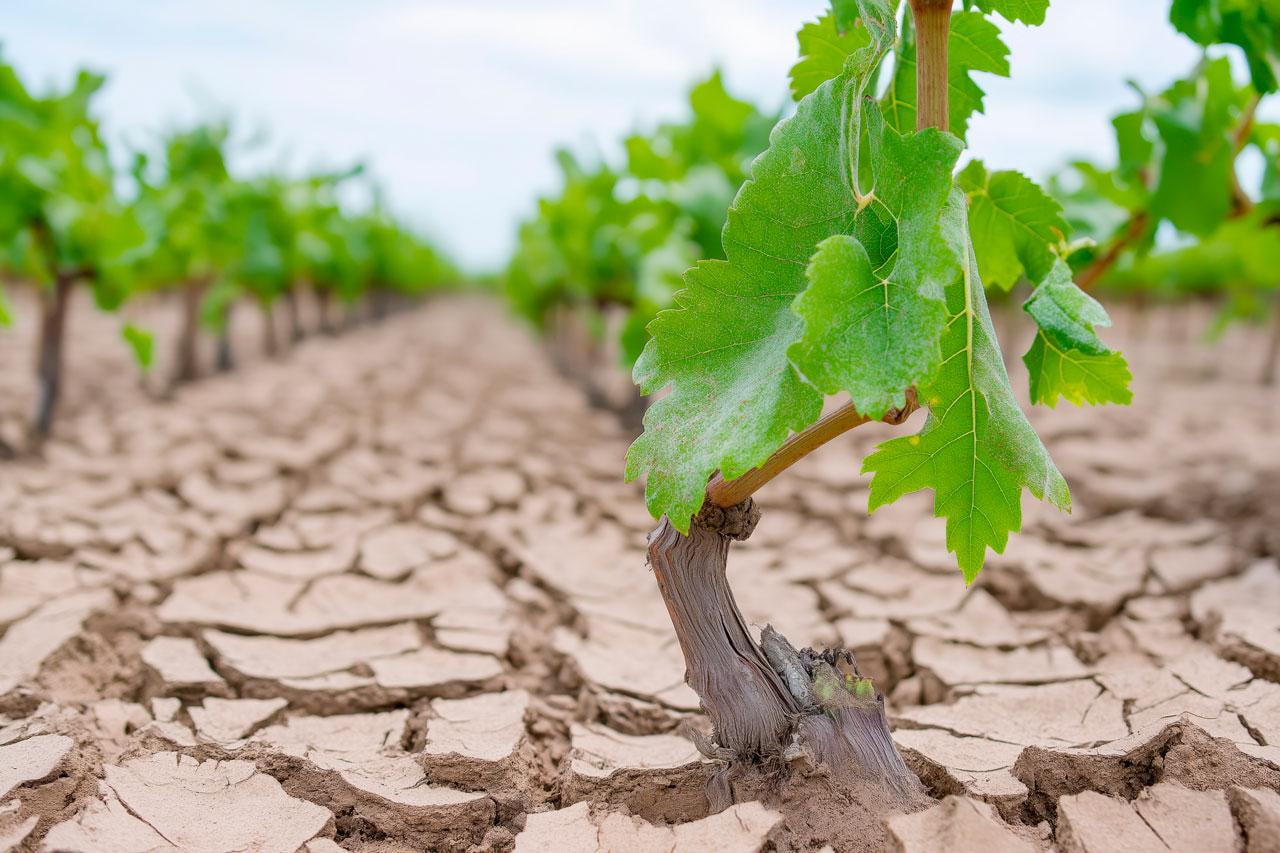
EU wine production will fall to 133.6 million hectolitres in the 2026/27 marketing year, according to a forecast that the farm lobby Copa-Cogeca published on 12 November. The figure marks a 4% drop from the 139.2 million hectolitres of the previous season and sits roughly 8% below the five-year average.
The numbers wipe out the modest recovery the sector expected only twelve months ago, when Copa-Cogeca projected 145.5 million hectolitres for 2025. They also arrive as the Commission and member states debate how the next Common Agricultural Policy should treat a wine sector that is producing less and selling less at the same time.
Italy carries most of the decline in EU wine production. Its output is set to slide 7.6% to 41.1 million hectolitres, close to 10% under its five-year average, after drought and heatwaves hit Sicily and Abruzzo especially hard. France expects 33.8 million hectolitres, down 2.1% and around 15% below its recent norm.
Spain is the only large producer moving the other way. Its harvest should rise 3.7% to 34.5 million hectolitres, yet the gain brings little comfort. Spanish domestic consumption has dropped 8%, and weaker export demand is weighing on prices, particularly for red wines.
Together, Italy, Spain and France account for about 82% of EU wine production, so their fortunes set the tone for the whole bloc. Smaller producers show sharp swings in both directions. Portugal expects an 11.9% increase and Romania a 32.4% jump, while Austria, Slovakia and Croatia each face falls of between roughly 29% and 35%.
The supply story matters, but the demand story matters more. Global wine consumption has sunk to 221 million hectolitres, the lowest level in over three decades. The European Union’s share of world demand has fallen from about 60% in 2000 to 48% today, which leaves EU wine production chasing a shrinking pool of drinkers at home.
Exports offer no easy escape. Between September 2025 and August 2026, extra-EU wine exports lost 6.8% in value to €15.4 billion and 3.3% in volume to 27.5 million hectolitres. Shipments to the United States fell 15.3%, while Canada and Switzerland also bought less. Bottled and sparkling wines suffered most, whereas bulk wine and bag-in-box formats grew.
Luca Rigotti, who chairs the Copa-Cogeca Working Party on Wine, blamed a mix of climate stress, higher production costs linked to conflicts and geopolitics, a structural decline in drinking, and new trade barriers. His organisation wants more investment in innovation and in new markets rather than a simple cut in supply.
Several governments are already cutting EU wine production capacity anyway. France has removed about 40,000 hectares of vines since 2024 and plans to uproot another 20,000 hectares in 2026. Germany, where third-quarter sales volumes fell 10.2%, has activated crisis distillation and grubbing-up measures.
Those national choices put the Commission’s wine package and the post-2027 farm budget under fresh scrutiny. Ministers will have to decide whether EU money should pay growers to leave the sector, help them adapt vineyards to hotter summers, or fund promotion campaigns in Asia and Africa.
The 2026 harvest suggests the bloc cannot avoid all three. With falling EU wine production, shrinking consumption and softer exports arriving together, the policy debate is shifting from managing surpluses to managing a long, structural contraction.