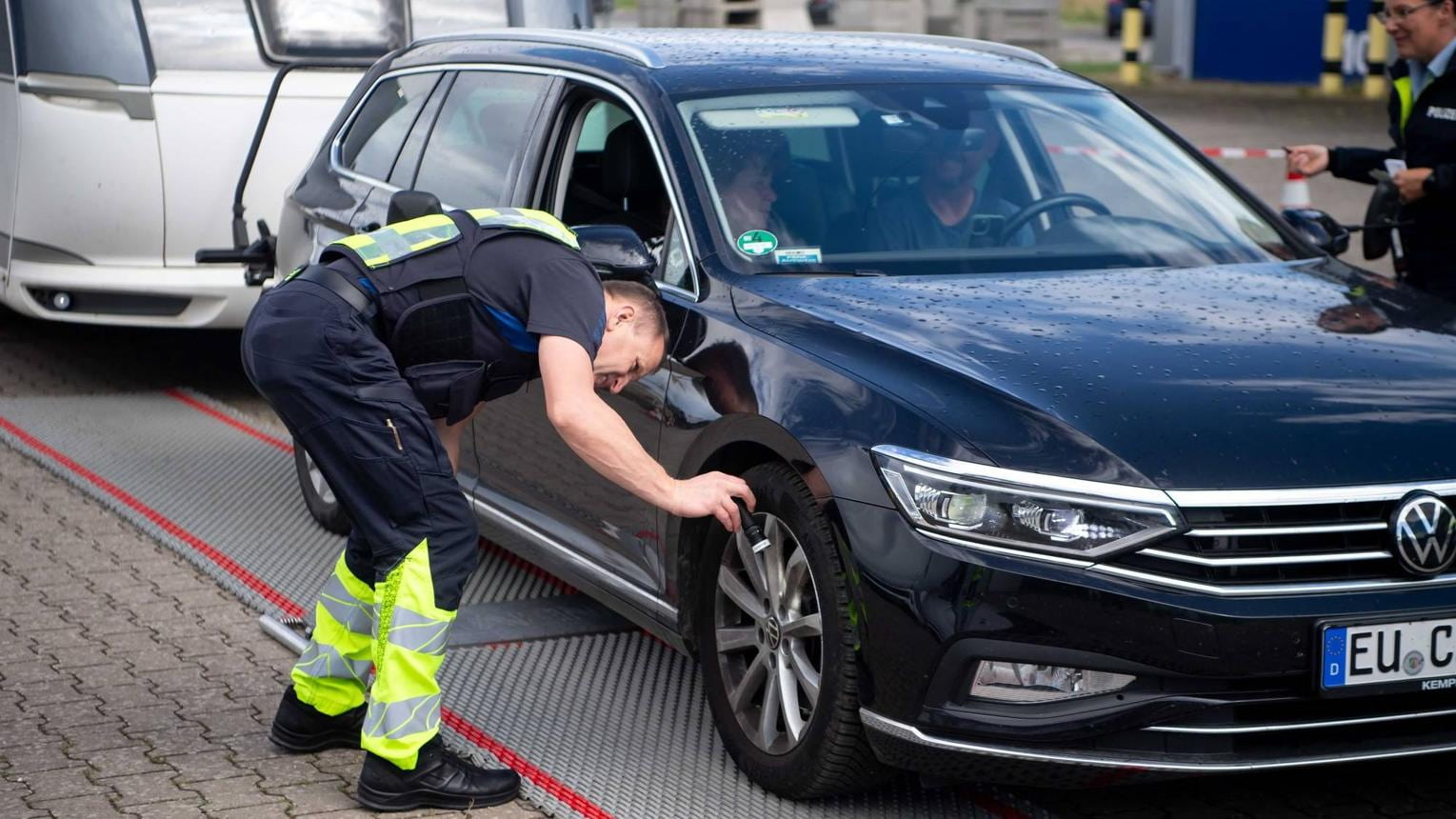
Drivers of ageing cars, motorcyclists and haulage operators all have something at stake in a file that has just cleared its hardest stage. Negotiators from Parliament and Council struck a provisional deal on the roadworthiness package at a final trilogue on 30 June, and technical meetings this month worked through a revised comparison document before the text returns for formal endorsement.
The package amends two directives from 2014. One governs periodic technical inspections of motor vehicles and their trailers, the other covers roadside inspections of commercial vehicles. The Commission tabled the overhaul in April 2025 with a road-safety argument and a digitalisation argument, proposing more frequent testing for older vehicles, tighter emissions checks and electronic vehicle documents.
Parliament trimmed that ambition. The Transport Committee adopted its position on 5 May by 30 votes to 11 with two abstentions, and the legislative file shows MEPs favouring a risk-based and proportionate approach over blanket frequency increases. Committee members argued that a well-maintained ten-year-old car in a country with strong inspection standards poses less risk than the Commission’s uniform schedule implied.
Motorcycles run the other way. MEPs voted to strip out the flexibility that lets member states exempt machines above 125 cubic centimetres from periodic testing, which would make inspections compulsory everywhere. They also extended checks to electrically powered heavy motorcycles, a category that barely existed when the 2014 rules took shape. Several riders’ organisations opposed the change and lost that argument.
Transport ministers had already fixed the Council line in December 2025, and their position on inspections and registration shared Parliament’s scepticism about cost. That alignment explains why the trilogues closed inside six months on a file that touches every national testing agency and thousands of private garages.
Emissions testing forms the quieter half of the deal. Newer measurement methods can detect particle emissions from vehicles whose exhaust filters have failed or been removed, a problem that current test procedures miss entirely. Member states with older testing equipment face real investment to comply, and the transition periods negotiated in the trilogue decide how sharp that bill becomes.
Loose ends remain. Rules on temporary suspension of roadworthiness certificates, fuel quality checks and crisis arrangements stayed open into the technical stage, and each carries practical consequences for operators who move vehicles across borders. A certificate suspended in one member state needs a clear legal status in the next.
Transposition will determine whether any of this reaches drivers. The 2014 directives set minimum standards and left national authorities wide discretion, which produced the uneven enforcement the revision tries to correct. A deal that once again leaves the detail to capitals risks reproducing exactly the patchwork it set out to fix, and the compliance reports due after transposition will show whether that happened.