
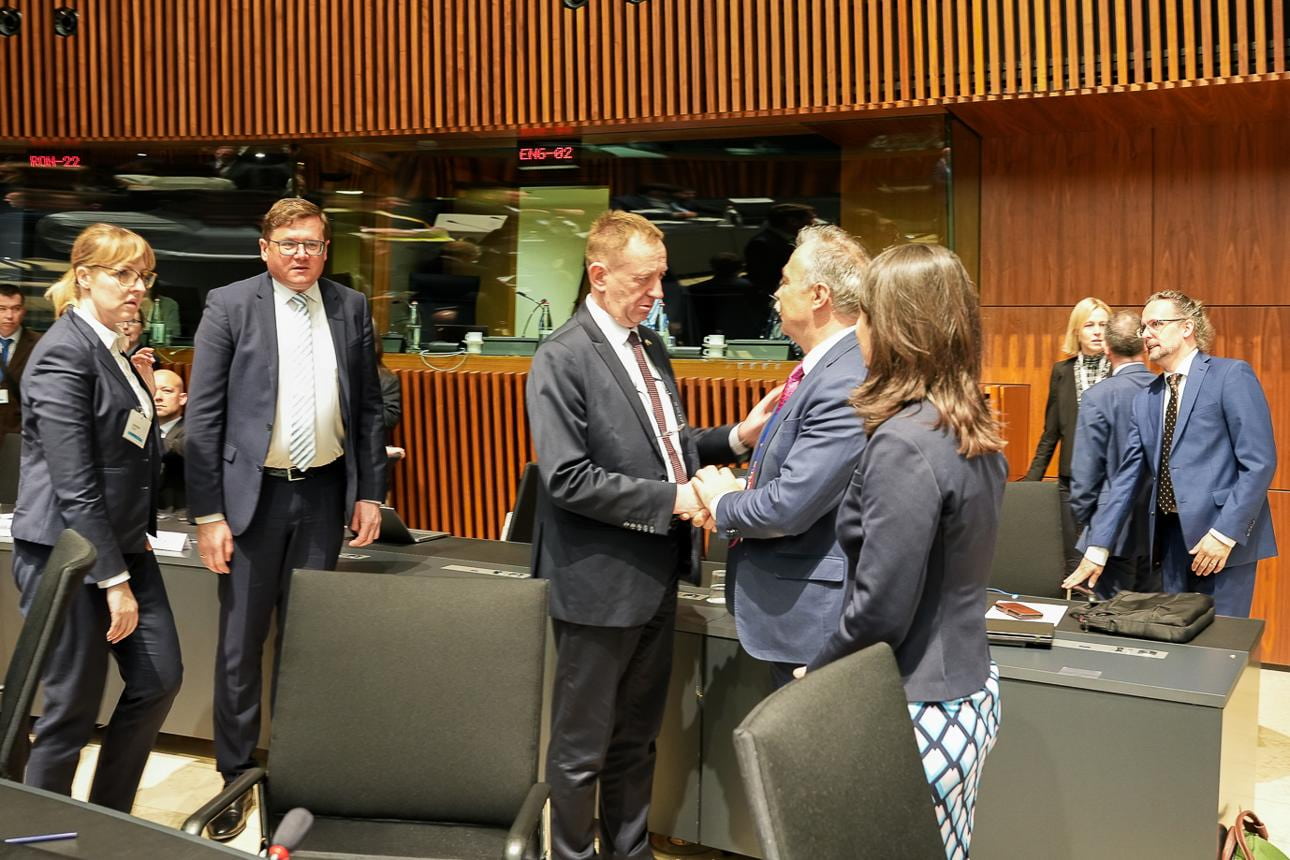
Luxembourg: EU agriculture ministers used their 28 September meeting to push the post-2027 CAP closer to a deal, and the Irish Presidency now aims for a partial general approach at the October Council. Minister Martin Heydon, who chairs the talks for Ireland, said the discussion had brought the Council another step closer to a Common Agricultural Policy fit for the future.
The Council’s meeting page shows that ministers took stock of progress and gave political guidance on the outstanding issues. Those issues are not minor. They decide how farm money flows to European farmers after 2027, and every capital brings its own red lines to the table.
Romania, backed by Bulgaria, Cyprus, Hungary, Poland and Slovakia, asked ministers to continue transitional national aid for member states that joined after 2004 beyond 2027, according to Agence Europe’s preview of the meeting. Belgium, meanwhile, argued for preserving the sectoral programme for fruit and vegetables. Neither request has an obvious landing zone yet, which explains why the Presidency wants guidance before it drafts compromise text.
Market pressure hangs over the whole debate. Ministers discussed the fallout from Russia’s war against Ukraine, drought after this summer’s heatwaves, and high input costs, while producer prices fall. Four delegations raised the drought’s effect on western and central European harvests. Ukrainian Agriculture Minister Taras Vysotskyi also briefed colleagues on maritime traffic problems in the Black Sea that threaten grain exports.
Fertilisers took up the working lunch. Ministers reviewed the Commission’s fertiliser action plan, launched in May, and considered its medium- and long-term steps to make fertilisers more affordable and more available. Several farm lobbies say the plan comes too slowly for growers who already face expensive inputs, and some governments want its benefits extended to drought-hit sectors.
The calendar leaves little slack. Presidency officials have to convert this week’s guidance into a text that a qualified majority can accept, and they must do so while the wider EU budget negotiations compete for the same political attention. A partial general approach would not end the process, because Parliament still needs to agree its own position before the final trilogue talks begin.
For farmers, the practical question is certainty about the post-2027 CAP. Growers planning investments for 2028 want to know the payment rules, the conditions attached to them and the size of the national envelopes. If ministers reach the October milestone, the post-2027 CAP will move from a set of contested principles to a negotiating text, and that shift alone will calm some of the anxiety across the countryside.


