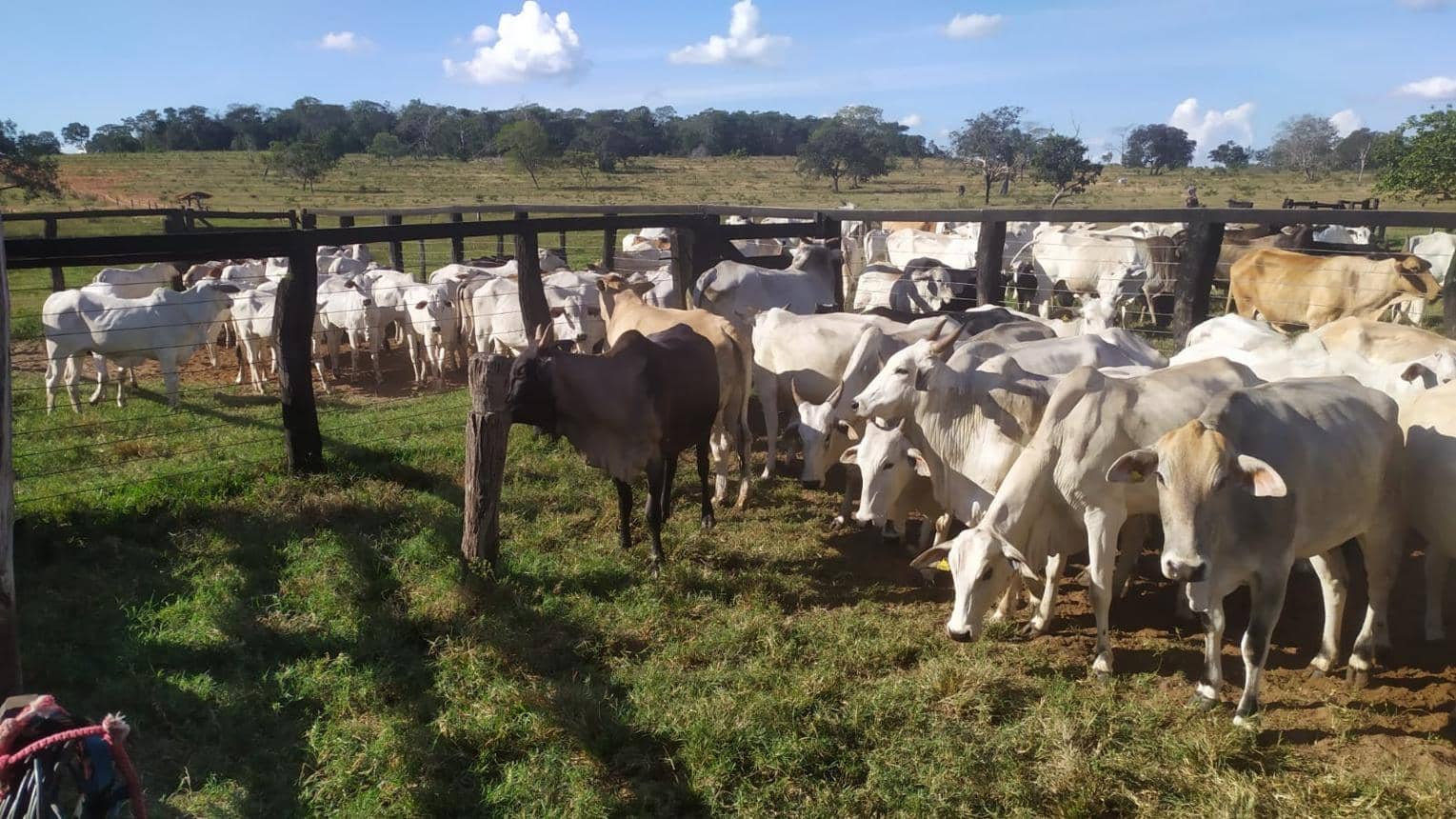
Goiânia: Cattle traders in the Brazilian centre-west priced two futures this month, and one of them closed on 3 September. That morning the European Union stopped accepting Brazilian meat at its borders, along with eggs, honey, casings and a list of aquaculture lines, because Brussels had not placed the country on the register of exporters that meet its antimicrobial rules. The measure carries no accusation of contamination. It records something narrower and harder to fix quickly, which is that Brazil did not deliver the evidence the Union demanded on how its farms use antibiotics.
The rule behind the suspension has a longer history than the suspension itself. Since 2022 the Union has refused animal products from herds treated with antimicrobials for growth promotion, or with substances Europe reserves for human medicine. Third countries must certify their control systems and open them to audit. Member state experts voted in May to leave Brazil off the compliant list, and the Commission gave Brasília the summer to close the gap. The deadline expired while officials were still exchanging documents, and the suspension took effect on schedule.
Timing gives this a weight the technical file would not otherwise carry. Provisional application of the Union’s agreement with Mercosur began on 1 May, and Brazilian farm exporters spent four months learning what their new quotas were worth. They learned something else instead. A tariff line means nothing without a veterinary certificate behind it, and the two travel on separate tracks. Only one of them went through the negotiation.
European poultry processors read the decision as vindication. Their trade association has argued for years that Brazilian producers compete on costs Europe forbids its own farmers to incur, and it called the suspension reciprocity finally applied rather than promised. That framing suits an industry that watched its own antibiotic use fall under close supervision while imports arrived on softer terms. It also understates how much European supply chains now lean on the flow that just stopped.
Brazil supplies a large share of the Union’s imported poultry and a smaller but concentrated share of processed beef. Buyers cannot replace those volumes from Thailand or Ukraine inside a quarter, and prices in the German and Dutch processing trade moved within days. The eggs and honey lines matter less by value and more by signal. They show the Commission applying one instrument across an entire animal-products relationship rather than carving out the politically sensitive parts.
Officials in Brussels stress that nothing here is permanent. Brazilian authorities can submit revised guarantees, European auditors can verify them, and member states can vote the country back onto the list. Poultry could return within weeks along that path. Beef will take longer, because the cattle sector spreads across tens of thousands of properties with uneven record-keeping, and an audit that satisfies Brussels has to reach the farms rather than the packing plants.
The episode teaches European negotiators something they will need elsewhere. The Union spent two decades building the Mercosur agreement, then demonstrated four months into its life that a food safety register can shut a market faster than any tariff schedule can open one. Partners in Indonesia, India and the Gulf watch that sequence and draw the obvious conclusion about which chapter of the relationship actually governs their exports.
Brazilian officials have avoided calling the measure protectionism, which is the disciplined choice. Escalation would harden positions inside the Union at a moment when ratification of the Mercosur political chapters still depends on twenty-seven national parliaments, several of them answerable to farm constituencies that never wanted the deal. A quiet audit serves Brasília better than a dispute, and Brussels knows it.
One question stays open. The antimicrobial register covers every third country, and several exporters with weaker veterinary services than Brazil still sit on the compliant list because nobody has looked closely. The Commission has now established that it acts when the evidence runs out. Holding that line against a smaller partner with less leverage will be the harder test, and it will arrive sooner than anyone in Goiânia expects.