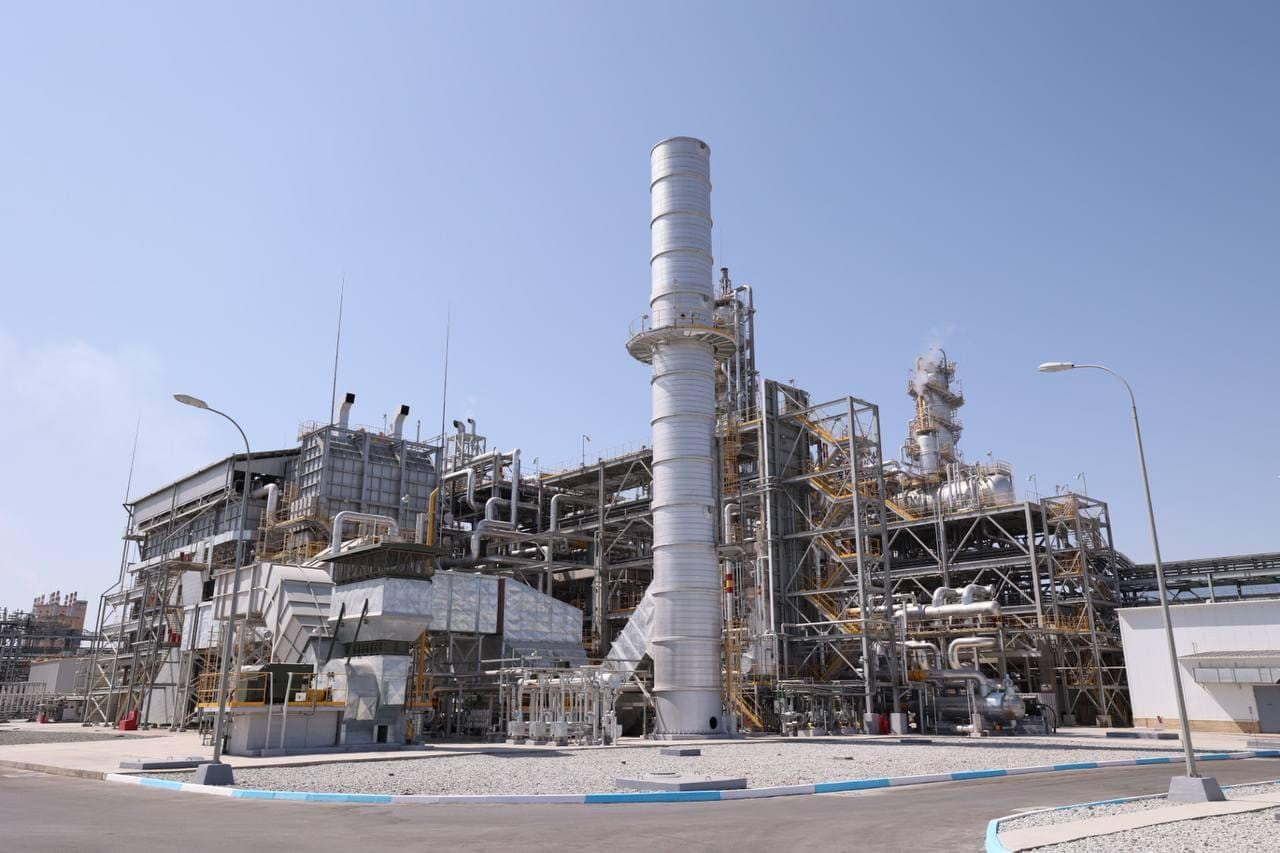
Narva: The magnet plant on Estonia’s eastern frontier began shipping commercial volumes this year, feeding sintered neodymium magnets to a tier-one supplier of electric vehicle motors. Nameplate capacity runs to roughly 2,000 tonnes a year, with a design path toward 5,000. Measured against European demand, that is a rounding error. Measured against what the continent produced four years ago, which was almost nothing, it counts as a start.
The calendar matters more than the tonnage. Beijing suspended the second wave of its rare earth export controls until 10 November 2026, which falls eight weeks from today. Neither side has said what happens on 11 November, and that silence is doing considerable work in European boardrooms.
China introduced two waves of controls in April and October 2025. The European Parliament’s research service catalogued the exposure in unsparing terms. Permanent magnets and processed rare earth inputs sit inside wind turbines, electric drivetrains, semiconductors and most of the guided munitions Europe is trying to build faster.
Brussels answered with machinery rather than retaliation. Trade Commissioner Maroš Šefčovič and Chinese commerce minister Wang Wentao agreed an Export Control Dialogue that has since met in person and online. The Commission adopted RESourceEU, stood up a critical raw materials centre to coordinate stockpiling and joint purchasing, opened the Raw Materials Mechanism to buyer matchmaking in March, and named tungsten, gallium and rare earths for the first joint reserve in May.
Each instrument is sensible. None of them changes what happens in eight weeks. A stockpile measured in months of cover buys negotiating time rather than independence, and joint purchasing only bites when alternative supply exists to purchase jointly. Narva is that alternative supply, and Narva is two thousand tonnes.
The more interesting lever is one Europe controls outright. From this month, waste lithium-ion batteries and black mass count as hazardous under EU rules, which blocks their export to non-OECD destinations. Europe spent years shipping its own recoverable material abroad and buying the refined product back. Closing that loop will not rescue 2026, but it addresses the slice of the dependency Europe built for itself.
A commercial argument favours restraint in November. Every squeeze Beijing has applied since 2025 accelerated the outcome it least wants, which is a European midstream. The Estonian line exists partly because customers decided single-source supply carried a risk worth paying to avoid. A second disruption would harden that judgement across the automotive and wind supply chains, and it would do so at the moment European industrial policy finally has money to spend.
The counterargument deserves more weight than it usually gets. Licensing, not prohibition, is the real instrument, and licensing stays deniable. A general licence for civilian users alongside case-by-case review for anything touching defence keeps European carmakers supplied while squeezing European rearmament, and it leaves Brussels without a clean grievance to take anywhere. Stockpiles handle that scenario worst, because defence programmes need a decade of certainty rather than a quarter of cover.
Europe’s own counter-leverage looks thin and mostly commercial. Brussels could make market access for Chinese magnet producers conditional, or attach resilience criteria to public procurement in wind and defence, which would convert a supply problem into a demand signal for plants like the one in Narva. Neither option comes free, and both invite retaliation in sectors where Europe sells more than it buys.
What Brussels should avoid is treating 10 November as a deadline that resolves itself. The suspension was a concession, and concessions get renewed on terms. The question worth settling before then is what Europe will offer, and whether anyone in the building has decided.