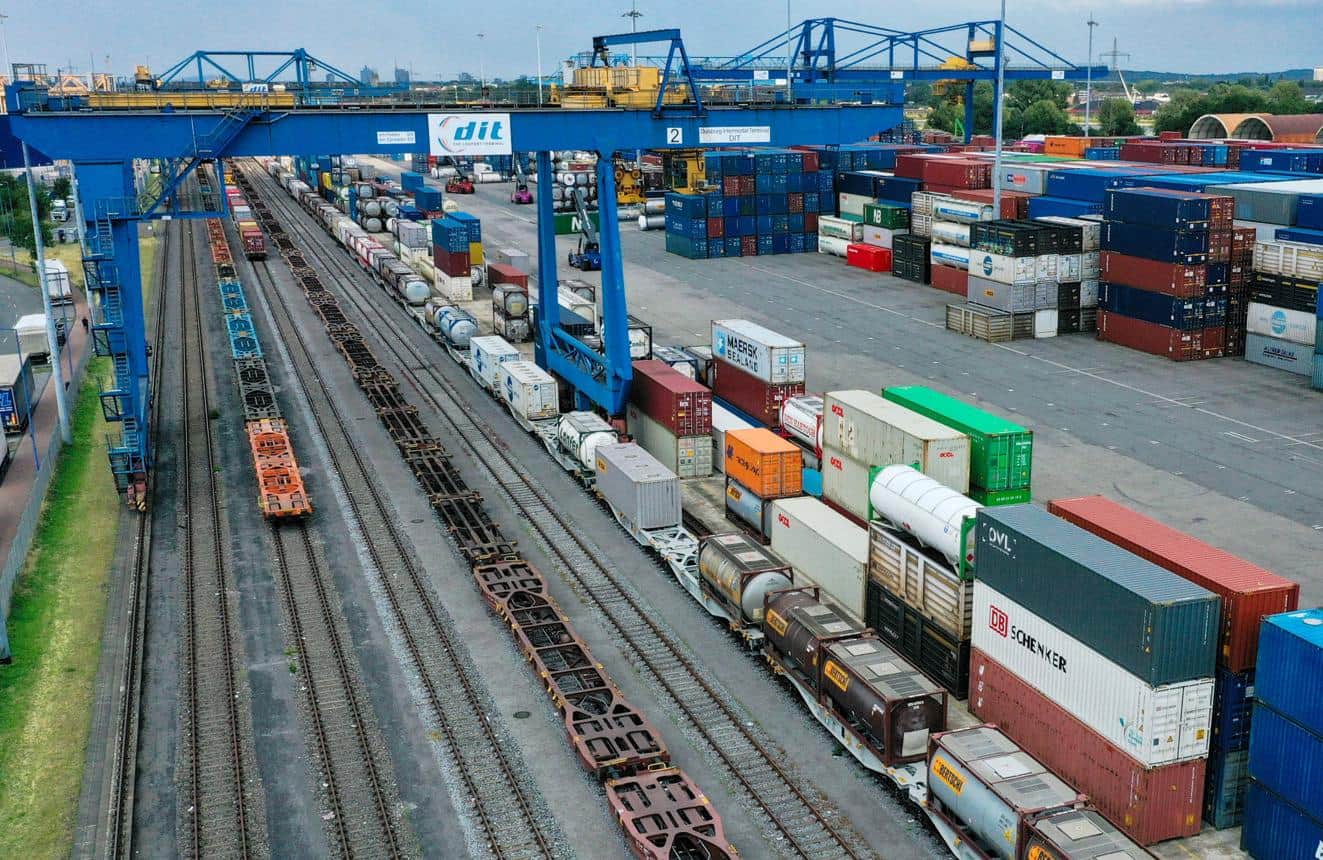
Aktau: Cranes on Kazakhstan’s Caspian shore lift containers onto ferries bound for Baku, and the hours those boxes spend waiting for a sailing decide whether the Middle Corridor competes with the sea route around Asia or merely supplements it. Brussels has now put institutional weight behind the answer.
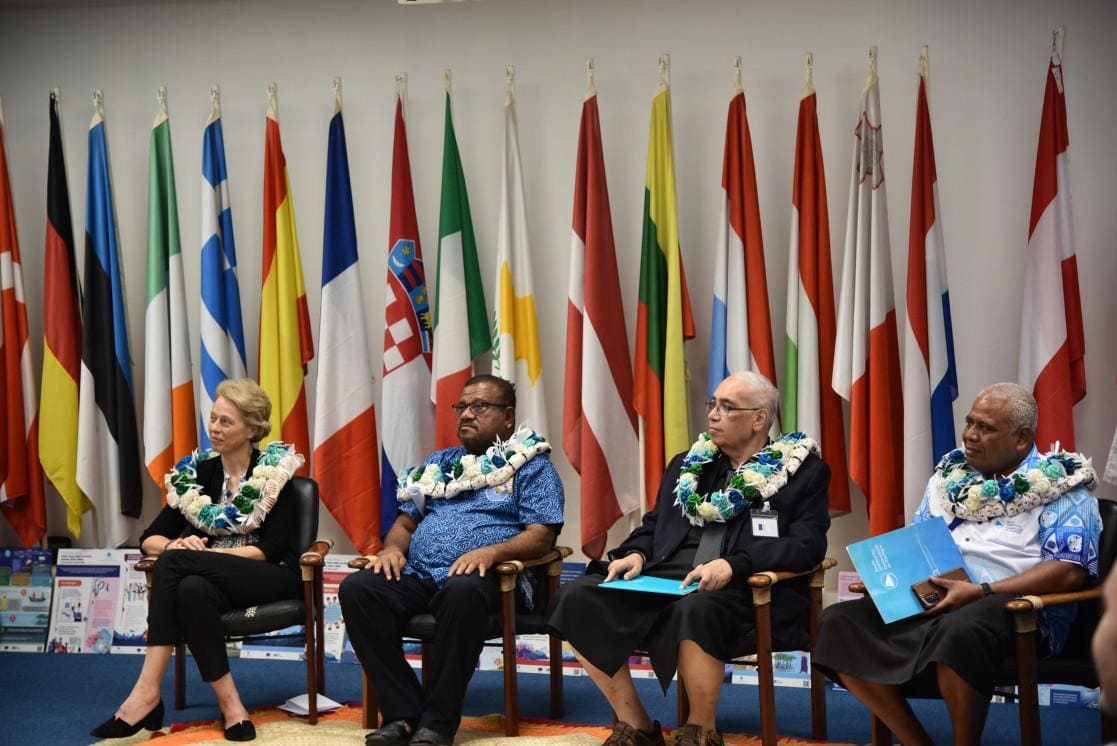
The European Commission launched a Connectivity Agenda Platform in June 2026 at a ministerial meeting that brought together member states and Central Asian governments. Alongside it, the Commission concluded arrangements with international financial institutions that officials expect to mobilise up to two billion euros for connectivity investment across the Black Sea region and the South Caucasus.
The platform belongs to the Union’s Global Gateway programme, which committed twelve billion euros to Central Asia in 2025, of which three billion targeted transport and two and a half billion targeted critical raw materials. The numbers are real. Whether they buy a functioning corridor is a separate question.
Freight along the Trans-Caspian route crosses at least three customs regimes, one sea, and a choice between a Georgian Black Sea leg and a Turkish land leg. Each transfer adds paperwork, and each transfer adds a place where a container stops. Shippers price that unpredictability, not the headline distance. A route that saves days on paper loses them at the quayside when a ferry sails half empty because nobody coordinated the rail schedule feeding it.
This is why the platform’s design is more interesting than its budget. Coordinating regulation across a corridor costs almost nothing and delivers more than a new terminal. A common transit document, mutual recognition of customs seals, published ferry timetables and a single tariff would compress transit times without pouring a cubic metre of concrete. Financing institutions cannot deliver any of that. Governments can, and the platform exists to make them meet often enough to try.
The strategic case rests on redundancy rather than volume. Container traffic across the Caspian remains a rounding error beside the maritime route, and no realistic investment programme changes that this decade. What the corridor offers is an overland path to Central Asian copper, uranium, rare earths and manganese that does not transit Russia and does not depend on Chinese logistics operators. For a Union that has spent three years discovering how much its industry relies on single suppliers, a second option carries value that tonnage figures understate.
Sceptics make two fair points. Kazakhstan and Azerbaijan both balance European money against Russian and Chinese relationships, and neither will let a connectivity platform dictate its foreign policy. And the corridor’s Caucasus segment runs through a region where borders have closed with little warning, which is precisely the risk European planners claim to be diversifying away from.
Supporters answer that the alternative is worse. Doing nothing leaves Europe dependent on maritime chokepoints and on a single continental route through Russia that sanctions have closed anyway. Two billion euros will not build a rival to Suez. It might buy enough capacity and enough procedural repair to keep a third option alive.
The measure of success will not be a ribbon cutting. It will be the average time a container spends in Aktau waiting for a ferry, and whether anyone in Brussels bothers to publish that number.