Tbilisi: Georgia EU candidate status is now a label with little behind it, a point Enlargement Commissioner Marta Kos made bluntly on 7 October 2026 when she called Georgia a candidate country only on paper. Days later the European Parliament adopted a resolution on Georgia by 445 votes to 37, with 97 abstentions, demanding sanctions on the leadership and the withdrawal of a lawsuit seeking to ban opposition parties.
The lawsuit sits at the centre of the dispute. The Georgian Dream-controlled parliament filed the constitutional case in November 2025 to ban the United National Movement, Coalition for Change and Strong Georgia–Lelo. The Federalists were added later, and in September 2026 so was For Georgia, the only opposition party still represented in parliament. MEPs argue that a ban would strip meaningful competition from the political system.
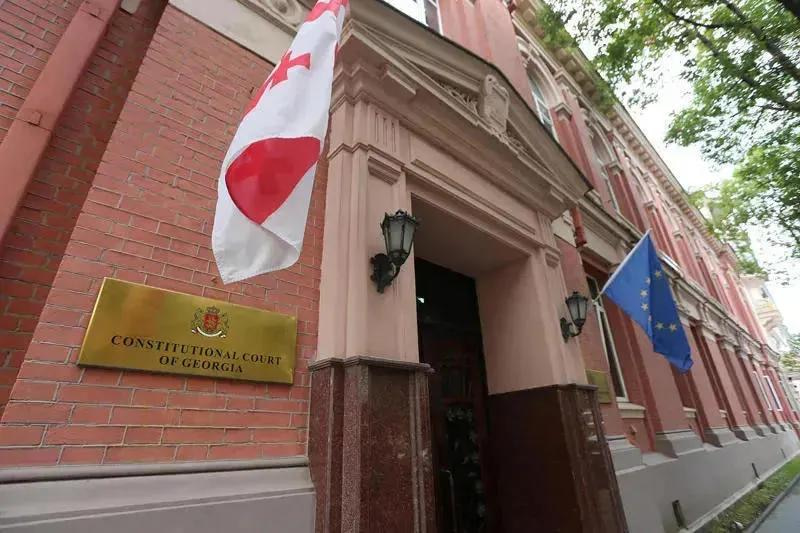
Parliament’s list of demands is long. It calls for targeted sanctions and visa bans on Bidzina Ivanishvili, Irakli Kobakhidze, Shalva Papuashvili and Kakha Kaladze, the release of people it regards as political prisoners, and the repeal of laws that allow disproportionate restrictions on parties and individuals. It also questions the independence of Constitutional Court judges appointed in September 2026, which ties Georgia EU candidate status directly to the court that will hear the ban case.
Yet Parliament cannot impose sanctions over Georgia EU candidate status itself. That power sits with the Council, where foreign-policy measures need unanimity, and the Foreign Affairs Council was due to discuss Georgia the week after Kos spoke. She said developments would be reflected in the Commission’s enlargement report, due at the end of October, and Georgia is not among the four countries slated for indicative enlargement plans. The Union has already suspended visa-free travel for holders of Georgian diplomatic, service and official passports, downgraded political contacts and paused some Association Agreement meetings and support.
The harder choice for Georgia EU candidate status concerns the general visa-free regime, which touches ordinary Georgians far more than the ruling party. Kos was asked about suspending it and about targeted sanctions, and she announced no decision. Brussels faces the familiar dilemma of how to pressure leaders without punishing citizens who still want a European future, a future Kos said the Union continues to believe in.
The coming weeks will test whether Georgia EU candidate status carries consequences. Watch the wording the Council chooses on sanctions, the treatment of Georgia in the end-October enlargement report, and the fate of the constitutional case. If the lawsuit proceeds, the candidate label will be harder to defend, and if it is dropped, Brussels gains an opening to restart a dialogue it has largely frozen.