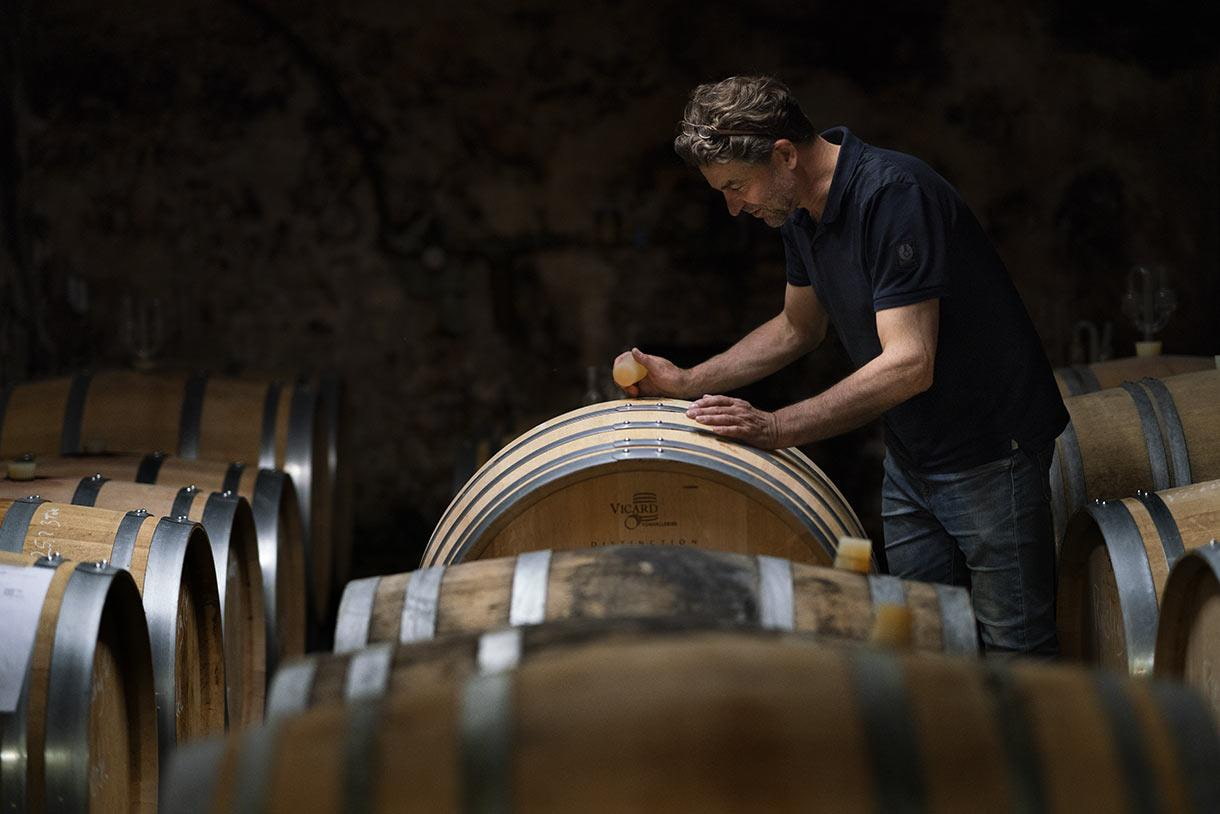
Épernay: The EU agri-food promotion budget for 2027 would climb to €162 million after a €50 million top-up that Agriculture Commissioner Christophe Hansen presented to MEPs on 5 November 2026. Producers in Épernay and other export-driven farm regions rely on such funds to market products such as Champagne beyond the bloc’s borders.
Hansen set out the figures while presenting his second report on simplification, implementation and enforcement to the European Parliament’s Committee on Agriculture and Rural Development. The proposal still needs approval from the budgetary authority, meaning the Parliament and the Council, during the annual budget process.
Under the plan, simple programmes run by single national organisations would receive €92 million. Multi-country programmes, which bring together operators from several member states, would get €60 million. The Commission would keep €10 million of the agri-food promotion budget for its own initiatives, such as trade fair stands and high-level missions to third countries.
The split reflects a long-standing balance in EU promotion policy. Simple programmes let a national trade body target a market it knows well, while multi-country programmes reward cooperation, for example between cheese, olive oil and wine producers from different member states. The Research Executive Agency manages multi-country projects directly, and national authorities oversee simple ones, so any change to the agri-food promotion budget ripples through both channels.
Even with the top-up, the 2027 envelope would sit below this year’s level. The 2026 agri-food promotion budget reached €205 million, including an exceptional €35 million for a European campaign due to launch in 2027. Farm organisations that want a stronger presence in Asian and American markets are likely to lobby MEPs for a higher figure.
Hansen used the same hearing to defend his simplification drive, which he called a cross-cutting Commission priority. He said several 2026 simplifications still do not appear in national CAP Strategic Plans and criticised gold-plating by member states. He also acknowledged that past simplification proposals often lost strength during negotiations and took too long to deliver.
The promotion debate unfolds against a tougher fight over the next Common Agricultural Policy. Hansen defended an allocation of almost €400 billion for the CAP in the 2028-2034 budget, while conceding that the proposal lacks the inflation adjustment farm groups requested. He met French President Emmanuel Macron in Paris on 6 November, and both called for a strong agricultural sector after 2027.
For exporters, the agri-food promotion budget offers one of the few EU tools aimed squarely at new markets. As trade tensions grow and domestic demand for some products softens, the size of that envelope will matter to growers well beyond Épernay.