November 17, 2026
LATEST
Rail Ticketing Regulation Draft Seeks One Booking for TrainsCoordinated Annual Review on Defence Picks Eight Shared BetsCraft Geographical Indications Shield Torre del Greco Coral MakersEDPS Europol Appeal Rejected as Court Denies Watchdog Its StandingCOP31 Draft Decision Draws EU Warning Against New Climate RulesUN Secretary-General Race Leaves Europe Without a Shared CandidateEstonia Border Closure Puts Schengen Sabotage Response on TrialAdvanced Materials Act Targets Europe’s Lab-to-Fab GapSevere Material Deprivation Edges Down to 6.3 percent in 2025Google AdSense Fine Could Return After Kokott’s OpinionIndependent AI Evaluation Must Become an EU Capacity, Advisers UrgeCBAM Carbon Price Deduction Rules Reward Producers That Pay at HomePayment Fraud Rules Head to a Final MEP Vote After Council Sign-OffAntibiotic Awareness Day Puts Young Children at Its CentreGerman Chip Subsidies Worth €57.6 Million Clear EU ReviewRomania Recovery Funds Partly Frozen Over Six Missed ReformsYouth Mobility Scheme Talks Race Toward the 20 November EU-UK SummitAccession Safeguards Probation Shrinks to 10 Years in Irish DraftSerbia EU Accession Hopes Revive After a Student List Election WinVenezuela Sanctions Relief for Delcy Rodríguez Tests EU UnanimityRail Ticketing Regulation Draft Seeks One Booking for TrainsCoordinated Annual Review on Defence Picks Eight Shared BetsCraft Geographical Indications Shield Torre del Greco Coral MakersEDPS Europol Appeal Rejected as Court Denies Watchdog Its StandingCOP31 Draft Decision Draws EU Warning Against New Climate RulesUN Secretary-General Race Leaves Europe Without a Shared CandidateEstonia Border Closure Puts Schengen Sabotage Response on TrialAdvanced Materials Act Targets Europe’s Lab-to-Fab GapSevere Material Deprivation Edges Down to 6.3 percent in 2025Google AdSense Fine Could Return After Kokott’s OpinionIndependent AI Evaluation Must Become an EU Capacity, Advisers UrgeCBAM Carbon Price Deduction Rules Reward Producers That Pay at HomePayment Fraud Rules Head to a Final MEP Vote After Council Sign-OffAntibiotic Awareness Day Puts Young Children at Its CentreGerman Chip Subsidies Worth €57.6 Million Clear EU ReviewRomania Recovery Funds Partly Frozen Over Six Missed ReformsYouth Mobility Scheme Talks Race Toward the 20 November EU-UK SummitAccession Safeguards Probation Shrinks to 10 Years in Irish DraftSerbia EU Accession Hopes Revive After a Student List Election WinVenezuela Sanctions Relief for Delcy Rodríguez Tests EU Unanimity

Anti-Fraud Architecture Review Heads to MEPs With OLAF and EPPO Fixes

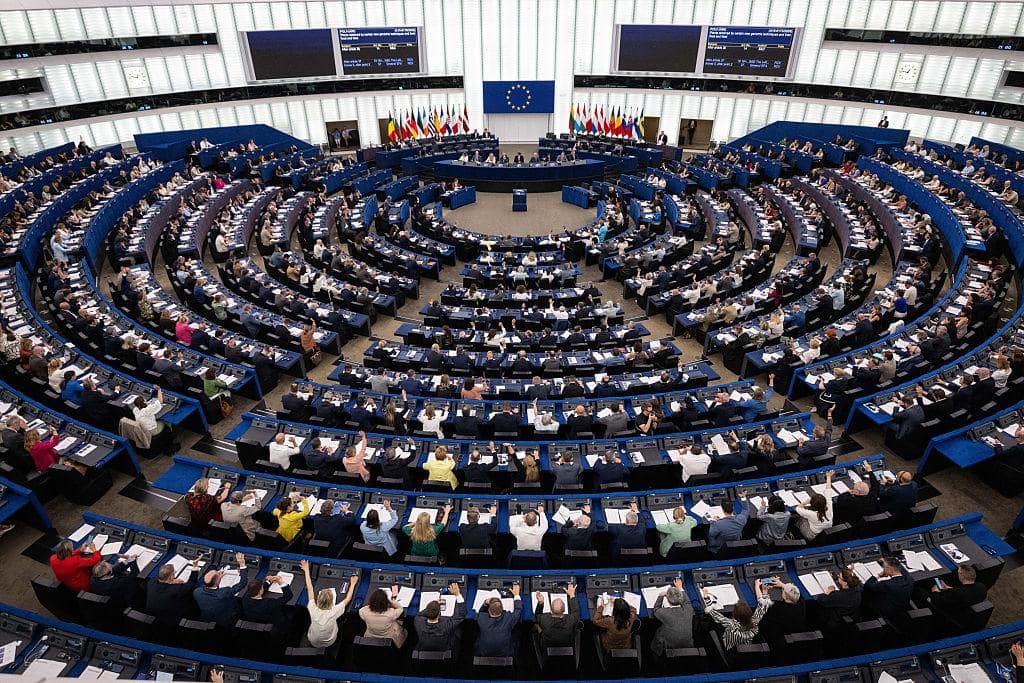
Wacken, Strasbourg: The review of the EU anti-fraud architecture reaches the full European Parliament on 26 November 2026, when MEPs vote on a report that asks for tighter cooperation between OLAF and the European Public Prosecutor’s Office before the next long-term budget starts in 2028.

The Budgetary Control Committee adopted the own-initiative report on 3 November by 25 votes in favour, none against and four abstentions. That lopsided margin signals broad cross-party support for changing how the Union protects its money from fraud and corruption.

Co-rapporteur Tomáš Zdechovský, a Czech member of the European People’s Party, called the text the beginning of a revolution in the fight against fraud and corruption. The committee wants the Commission to treat the review as groundwork for the 2028 to 2034 multiannual financial framework.

The report’s central demand concerns the link between the two bodies at the heart of the anti-fraud architecture. OLAF runs administrative investigations, while the EPPO handles criminal prosecutions in the participating member states. MEPs say the two often step on each other’s toes or wait too long for each other.

The committee asks the Commission to set clear obligations for cases of unjustified refusals or delays in cooperation. It also wants any suspension of an OLAF investigation in favour of EPPO proceedings to remain proportionate and time-limited, with regular reassessment so that files do not sit idle for years.

Whistleblowers form the second pillar of the text. MEPs call for a single, secure digital channel through which anyone can report suspected fraud against the EU budget. They also want protection against retaliation to apply from the first submission, rather than only once an investigation opens.

The Commission plans to present its own review of the anti-fraud architecture by the end of 2026. Parliament’s vote will therefore land just weeks before that paper and shape the political debate around it. The timing matters because the next budget will route more money through national plans, which auditors say raises traceability risks.

Any reform of the anti-fraud architecture has real money attached. The Commission’s annual report on protecting the EU’s financial interests, published in July 2026, again counted thousands of fraudulent and non-fraudulent irregularities across spending programmes, with cohesion and farm funds among the most exposed.

If the plenary backs the report, the Commission will face a clear list of parliamentary expectations when it drafts its proposals. A strong vote on the anti-fraud architecture would also give MEPs leverage in the wider fight over how far the 2028 budget should depend on performance-based spending.