Frascati: The European Commission and the European Space Agency have launched a joint website for the Earth System Science Initiative, giving the public a single window onto six years of shared climate and environment research. The 4 November 2026 launch carries weight in Frascati, where ESA’s ESRIN centre runs much of the agency’s Earth observation work.
The two institutions set up the Earth System Science Initiative in 2020. It links research projects that EU research and innovation programmes fund, chiefly Horizon Europe, with ESA’s Earth observation activities. Scientists working under the banner combine satellite observations, ground-based measurements and computer modelling to build a fuller picture of how the planet is changing.
The Earth System Science Initiative organises its work into six scientific flagships. These connect individual projects through alliances, so teams studying the same problem share data and methods. Topics include carbon emissions, biodiversity loss, ocean health, polar change and climate extremes, fields where satellite records now stretch back far enough to reveal clear trends.
The new website lets visitors explore participating projects, trace how they collaborate and read about their results. It also explains how the findings feed into European policy. That link matters because the EU increasingly relies on space-based evidence to monitor climate commitments, track land use and plan for floods, droughts and heatwaves. For students and journalists, the portal also offers a quicker route into material that previously sat scattered across separate project websites.
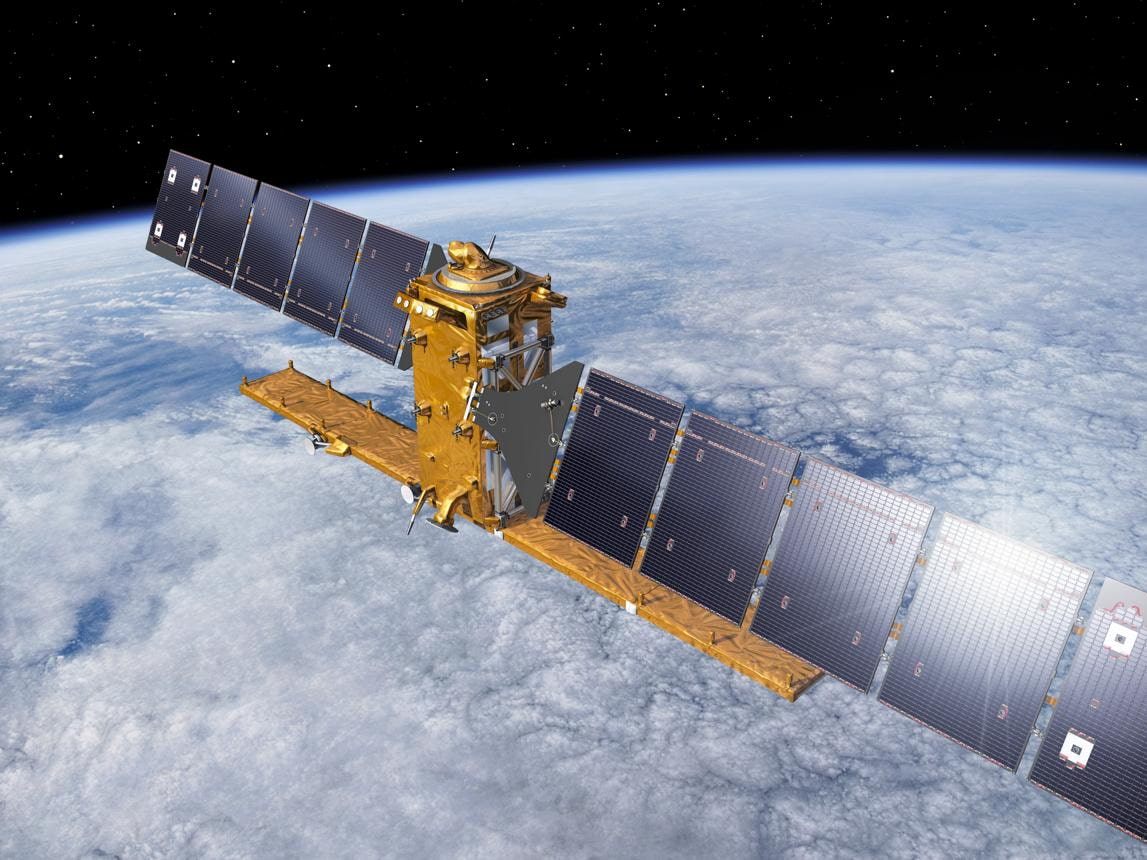
The initiative sits alongside the Union’s larger space assets. Copernicus, the EU Earth observation programme, supplies free data from the Sentinel satellites that ESA develops. Destination Earth, the Commission’s effort to build digital twins of the planet, draws on similar data streams. The Earth System Science Initiative works at the research end of that chain, turning raw observations into scientific understanding that operational services can later use.
Visibility has long been a weak point for such programmes. Researchers, policymakers and citizens often struggle to see what joint funding delivers, especially when projects span several institutions and countries. A shared portal answers part of that criticism and gives the Commission and ESA a showcase while talks on the next EU budget and future space spending continue.
The real test will come from use. If scientists, regional authorities and educators turn to the site for results, the Earth System Science Initiative could become a model for how Europe presents joint space and research investment. For now, the portal offers the clearest public view yet of what the EU and ESA achieve when they pool their climate science.