November 17, 2026
LATEST
Rail Ticketing Regulation Draft Seeks One Booking for TrainsCoordinated Annual Review on Defence Picks Eight Shared BetsCraft Geographical Indications Shield Torre del Greco Coral MakersEDPS Europol Appeal Rejected as Court Denies Watchdog Its StandingCOP31 Draft Decision Draws EU Warning Against New Climate RulesUN Secretary-General Race Leaves Europe Without a Shared CandidateEstonia Border Closure Puts Schengen Sabotage Response on TrialAdvanced Materials Act Targets Europe’s Lab-to-Fab GapSevere Material Deprivation Edges Down to 6.3 percent in 2025Google AdSense Fine Could Return After Kokott’s OpinionIndependent AI Evaluation Must Become an EU Capacity, Advisers UrgeCBAM Carbon Price Deduction Rules Reward Producers That Pay at HomePayment Fraud Rules Head to a Final MEP Vote After Council Sign-OffAntibiotic Awareness Day Puts Young Children at Its CentreGerman Chip Subsidies Worth €57.6 Million Clear EU ReviewRomania Recovery Funds Partly Frozen Over Six Missed ReformsYouth Mobility Scheme Talks Race Toward the 20 November EU-UK SummitAccession Safeguards Probation Shrinks to 10 Years in Irish DraftSerbia EU Accession Hopes Revive After a Student List Election WinVenezuela Sanctions Relief for Delcy Rodríguez Tests EU UnanimityRail Ticketing Regulation Draft Seeks One Booking for TrainsCoordinated Annual Review on Defence Picks Eight Shared BetsCraft Geographical Indications Shield Torre del Greco Coral MakersEDPS Europol Appeal Rejected as Court Denies Watchdog Its StandingCOP31 Draft Decision Draws EU Warning Against New Climate RulesUN Secretary-General Race Leaves Europe Without a Shared CandidateEstonia Border Closure Puts Schengen Sabotage Response on TrialAdvanced Materials Act Targets Europe’s Lab-to-Fab GapSevere Material Deprivation Edges Down to 6.3 percent in 2025Google AdSense Fine Could Return After Kokott’s OpinionIndependent AI Evaluation Must Become an EU Capacity, Advisers UrgeCBAM Carbon Price Deduction Rules Reward Producers That Pay at HomePayment Fraud Rules Head to a Final MEP Vote After Council Sign-OffAntibiotic Awareness Day Puts Young Children at Its CentreGerman Chip Subsidies Worth €57.6 Million Clear EU ReviewRomania Recovery Funds Partly Frozen Over Six Missed ReformsYouth Mobility Scheme Talks Race Toward the 20 November EU-UK SummitAccession Safeguards Probation Shrinks to 10 Years in Irish DraftSerbia EU Accession Hopes Revive After a Student List Election WinVenezuela Sanctions Relief for Delcy Rodríguez Tests EU Unanimity

Fit for 55 Laws Survive Seven Polish Court Challenges in Luxembourg

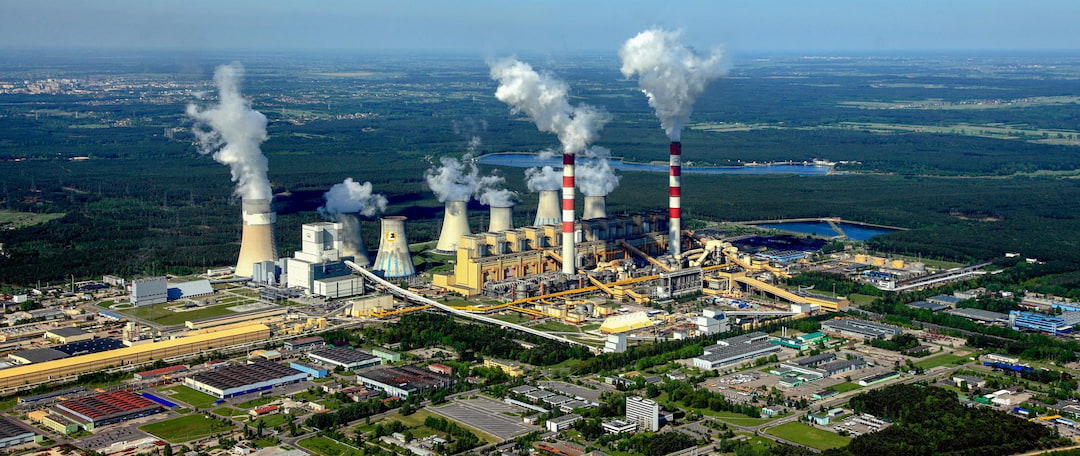
Bełchatów: Europe’s Fit for 55 laws came through their toughest legal test on 12 November 2026, when the Court of Justice of the European Union dismissed all seven actions that Poland had filed against the climate package. The ruling resonates in Bełchatów, home to the largest lignite power plant in the EU, where carbon prices shape jobs, investment and household bills.

Warsaw lodged the cases in 2023, shortly after the Council and the European Parliament adopted the core of the Fit for 55 laws. Poland argued that the measures were essentially fiscal, or that they significantly affected its choice between energy sources and the general structure of its energy supply. Under Article 192(2) of the Treaty on the Functioning of the European Union, such measures need unanimity in the Council, which would have handed Warsaw a veto.

The challenges covered a wide sweep of legislation. Case C-442/23 targeted the LULUCF regulation and its 2030 goal of 310 million tonnes of CO2-equivalent net removals. Case C-444/23 took aim at the CO2 standards that demand a 100% cut in fleet-wide emissions from new cars and vans from 2035. The other actions contested the market stability reserve decision, the Effort Sharing Regulation, the revised Emissions Trading System directive, the Carbon Border Adjustment Mechanism and the recast Energy Efficiency Directive.

The judges rejected the core argument against the Fit for 55 laws. They held that the choice of legal basis depends on objective factors such as a measure’s aim and content, not on its likely economic effects. Six of the acts pursue mainly environmental goals under Article 192(1) TFEU, while the energy efficiency directive rests on the energy policy basis of Article 194(2). All seven could therefore follow the ordinary legislative procedure, and the Court stressed that exceptions to that procedure demand a strict reading.

Poland also invoked the principle of energy solidarity. The Court answered that this principle covers only energy measures and cannot block environmental legislation. It added that the EU legislature had weighed compensation, including the Social Climate Fund. On proportionality, the judges recalled the legislature’s broad discretion and found none of the measures manifestly inappropriate. Claims of unequal treatment in the LULUCF and ETS cases failed because the differences rested on objective grounds.

The verdict removes a long-running legal cloud over the EU’s 2030 climate architecture. Businesses gain certainty that ETS2, the separate carbon market for buildings and road transport fuels, and the CBAM obligations on importers stand on solid ground. Governments that want to soften the Fit for 55 laws must now pursue that aim through political negotiation rather than litigation.

That shift will shape the coming months. Capitals still argue over the 2040 target and the timing of ETS2, and Poland remains among the loudest voices calling for relief. Yet after this judgment, any change to the Fit for 55 laws needs a qualified majority in the Council rather than a court ruling that reopens the original bargain.