
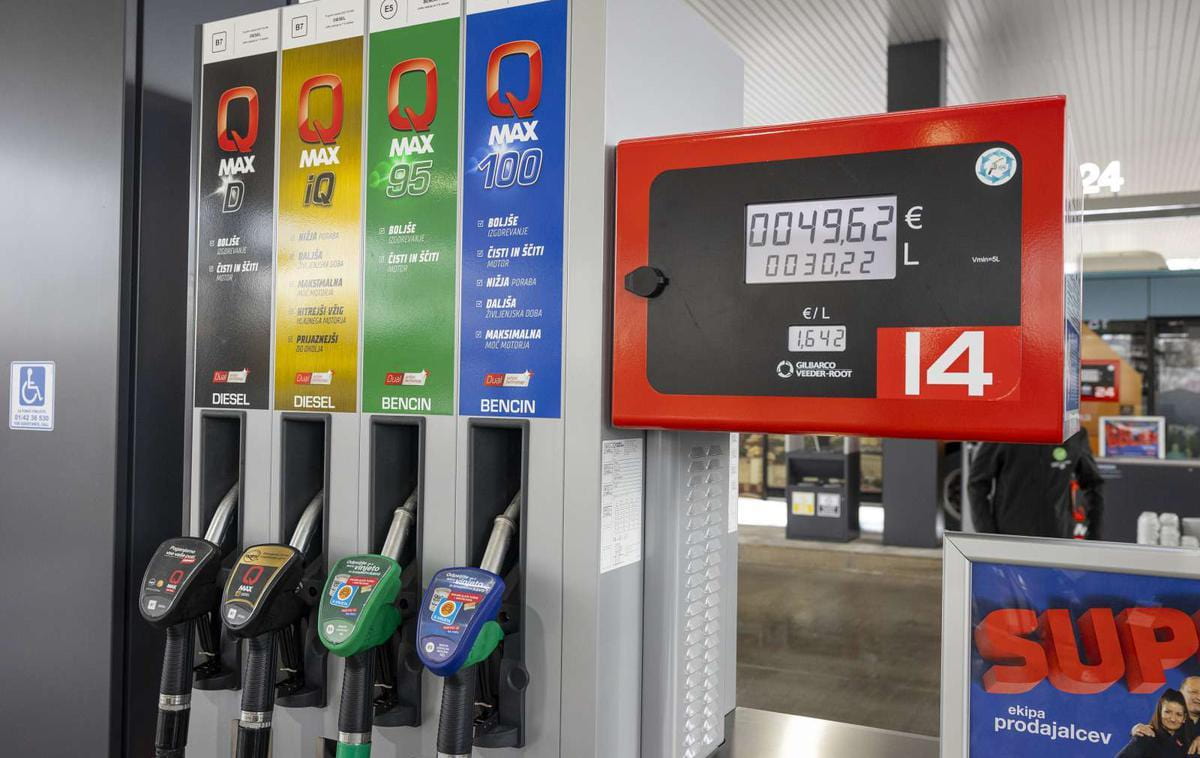
Koper: Slovenia may cut its fuel excise duty below the EU minimum for six months after the Council adopted Implementing Decision (EU) 2026/2551 on 9 November 2026. The decision, published in the Official Journal on 13 November, lets Ljubljana lower the tax on unleaded petrol by up to €0.2195 per litre and on diesel used as motor fuel by up to €0.225 per litre.
The minimum rates come from Article 7 of the Energy Taxation Directive, Directive 2003/96/EC. Member states normally cannot set a fuel excise duty below them, but Article 19 allows the Council, acting unanimously on a Commission proposal, to grant temporary derogations for specific policy reasons. The authorisation is permissive, so Slovenia may use the room but does not have to.
The Council points to geopolitical upheaval in the Middle East, which disrupted oil supply chains and drove sharp and lasting increases in wholesale and retail energy prices. European leaders, in their conclusions of 19 March 2026, invited the Commission to work with capitals on national, temporary and targeted measures. Slovenian authorities asked for the derogation in letters dated 31 July and 21 August 2026, and the Commission tabled its proposal on 9 October.
Slovenia is the fifth member state to win fuel excise duty relief this year. Sweden, Croatia, Ireland and Spain received similar authorisations earlier in 2026, although Ireland’s covered only diesel for road transport. The run of decisions shows how energy taxation has turned into a frontline crisis tool for finance ministries, even as the EU tries to align fuel taxes with its climate goals.
The Council attached clear caveats. The decision warns that untargeted tax cuts are fiscally costly and tend to raise demand for fossil fuels, so the fuel excise duty relief must stay strictly time-limited, as Article 19(2) of the Directive requires. The authorisation ends early if the Council, under Article 113 of the Treaty, agrees new minimum fuel tax levels that the derogation no longer fits. It also leaves EU state aid rules untouched.
The Commission judged that the measure would not distort the single market, given its short duration and the exceptional circumstances. That assessment matters for a small, open economy that borders Italy, Austria, Croatia and Hungary, where fuel tourism across the border can quickly shift tax revenue between neighbours.
For hauliers using the port of Koper and for commuters across the country, the practical effect depends on Ljubljana’s next move. The government must now decide whether and how far to lower the fuel excise duty, and the six-month window starts only once Slovenia receives formal notification of the decision.
The wider debate will continue in 2027. Talks on a revised Energy Taxation Directive have stalled for years, partly because tax decisions require unanimity. Each new national fuel excise duty derogation adds weight to the argument that Europe needs a more flexible, and more predictable, framework for energy taxes during price shocks.


