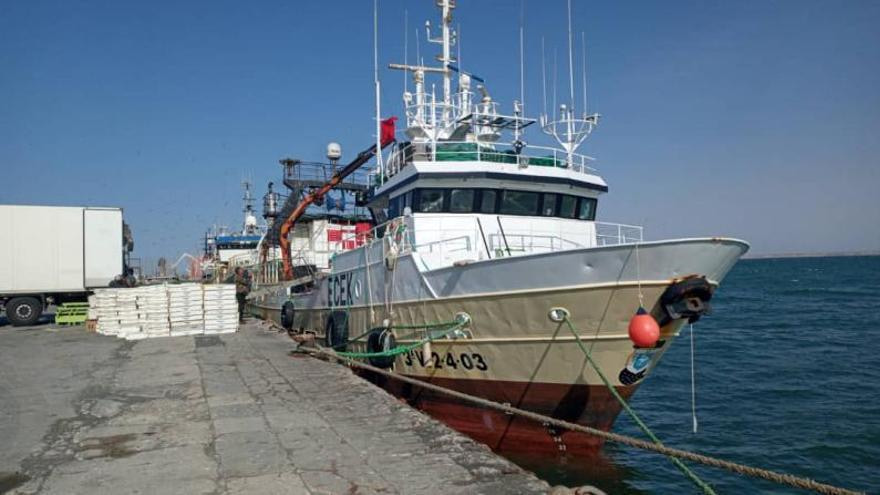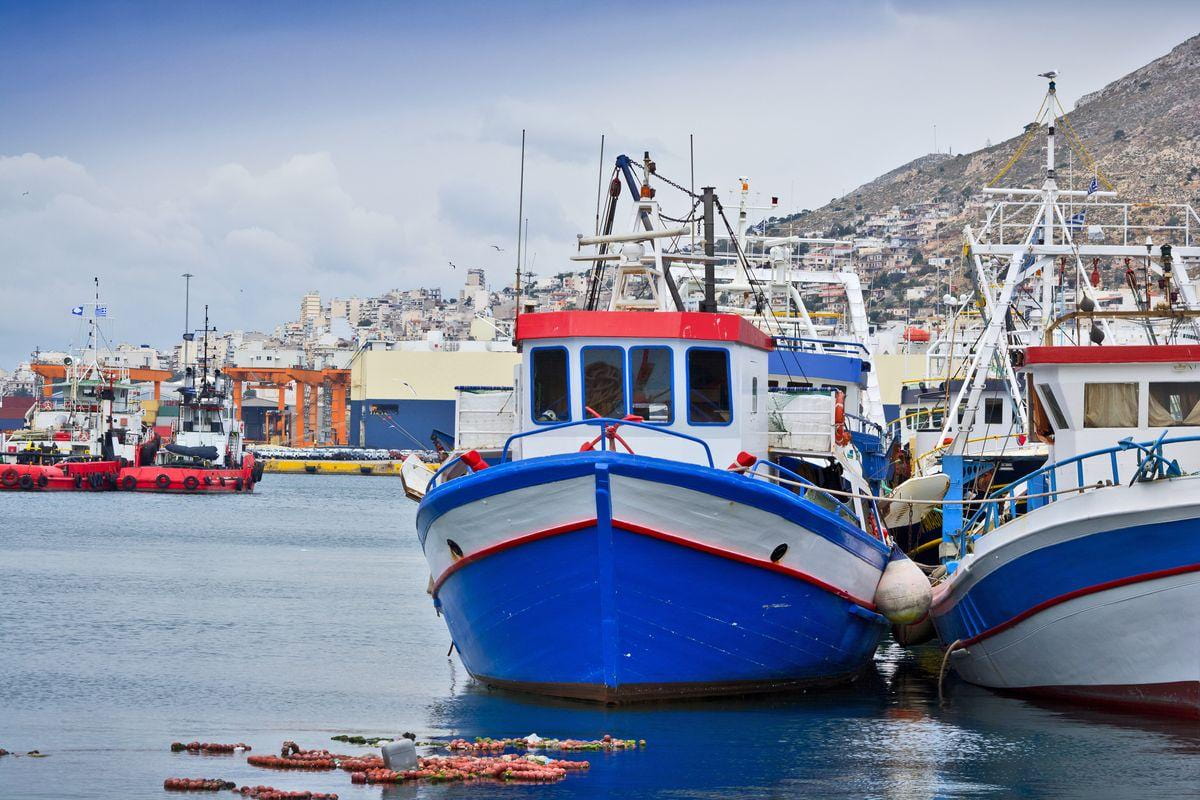
Piraeus: Greek fisheries fuel aid worth €10.5 million won European Commission approval on 25 November 2026, giving coastal fishers and aquaculture operators direct grants to offset the jump in fuel prices linked to the Middle East crisis. The Commission cleared the Greek scheme under its state aid rules and the temporary framework it adopted earlier in the year.
The Greek fisheries fuel aid targets small and micro-sized companies active in the primary production of fishery and aquaculture products. Owners of professional coastal and inland fishing vessels can apply, and so can operators of ships that service aquaculture facilities. These boats run on diesel margins so thin that a sustained price spike can keep them tied up in port.
The Greek fisheries fuel aid arrives as direct grants calculated on the volume of fuel each beneficiary bought between April and October 2026. Each company can receive up to €50,000. Greece must pay out the support before the scheme expires on 31 December 2026, which leaves national authorities about five weeks to process applications.
The Commission assessed the measure under the Middle East Crisis Temporary State Aid Framework, known as METSAF, which it adopted on 29 April 2026. It also examined the scheme under Article 107(3)(c) of the Treaty on the Functioning of the European Union, which allows aid that facilitates the development of certain economic activities without distorting trade against the common interest. The Commission concluded that the Greek fisheries fuel aid is necessary, appropriate and proportionate.
Fuel is the single largest variable cost for most small-scale fleets, and the Greek fleet ranks among the largest in the EU by vessel numbers, dominated by small boats working island and coastal waters. When fuel bills rise, these operators cannot pass the cost on to buyers at auction, so margins collapse first in the smallest family businesses. The grant design, tied to actual purchases, aims to send money where consumption and losses were highest.
The approval also sits within a broader pattern. Since April, the Commission has cleared a series of national schemes under METSAF for farmers, hauliers and energy-intensive firms, and fisheries ministers have pressed for faster relief for coastal communities. Critics argue that temporary fuel subsidies delay the shift to cleaner engines, while supporters say a fleet that goes bankrupt cannot invest in anything.
The Commission will publish a non-confidential version of the decision in its state aid register under case number SA.125253 once confidentiality issues are resolved. That text should show how Athens plans to run the Greek fisheries fuel aid, verify fuel receipts and prevent overlap with support from the European Maritime, Fisheries and Aquaculture Fund.
For the ports of Attica, Crete and the Aegean islands, the Greek fisheries fuel aid offers short relief before winter rather than a structural fix. The real test in 2027 will be whether fuel costs ease and whether Greece uses its fisheries fund to help small operators cut consumption for good.